 rifanmuazin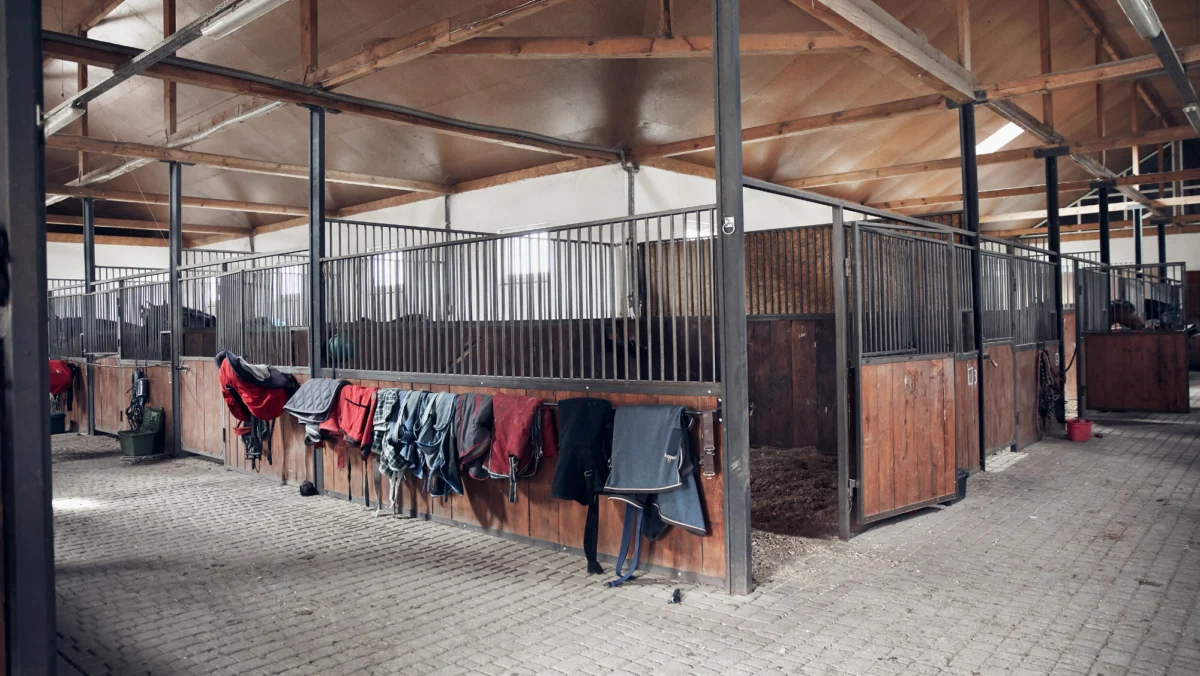
Operating an equestrian yard, whether as a full-scale livery service provider or simply by keeping horses other than your own on your property, presents a unique array of risks that necessitate robust and specialised insurance coverage. The inherent nature of working with large animals, coupled with the responsibilities of property management, staff oversight, and client interaction, creates a complex liability landscape where an oversight can lead to significant financial and reputational repercussions. It is crucial for yard owners, managers, and those leasing land for equestrian purposes to meticulously assess their existing insurance provisions, ensuring they are not only adequate but precisely tailored to the specific operational demands and legal obligations of their enterprise.
The Evolving Landscape of Equestrian Business Risk
The equestrian industry in the United Kingdom is a substantial economic contributor, estimated to be worth billions of pounds annually, supporting tens of thousands of jobs, and involving millions of participants. From professional competition yards and riding schools to private livery establishments and small holdings offering DIY services, the sector is diverse. This diversity, however, brings with it a spectrum of potential hazards. Horses, by their very nature, are powerful and unpredictable animals, and even the most well-behaved equines can cause injury or damage unintentionally. This fundamental truth underscores the pervasive risk factor in any equestrian environment.
Historically, insurance for such operations might have been covered by more generic farm or property policies. However, as the industry has professionalised and legal expectations regarding duty of care and health and safety have intensified, generic policies are increasingly proving insufficient. Modern equestrian businesses require a nuanced approach to risk management, with specialist insurance forming the bedrock of financial protection. Without it, a single incident—be it an injury to a client, a visitor, an employee, or even a horse in your care—could expose the yard owner to claims of negligence, leading to substantial legal fees, compensation payouts, and potentially, the collapse of the business.
Legal Framework and the Imperative of Duty of Care
Under UK law, property owners and business operators owe a duty of care to individuals on their premises. This principle is enshrined in statutes such as the Occupiers’ Liability Acts of 1957 and 1984, which dictate the duty owed to lawful visitors and trespassers respectively. For equestrian yards, this duty is amplified by the presence of animals and specific activities. Furthermore, the Animals Act 1971 places strict liability on keepers of animals for damage caused by them, particularly if the species is not commonly domesticated in the British Isles or if the animal has dangerous characteristics not normally found in its species. While horses are domesticated, the Act still carries implications, especially regarding known dangerous propensities.
Beyond visitor safety, the Health and Safety at Work etc. Act 1974 imposes a statutory duty on employers to ensure, so far as is reasonably practicable, the health, safety, and welfare of their employees. This extends to providing safe systems of work, a safe working environment, and adequate training and supervision. The implications for yard owners employing staff, even casually or on a voluntary basis, are profound, requiring meticulous adherence to safety protocols and, crucially, compulsory Employers’ Liability insurance. Failure to comply can result in severe fines and imprisonment, alongside civil claims for damages.
The evolution of these legal duties and the increasing litigiousness of society have been a driving force behind the development of highly specialised insurance products for the equestrian sector. Insurers, recognising the unique risk profiles, have crafted policies designed to address the specific vulnerabilities faced by yard owners, moving beyond the ‘one-size-fits-all’ approach.
Key Components of Specialist Yard Insurance
A comprehensive specialist yard insurance policy typically encompasses several core areas of cover, each designed to mitigate distinct risks. Understanding these components is paramount for any yard owner seeking adequate protection.
1. Public Liability Insurance:
This is arguably the most fundamental cover for any business, and particularly critical for equestrian yards. Public liability insurance protects the policyholder against claims of negligence made by third parties, such as clients, visitors, or members of the public, for personal injury or property damage arising from the operation of the yard.
- Scenarios Covered: A client falling and breaking a limb due to an uneven stable yard surface; a visiting farrier sustaining an injury from a horse; a horse escaping the premises and causing a road accident or damaging a neighbour’s property.
- Duty of Care: Yard owners have a legal duty to take reasonable steps to prevent injury or damage. Public liability insurance provides financial protection to cover legal defence costs and any compensation awarded if a breach of this duty is proven. Given the potential for serious injuries involving horses, compensation claims can run into hundreds of thousands or even millions of pounds, making adequate cover levels (typically £5 million or £10 million) essential.
2. Care, Custody, and Control (CCC) Insurance:
This is a specific extension vital for any yard that takes in horses belonging to third parties for livery, training, or schooling. It protects the yard owner if a third-party horse is injured, becomes ill, or dies whilst in their care, custody, or control, and where the yard owner is found to be negligent.
- Distinction from Public Liability: While public liability covers injury caused by a horse to a third party, CCC covers injury to a third-party horse. This is a critical distinction often overlooked.
- Scenarios Covered: A livery horse sustaining an injury in a stable due to inadequate maintenance by the yard; a horse falling ill due to incorrect feeding practices; a horse being injured during a training session where negligence can be demonstrated.
- Importance: Without CCC, a yard owner could be personally liable for the market value of the horse and associated veterinary costs if found negligent, potentially leading to devastating financial losses.
3. Employers’ Liability Insurance:
A statutory requirement in the UK for almost all businesses with employees, this cover protects the employer against claims made by employees who suffer injury or illness as a result of their work.
- Broad Definition of ‘Employee’: The law defines an employee broadly, encompassing not just paid staff on contracts but also part-time workers, temporary staff, apprentices, work experience students, and even unpaid volunteers or friends "helping out" at weekends. Any individual working under your direction or supervision, regardless of payment, could be considered an employee for the purposes of this legislation.
- Penalties for Non-Compliance: The Health and Safety Executive (HSE) can issue fines of up to £2,500 for every day an employer does not have valid Employers’ Liability insurance. Claims from injured employees can be substantial, covering loss of earnings, medical expenses, and pain and suffering.
4. Property Damage Insurance:
This cover protects the physical assets of the yard against unforeseen events. It typically includes buildings, contents, and stock.
- Buildings: Stables, barns, indoor arenas, tack rooms, offices, accommodation, and other outbuildings. Cover extends to damage from perils such as fire, flood, storm, lightning, impact by vehicles/animals, subsidence, and malicious damage.
- Contents and Stock: Tack, feed, bedding, machinery (tractors, mowers), tools, office equipment, and other items essential to the yard’s operation. The sum insured should reflect the full replacement cost of these items.
- Specific Considerations: For equestrian properties, the risk of fire (especially in barns storing hay/straw) and storm damage (to large structures like arenas) is particularly high, necessitating careful assessment of rebuild costs and contents values.
5. Business Interruption Insurance:
This crucial cover protects the yard’s income stream following an insured property damage event that prevents the business from operating as usual.
- Purpose: If a fire destroys the stables or a flood renders the arena unusable, business interruption insurance steps in to cover lost revenue, ongoing fixed costs (e.g., staff wages, loan repayments), and extra expenses incurred (e.g., temporary stable hire) while the property is being repaired or rebuilt.
- Period of Indemnity: It’s vital to select an adequate "period of indemnity" (e.g., 12, 18, or 24 months) to ensure sufficient time for recovery, as rebuilding large equestrian facilities can take considerable time.
6. Tack and Equipment Insurance:
While sometimes included within property damage, specialised tack and equipment cover often comes with specific stipulations.
- Insurable Interest: Crucially, the policyholder must have an insurable interest in the items. This means a yard owner can typically only insure their own tack and equipment. Client-owned tack stored on the premises would generally need to be covered by the client’s own horse insurance policy.
- Security Requirements: Due to the high value and portability of equestrian tack, insurers almost invariably impose stringent security requirements as a condition of cover. These might include:
- Reinforced, locked tack rooms with solid doors and frames.
- High-security locks (e.g., 5-lever deadlocks, padlocks of a specific security rating).
- Window bars or grilles.
- Alarm systems (monitored or unmonitored).
- CCTV surveillance.
- Engraving or microchipping of valuable items.
- The absence of such measures could invalidate a claim. Yard owners must consult their insurance provider to confirm exact requirements.
7. Other Important Considerations:
- Legal Expenses Insurance: Often an optional add-on, this covers the legal costs of defending certain claims not covered by other liability sections (e.g., contract disputes, tax investigations, employment tribunals).
- Personal Accident for Proprietors: For self-employed yard owners, this provides a benefit if they suffer an accidental injury that prevents them from working.
- Loss of Licence: Essential for riding schools, this covers financial loss if the local authority licence to operate is withdrawn or suspended due to unforeseen circumstances.
- Vehicle Insurance: Horseboxes, trailers, and farm vehicles used for business purposes require appropriate commercial vehicle insurance.
The Importance of Risk Management and Documentation
Insurance is a critical safety net, but it works in conjunction with robust risk management practices. Insurers expect yard owners to demonstrate proactive efforts to minimise risks. This includes:
- Regular Risk Assessments: Identifying potential hazards (e.g., uneven surfaces, faulty gates, fire risks, aggressive horses) and implementing measures to control them. These should be documented and reviewed periodically.
- Health and Safety Policies: Clear, written policies outlining procedures for safe working practices, emergency protocols, and equipment use.
- Fire Safety Plans: Detailed plans for fire prevention, detection (smoke alarms), evacuation routes, and staff training on fire extinguishers. Regular checks of electrical systems and storage of flammable materials are crucial.
- Staff Training Records: Maintaining records of all training provided to employees and volunteers, particularly regarding horse handling, machinery operation, and emergency procedures.
- Accident Reporting: A clear system for recording all accidents and near misses, which can help identify recurring issues and improve safety.
- Compliance with Legislation: Ensuring all aspects of the yard operation comply with relevant legislation (e.g., animal welfare, waste disposal, environmental regulations).
These documents are not merely bureaucratic exercises; they are vital tools for demonstrating due diligence and can significantly strengthen a yard owner’s position in the event of a claim. Insurers will often require evidence of such practices when assessing claims, and non-compliance can lead to policies being invalidated or claims being reduced.
Expert Insights and Broader Implications
Industry experts consistently highlight that under-insurance or relying on inadequate, generic policies is one of the biggest risks facing equestrian businesses. A spokesperson from a leading equestrian insurance broker recently stated, "The unique environment of a livery yard means that standard commercial policies simply won’t cut it. The interplay of animal welfare, human safety, property management, and contractual liabilities demands a highly specialised approach. Many yard owners only realise the gaps in their cover when it’s too late, after a significant incident has occurred."
The financial implications of a major claim can be catastrophic. Beyond the immediate costs of legal defence and compensation, there’s the potential damage to a yard’s reputation, which can be difficult to recover from. In an increasingly interconnected world, negative incidents can spread rapidly through social media, impacting client trust and future business prospects. Proper insurance provides not just financial security, but also peace of mind, allowing yard owners to focus on running their business with confidence.
Furthermore, the legal landscape is dynamic. Regulations can change, and judicial interpretations of negligence can evolve. Working with a specialist insurance broker ensures that policies remain up-to-date and compliant with the latest legal requirements, offering ongoing protection.
Conclusion: Securing Your Equestrian Future
Owning or operating an equestrian yard is a rewarding endeavour, but it is also one fraught with inherent risks and significant legal responsibilities. The complexity of managing horses, premises, staff, and clients necessitates a robust and tailored insurance strategy. Generic policies are unlikely to provide the specific protections required, leaving yard owners vulnerable to substantial financial liabilities.
A thorough review of insurance needs, encompassing public liability, care, custody and control, employers’ liability, property damage, business interruption, and appropriate tack and equipment cover, is not merely a recommendation but a fundamental business imperative. This process should be supported by diligent risk management practices, including regular assessments, comprehensive safety policies, and meticulous record-keeping.
Every yard is unique, and a one-size-fits-all insurance policy may leave critical gaps in cover. Engaging with a specialist insurance provider, whose team understands the intricacies of running an equestrian business, is key to obtaining a policy that truly reflects the specific range of services offered and the individual risk profile of the yard. This proactive approach ensures that the yard, its owners, and its future are adequately protected against the unforeseen challenges that can arise in the dynamic world of equestrianism.
To assist yard owners in navigating this complex area, SEIB offers a free checklist to review key areas of cover. For a tailored yard insurance quote and expert advice, contact SEIB at 01708 850 000 or email [email protected].
SEIB Insurance Brokers is a trading name of SEIB Insurance Brokers Limited who are authorised and regulated by the Financial Conduct Authority. Registration number: 479477. VAT registration number: 447 7248 00.