 rifanmuazin
The equestrian world, a domain often celebrated for its profound connection between human and horse, its rigorous discipline, and the camaraderie forged through shared passion, grapples with an underlying current of pervasive negativity. This phenomenon, frequently described through the colloquial lens of "mean girl" behavior, manifests across all facets of the sport – from the quiet corners of local barns and the bustling sidelines of horse shows to the sprawling, often anonymous, landscape of online forums and social media comment sections. Even in 2026, the issue remains a significant challenge, undermining the very spirit of sportsmanship and community that should define equestrian pursuits.
Understanding the Scope of the Issue
The archetypal "mean girl" in equestrian sport is not confined to a single demographic. This behavior transcends age, discipline, and even active participation. Individuals exhibiting such tendencies can range from teenagers navigating the complex social hierarchies of youth competitions to seasoned adult riders, and even those who no longer actively ride but maintain a presence within equestrian social circles. Their actions, whether subtle slights, overt criticisms, or calculated exclusions, contribute to a culture that can be unwelcoming, demoralizing, and ultimately detrimental to the sport’s growth and well-being. The ubiquity of this behavior suggests a deeply ingrained social dynamic rather than isolated incidents.
A Brief Chronology: The Evolution of Equestrian Social Dynamics
The undercurrent of social friction in equestrianism is not entirely new, but its expression and impact have evolved significantly with societal and technological shifts.
- Pre-Digital Era (Pre-2000s): In earlier times, negative social dynamics were largely confined to physical spaces. Gossip and criticism spread through word-of-mouth within barns, at showgrounds, or during clinics. While impactful, the reach was limited, and the potential for direct confrontation or resolution was often higher due to the immediate proximity of individuals.
- Early Internet & Forums (2000s-Early 2010s): The advent of the internet introduced new avenues for communication and, inadvertently, for anonymous or semi-anonymous criticism. Equestrian forums became platforms where individuals could voice opinions, sometimes harshly, without immediate accountability. This marked the beginning of "keyboard warrior" behavior, extending the reach of negativity beyond local communities.
- The Social Media Explosion (Mid-2010s-Present): The proliferation of social media platforms (Facebook, Instagram, TikTok, etc.) fundamentally transformed how equestrian communities interact and, consequently, how negative behaviors manifest. The ease of sharing content, commenting, and forming digital cliques amplified the issue. Public posts and private group chats became fertile ground for "creep-shaming," "nitpicking," and the spread of hurtful words, often devoid of context or understanding of the real-world situations depicted. The rapid dissemination of information, coupled with the potential for viral shaming, intensified the psychological impact on individuals.
- The 2026 Landscape: As observed in the contemporary context of 2026, despite increased awareness of online bullying and mental health, these negative social patterns persist. The digital sphere continues to offer a shield of perceived anonymity, enabling behaviors that might be socially unacceptable in face-to-face interactions. This underscores the need for continued vigilance and proactive strategies to foster more positive and supportive environments.
The Underlying Factors Contributing to Negative Dynamics
Several unique aspects of equestrian sport may contribute to these challenging social dynamics:
- High Stakes and Financial Investment: Equestrianism is often an expensive sport, involving significant financial and emotional investment in horses, training, and equipment. This can create an environment of intense pressure, competition, and judgment, where riders may feel compelled to critique others as a way of validating their own choices or perceived superiority.
- Close-Knit Communities: Barns often function as micro-societies where individuals spend considerable time together, sharing facilities and experiences. While fostering deep bonds, this proximity can also lead to heightened social tensions, rivalries, and the formation of exclusive cliques.
- Public Performance and Visibility: Horse shows and competitions are public spectacles. Riders are constantly under scrutiny, not just from judges but also from peers and spectators. In the age of social media, even daily training sessions can be recorded and shared, opening individuals up to a wider audience for commentary and criticism.
- Culture of Perfectionism: Equestrian sport demands a high degree of precision, skill, and dedication. This pursuit of perfection can inadvertently foster a critical mindset, where riders are quick to identify perceived flaws in others, sometimes as a projection of their own insecurities.
- Emotional Attachment to Animals: The deep emotional bond with horses can intensify reactions. Criticism directed at a rider can often feel like an attack on their horse or their horsemanship, leading to defensive or retaliatory behaviors.
The Detrimental Impact of Negative Behaviors
The consequences of pervasive "mean girl" behaviors extend beyond individual hurt feelings, impacting the entire equestrian ecosystem:
- Psychological Distress: Individuals subjected to bullying, exclusion, or constant criticism often experience increased stress, anxiety, diminished self-confidence, and a loss of enjoyment in their sport. This can have long-lasting effects on mental well-being.
- Reduced Participation and Retention: A toxic environment can deter new participants from entering the sport and drive existing riders, particularly youth, to leave. This has long-term implications for the growth and sustainability of equestrian disciplines.
- Erosion of Community and Trust: When negativity becomes commonplace, it erodes trust and camaraderie within barns and broader communities. Instead of a supportive network, individuals may feel isolated or constantly on guard.
- Damage to the Sport’s Reputation: The perception of a hostile or exclusive environment can damage the public image of equestrian sport, making it seem less accessible or appealing to potential newcomers or sponsors.
- Stifled Learning and Growth: Fear of judgment can make riders hesitant to ask questions, try new techniques, or admit to struggles, thereby hindering their personal and equestrian development. As observed by Heels Down, knowledge is power, and a climate of fear suppresses the pursuit of knowledge.
Statements and Reactions from Related Parties (Inferred)
While no specific "anti-mean girl" manifestos are typically issued by major equestrian organizations, the principles of sportsmanship, ethical conduct, and respect are consistently promoted.
- Governing Bodies (e.g., FEI, national federations): Organizations like the Fédération Équestre Internationale (FEI) and national federations (e.g., USEF, British Equestrian) regularly publish codes of conduct, emphasize fair play, and promote respect for competitors, officials, and animals. While these codes primarily address competition conduct, their underlying ethos extends to general social interactions within the sport. They would likely condemn any behavior that undermines the integrity or positive spirit of equestrianism, advocating for inclusive and supportive environments.
- Equestrian Media & Advocacy Groups: Publications like Heels Down Magazine actively address these issues, advocating for a shift in culture towards empathy, understanding, and personal growth. They often highlight the importance of education as a antidote to judgment.
- Barn Owners and Trainers: Many barn owners and trainers actively work to cultivate positive barn cultures, often setting ground rules for respectful interaction and mediating disputes. They understand that a harmonious environment is crucial for rider development and client retention. They would emphasize the importance of professionalism and mutual respect.
- Psychological Studies: Broader psychological research on group dynamics and online behavior consistently supports the notion that environments lacking clear boundaries and accountability tend to foster negative interactions. Studies indicate that fostering empathy and critical thinking skills are key in mitigating such issues.
Strategies for Cultivating a Positive Equestrian Environment
Addressing the "mean girl" phenomenon requires a multi-faceted approach, emphasizing education, accountability, and a proactive commitment to positive culture building.
- Prioritizing Knowledge and Empathy: The original article wisely suggests that "knowledge is power, and with knowledge comes understanding and empathy." Encouraging riders to read published articles, books, or take additional lessons not only enhances their skills but also broadens their perspective, fostering a deeper understanding of horsemanship and the varied journeys of others. This intellectual engagement can counteract superficial judgments.
- Promoting Digital Citizenship: Education on responsible online behavior is crucial. This includes understanding the impact of comments, verifying information before sharing, and refraining from engaging in "keyboard warrior" tactics. Platforms could implement clearer reporting mechanisms for cyberbullying.
- Fostering Inclusive Barn Cultures: Barn owners and trainers play a pivotal role in setting the tone. This involves establishing clear codes of conduct, promoting mentorship between experienced and less experienced riders, organizing inclusive social events, and swiftly addressing any instances of bullying or exclusion.
- Encouraging Personal Accountability: Individuals must be empowered and encouraged to reflect on their own behavior. The concept of an "accountability buddy," as suggested, can provide a supportive mechanism for self-correction and mutual encouragement.
- Leading by Example: Experienced riders, trainers, and respected figures within the equestrian community have a responsibility to model positive behavior, sportsmanship, and respect. Their influence can significantly shape the culture for newer participants.
Specific Manifestations of Negative Behavior and Their Implications
To actively combat these behaviors, it’s essential to recognize their specific forms and understand their impact:
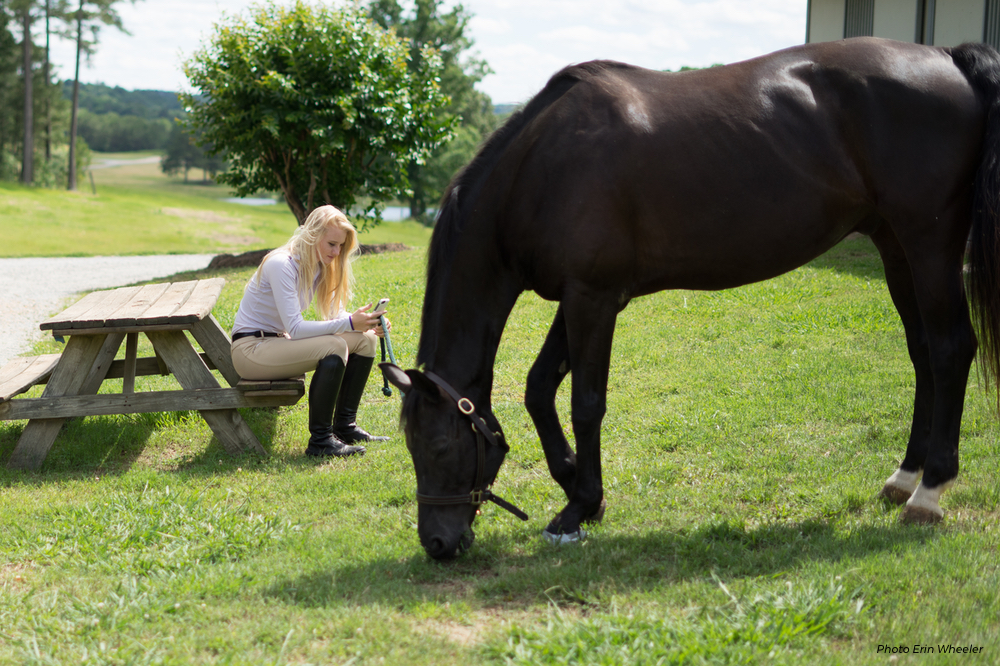
- Covert Criticism and Gossip: The act of observing someone riding and immediately texting others to "nitpick" is a prime example of covert criticism. Implication: This behavior creates an atmosphere of paranoia and mistrust, making riders feel constantly judged and self-conscious, hindering their ability to learn and enjoy their time in the saddle. It undermines the potential for constructive peer feedback.
- Deliberate Exclusion: Intentionally ignoring a fellow barn mate’s text message asking a question, or excluding others from social groups on messaging apps or social media, constitutes deliberate exclusion. Implication: This fosters feelings of isolation and unworthiness, breaking down the social fabric of the barn community and preventing the free exchange of knowledge and support.
- Disregard for Assistance and Retaliation: When someone offers advice or assistance during a struggle, ignoring them and subsequently chastising them among others for their approach is deeply problematic. Implication: This creates a hostile environment where helpfulness is punished, discouraging genuine support and perpetuating a cycle of negativity. It stifles the natural instinct to help and be helped.
- Lack of Basic Courtesy in Communal Spaces: The inability to be nice to others in shared areas like the tack room or wash rack, or neglecting to clean up after oneself, demonstrates a fundamental lack of respect. Implication: This contributes to an unpleasant and inefficient environment for everyone, creating friction and resentment over shared resources and responsibilities.
- Misuse and Neglect of Shared Equipment: Borrowing equipment or tack and returning it dirty, sweaty, or damaged signifies a disregard for others’ property and the principle of shared resources. Implication: This behavior breeds frustration and erodes trust, making individuals less likely to lend equipment in the future, thereby hindering communal support.
- Failure to Maintain Communal Areas: Consistently neglecting to clean up a communal space after use (e.g., sweeping up hair, cleaning up manure, hosing down the wash rack) shows a lack of consideration for the collective. Implication: This places an unfair burden on others and reinforces a sense of entitlement, leading to resentment and a generally untidy, unhygienic environment.
- Disregard for Arena Etiquette and Safety: Refusing to adjust one’s ride or expectations when another rider on a green or unsettled horse requires a moment of grace in a shared arena is a significant safety and respect issue. Implication: This dangerous behavior can lead to accidents, create a stressful and unsafe riding environment, and demonstrates a profound lack of empathy for fellow riders and their horses.
- Superficial and Appearance-Based Judgment: Consistently making sour comments about someone else’s choice in breeches, boots, or color coordination highlights a superficial focus. Implication: This trivializes the sport, creating an environment where individuals feel judged on their appearance rather than their horsemanship, potentially leading to body image issues and a sense of inadequacy.
Conclusion
The pervasive nature of negative social dynamics, colloquially termed "mean girl" behavior, within equestrian sport in 2026 demands collective attention and proactive intervention. From the digital realm to the physical barn, these actions undermine the core values of sportsmanship, community, and mutual respect. By fostering a culture of knowledge, empathy, and accountability, and by actively challenging and rectifying specific negative behaviors, the equestrian community can cultivate more supportive, inclusive, and ultimately more enjoyable environments for all participants. The responsibility rests with every individual to choose kindness, understanding, and constructive engagement over criticism and exclusion, ensuring the future of equestrian sport is one of genuine camaraderie and shared passion.