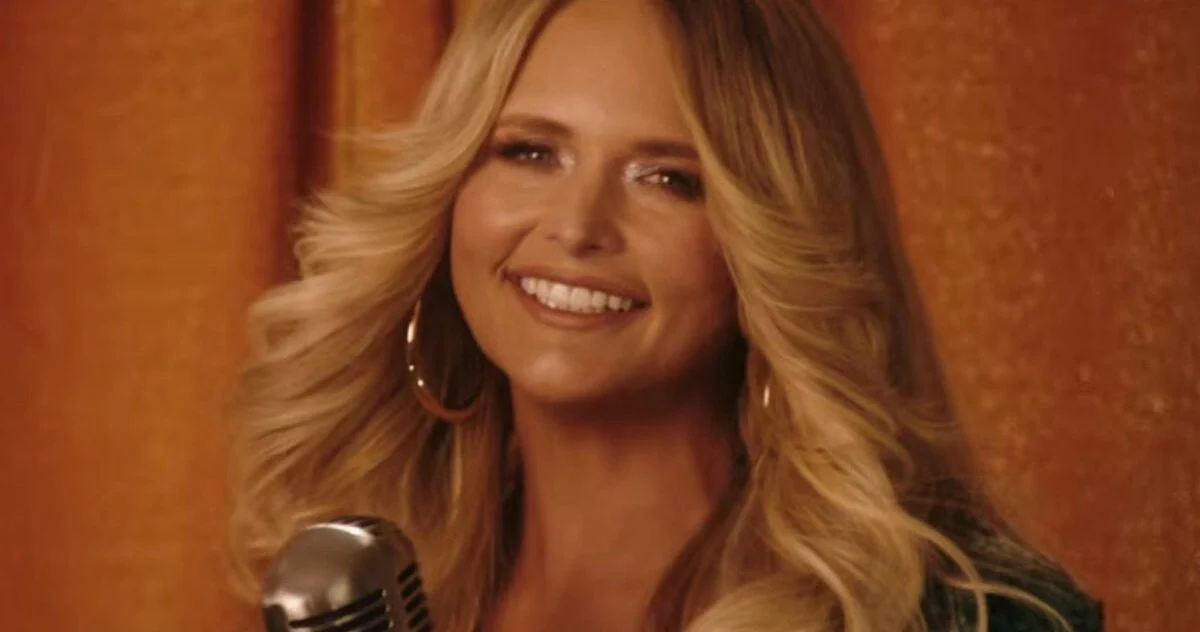
Miranda Lambert, one of the most decorated artists in the history of country music, has officially released her latest studio project, Crisco, marking a significant stylistic pivot and a new chapter in her professional trajectory. Co-produced by Lambert alongside acclaimed producer Jesse Frasure, the 12-track record serves as the artist’s debut under the MCA Nashville banner, following a long-standing and highly successful tenure with Sony Music Nashville. The album is described as a sophisticated exploration of “heartbreak and hope, highways and honky-tonks, rhinestones and reflection,” aiming to bridge the gap between timeless country traditions and a contemporary, “refreshingly alive” sonic palette. This release signals Lambert’s intention to delve into the "country disco" aesthetic, a subgenre that flourished in the late 1970s, blending the narrative depth of rural storytelling with the rhythmic, upbeat energy of the disco era.
A Strategic Shift in Artistic Direction and Label Representation
The release of Crisco is not merely a musical update but a structural milestone for Lambert. After two decades of dominance in the country industry, including a record-breaking number of Academy of Country Music (ACM) Awards, Lambert’s move to MCA Nashville represents a calculated effort to refresh her brand. MCA, a subsidiary of Universal Music Group Nashville, has historically been the home of country legends such as George Strait and Reba McEntire. By joining this roster, Lambert aligns herself with a legacy of artists who have successfully navigated the transition from contemporary hitmakers to enduring icons.
In statements regarding the album’s development, Lambert emphasized her desire to embrace the full spectrum of the genre. "I’ve always loved every corner of country music," she noted, highlighting that the project allowed her to merge the somber "heartbreak songs" with "the songs that make you dance." The collaboration with Jesse Frasure is particularly noteworthy; Frasure is known for his ability to blend traditional country elements with modern rhythmic sensibilities, having worked extensively with artists like Thomas Rhett and Florida Georgia Line. This partnership was instrumental in achieving the "country disco" sound that defines much of the record.
The Influence of the 1970s and the Golden Era of Country-Pop
The thematic and sonic backbone of Crisco is rooted in the late 1960s and 1970s, a period when country music began to integrate more polished production techniques and crossover appeal. Lambert cited an archive of influences that includes Patsy Cline, Tammy Wynette, and Glen Campbell. Specifically, she pointed to the era when Kenny Rogers and Dolly Parton dominated the airwaves, often blending country lyricism with soft rock and disco arrangements.
According to Lambert, the project was born out of conversations with her creative team—including the production duo Telemitry—regarding the "incredible archive" of country music. The goal was to explore a side of the genre that Lambert had previously touched upon but never fully inhabited. The result is a collection that manages to feel vintage and nostalgic while maintaining a current relevance. This "vintage-modern" approach is a hallmark of Lambert’s recent work, though Crisco leans more heavily into the rhythmic "honky-tonk dance" vibe than her previous, more acoustic-leaning projects like The Marfa Tapes.
A Deep Dive into the Jim Croce Cover: I’ll Have to Say I Love You in a Song
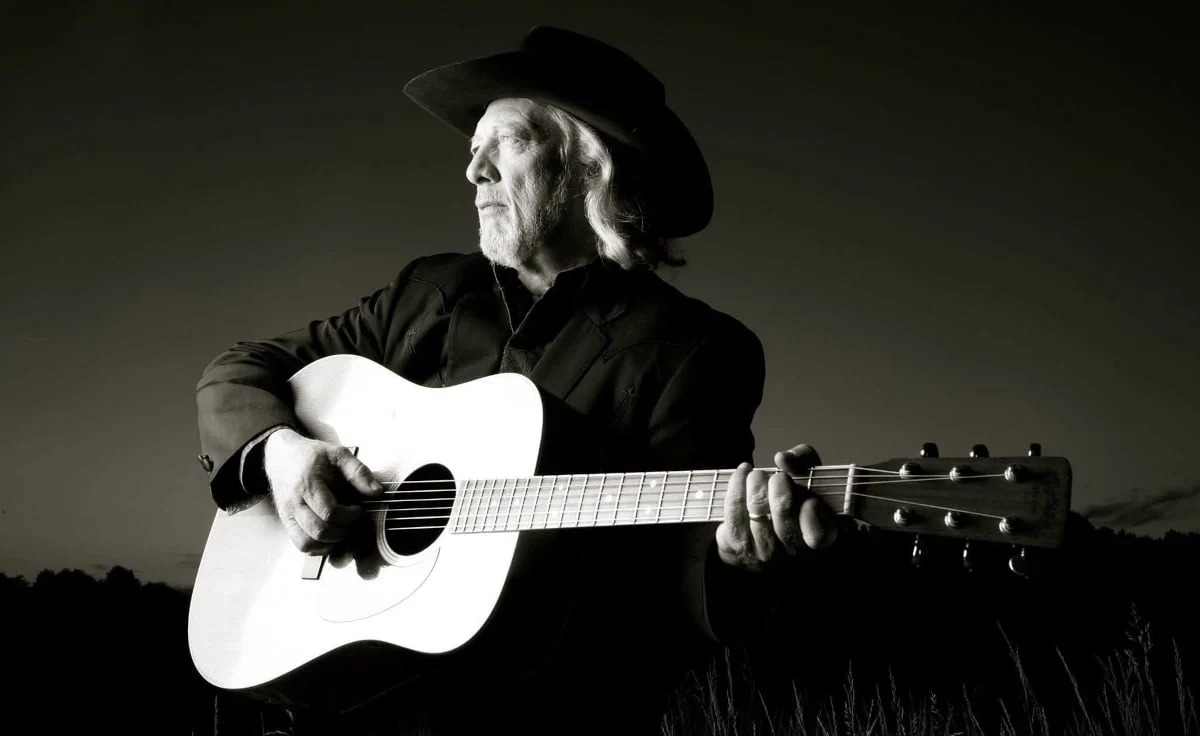
A centerpiece of the album is Lambert’s rendition of "I’ll Have to Say I Love You in a Song," originally written and performed by the late Jim Croce. The inclusion of this track is a deliberate nod to the 1970s singer-songwriter era that heavily influenced the "country disco" movement.
The history of the song provides significant emotional weight to Lambert’s cover. Jim Croce wrote the track for his 1973 album, I Got a Name. The song’s origins are famously rooted in a domestic moment; after a disagreement with his wife, Ingrid, Croce found himself unable to express his feelings verbally and instead wrote the lyrics as a musical apology. Tragically, Croce died in a plane crash in Natchitoches, Louisiana, on September 20, 1973, just as the song was gaining traction. It was released as a single posthumously in early 1974, eventually peaking at number nine on the Billboard Hot 100.
While Croce was primarily categorized as a folk and soft rock artist, Lambert’s interpretation utilizes her signature Texas twang and traditional country instrumentation to reclaim the song for the country genre. Critics and early listeners have noted that the song fits seamlessly into Lambert’s catalog, despite being over 50 years old. The production on the track balances the delicate vulnerability of the original with a modern clarity, showcasing Lambert’s vocal range and her ability to interpret classic songwriting through a contemporary lens.
Collaborative Efforts and Tracklist Analysis
Crisco features several high-profile collaborations that highlight Lambert’s standing within the industry and her commitment to supporting rising talent. The opening track, "Snakeskin Boots," features Ella Langley, a rising star in the country-rock scene. This duet sets the tone for the album, combining grit with the "rhinestone" polish mentioned in the album’s promotional materials.
Another significant collaboration is "A Song To Sing," which features the powerhouse vocals of Chris Stapleton. The pairing of Lambert and Stapleton is a highly anticipated event for country fans, as both artists are known for their authentic, soul-infused approaches to the genre. The tracklist as a whole reflects a balanced narrative arc:
- Snakeskin Boots (feat. Ella Langley)
- Crisco
- Cowgirl Curtsy
- Two Things Can Be True
- Cuttin’ Onions
- Till The Going’s Gone
- To Everything
- Whiskey Business
- Right Where We Left It
- A Song To Sing (with Chris Stapleton)
- I’ll Have To Say I Love You In A Song
- Sunset Marquis
The titles suggest a mix of classic country tropes—liquor, heartbreak, and resilience—with more whimsical, dance-oriented themes found in tracks like "Cowgirl Curtsy" and the title track, "Crisco."
Historical Context and Career Evolution
To understand the impact of Crisco, one must look at Lambert’s evolution over the past two decades. Since her debut with Kerosene in 2005, Lambert has consistently challenged the boundaries of mainstream country. She moved from the "revenge-country" anthems of her early career to the introspective, critically acclaimed double album The Weight of These Wings (2016), and later to the Grammy-winning Wildcard (2019).
Her most recent solo studio effort before Crisco was Palomino (2022), which was a travelogue-style concept album. Crisco appears to be a natural progression from the adventurous spirit of Palomino, but with a more focused aesthetic centered on the "country disco" concept. By revisiting the 1970s, Lambert is tapping into a broader cultural trend of "New Nostalgia," where artists across genres are reviving the sounds of the disco and funk eras to provide an upbeat escape for modern audiences.
Industry Implications and Future Outlook
The release of Crisco under MCA Nashville is expected to have a significant impact on the country music charts and the upcoming awards season. Lambert’s ability to reinvent herself while maintaining her core identity as a "Texas native" with "pure country heart" is a rare feat in the industry.
Industry analysts suggest that the "country disco" angle may help Lambert expand her reach into international markets and non-traditional country playlists, similar to how artists like Kacey Musgraves have utilized pop and disco elements to achieve crossover success. However, Lambert’s insistence on keeping the "honky-tonk" and "twang" at the forefront ensures that she remains firmly rooted in the genre that built her career.
The cover of "I’ll Have to Say I Love You in a Song" is particularly poised for success on adult contemporary and classic country radio, serving as a bridge between generations of listeners. By honoring the legacy of Jim Croce while introducing his work to a new audience, Lambert reinforces the idea that great songwriting transcends genre and time.
As Lambert embarks on this "country disco journey," the initial reception to Crisco suggests that her instincts remain sharp. The album manages to satisfy the demand for "fun, upbeat kinds of songs" while providing the emotional depth that has defined her two-decade-long career. With the backing of a new label and a clear creative vision, Miranda Lambert continues to solidify her position as a central figure in the modern country landscape.