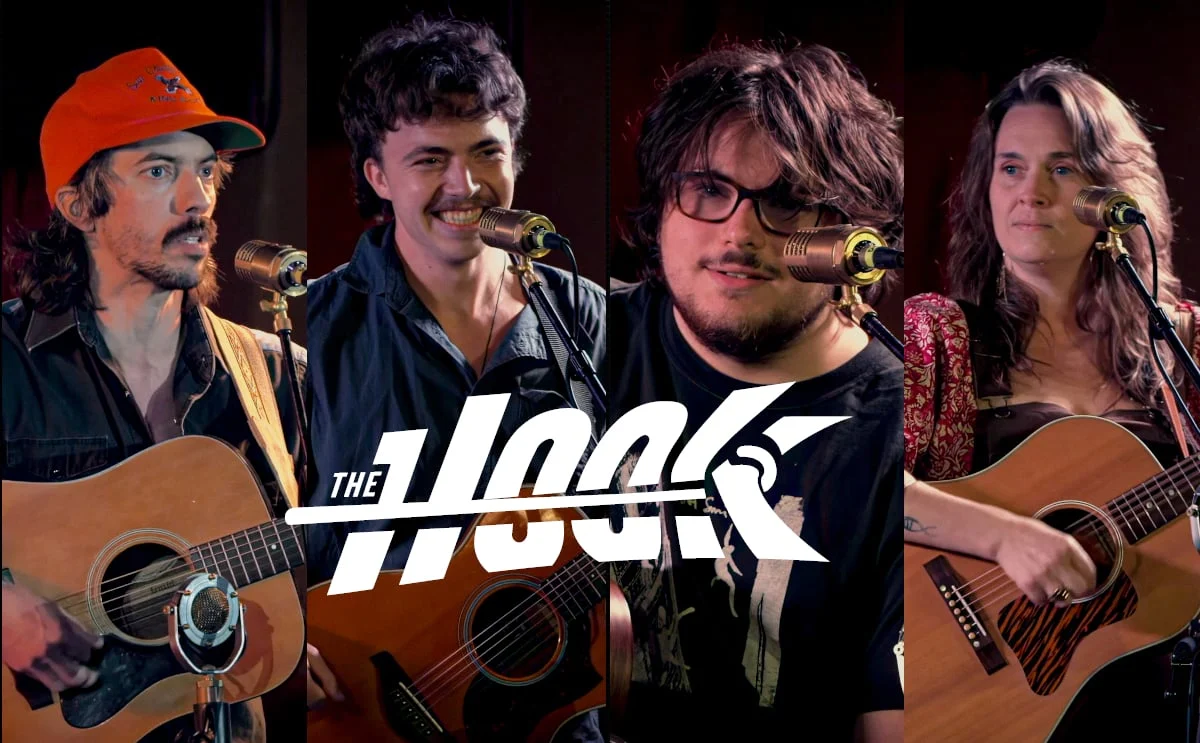
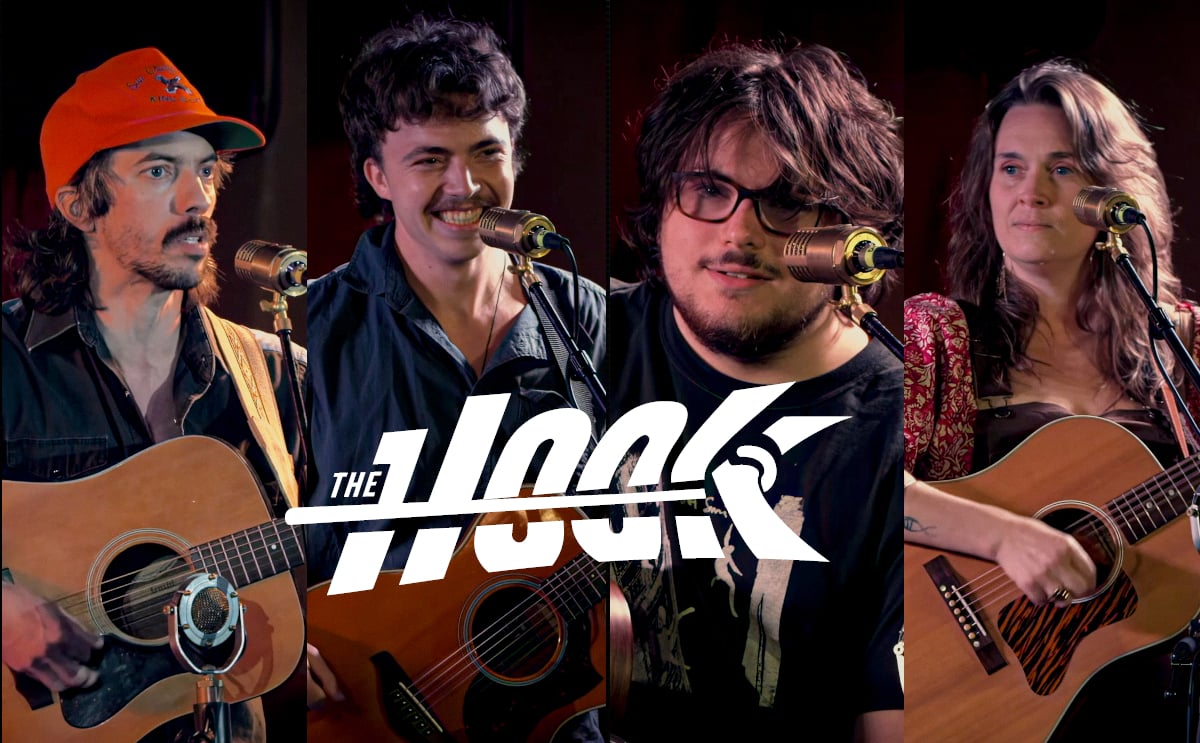
On September 27, 2026, the Sagebrush venue in Austin, Texas, hosted the sixteenth installment of The Hook, a recurring live songwriting showcase that has rapidly evolved from an experimental community gathering into a critical platform for independent musical talent. Founded on the premise of challenging the dominance of corporate radio and algorithm-driven "hot country" playlists, The Hook utilizes a unique random-selection process to grant aspiring songwriters the opportunity to perform original material before a live audience and a panel of seasoned peers. The latest episode demonstrated a significant trend in the modern music landscape: the narrowing gap between amateur aspiring artists and established professional musicians, as the quality of songwriting at the grassroots level continues to rise in response to a stagnant mainstream market.
The Hook’s primary objective since its inception has been to determine whether a stage and a microphone, when handed to a community of independent writers, can produce more compelling results than the curated content found on commercial broadcast stations. According to the organizers, the experiment has yielded surprising results, uncovering a consistent stream of artists who possess the craft and emotional depth necessary for national recognition. This phenomenon has led to the creation of the Gold Patch, a merit-based distinction awarded to performers who demonstrate exceptional skill. Recipients of the Gold Patch earn the right to perform at The Hook at their discretion, bypassing the random draw that governs the entry of new participants.
The Evolution of the Panel and the Gold Patch System
Episode 16 featured a panel composed of individuals deeply integrated into the local songwriting community, including several Gold Patch recipients. This peer-review format is designed to provide constructive feedback while maintaining a supportive atmosphere that prioritizes the "hook"—the central melodic or lyrical idea that defines a successful song. Among the panelists was Tom Pritchett, a songwriter known for his work with co-founder Caitlin Cannon’s prison outreach music program. Pritchett, who was sidelined from performing due to a recent finger injury, transitioned into an advisory role for the evening, offering a perspective shaped by both his pedagogical background and his experience in high-stakes songwriting environments.
Joining Pritchett on the panel was Tuskola, a regular performer whose previous contributions have solidified his reputation as one of the program’s most consistent writers. Tuskola opened the session with a performance of "Pecan Tree," a song centered on the nuances and frustrations of rental life. The track served as a benchmark for the evening, illustrating how mundane or domestic themes can be elevated through precise lyrical choices and authentic delivery. The inclusion of Gold Patch winners on the panel reflects the program’s self-sustaining ecosystem, where successful participants eventually become mentors for the next wave of talent.
Highlighted Performances and Technical Mastery
The September 27 showcase was notable not only for the lyrical content presented but also for the high level of technical proficiency displayed by the performers. Nick Teale, making his third consecutive appearance, provided what many attendees described as a standout moment with his song "Drive You Home." Beyond the songwriting, Teale’s intricate fingerpicking guitar style drew comparisons to the late Gordon Lightfoot, suggesting a revival of the 1970s folk-revival aesthetic within the contemporary Austin scene. Teale’s performance underscored a recurring theme of the evening: the importance of the "well-rounded musician" who can support sophisticated writing with equally sophisticated instrumentation.
Jerry Renshaw, another three-time participant, contributed to the evening’s honky-tonk atmosphere with "Cowboys Last Waltz." Renshaw has become a staple of The Hook, embodying the "grizzled" authenticity often missing from polished Nashville productions. His ability to evoke traditional country themes while maintaining a modern edge has made him a favorite among regular attendees. The return of Cory Kosel from North Texas further emphasized the geographic reach of the program. Kosel presented "High in Midlo," a song inspired by his initial experience with The Hook. By utilizing the unique name of Midlothian, a Dallas suburb, as the central hook of his composition, Kosel demonstrated the program’s influence on the creative process of its participants, encouraging them to find inspiration in local geography and personal history.
Narrative Depth and the Return of Seasoned Voices
Marsha Craft’s return to the Austin stage provided one of the evening’s most technically impressive lyrical displays. Having previously left Texas for work in California, Craft returned to Austin to finalize her relocation and utilized the opportunity to debut "Ruby." The song was praised by the panel for its "incredible craft," specifically the way Craft employed the title—a single name—in a variety of metaphorical and literal contexts throughout the verses. This level of wordplay is a hallmark of the Austin songwriting tradition, which prioritizes narrative complexity over simple, repetitive choruses.
The generational aspect of the songwriting community was also on display through the performances of the Salerno family. Owen Salerno, a previous Gold Patch winner, returned with "After The Carnival," a track that continued his exploration of melancholic, atmospheric folk-country. He was followed by his father, Anthony "Papa" Salerno, who performed "One More Hour." The elder Salerno’s song, which dealt with the themes of mortality and the finite nature of time, provided a stark emotional contrast to the more lighthearted fare of the evening. The presence of both father and son on the same stage highlighted the intergenerational transmission of musical traditions that The Hook seeks to foster.
New Arrivals and the Austin Migration
As Austin continues to be a magnet for musicians seeking an alternative to the major-label hubs of Nashville and Los Angeles, Episode 16 introduced several new faces to the community. Owen Rader, a graduate student at the University of Texas who recently moved to the city specifically for its music scene, made his debut with "Nomad." Rader’s participation exemplifies the symbiotic relationship between Austin’s academic institutions and its cultural output. Additionally, Larry Llodra, representing the band Roaring Sun, offered an optimistic perspective on aging with his song "Everything’s Going My Way." Written to commemorate his 40th birthday, Llodra’s performance served as a reminder that the "aspiring songwriter" demographic is not limited to the youth, but includes seasoned individuals finding new creative voices later in life.
The production of Episode 16 was not without its challenges. Organizers noted a technical issue regarding the stage lighting during the first half of the recording, which resulted in atypical color grading in the video footage. However, the issue was rectified midway through the event, and the audio quality—maintained through partnerships with Ear Trumpet Labs—remained consistent throughout. This transparency regarding production hurdles is part of The Hook’s commitment to an "authentic" and "unfiltered" presentation of live music.
The Broader Impact of Independent Songwriting Showcases
The success of The Hook reflects a broader shift in the music industry’s power dynamics. As streaming platforms become oversaturated with AI-generated content and highly manufactured pop-country, audiences are increasingly seeking out "high-trust" environments where the human element of songwriting is prioritized. By providing a curated yet accessible space like Sagebrush, The Hook acts as a de facto A&R (Artists and Repertoire) department for the independent scene, identifying talent that might otherwise be overlooked by traditional industry gatekeepers.
The program’s expansion into digital distribution—including availability on Spotify, Apple Podcasts, Amazon Music, and YouTube—indicates a strategic move to export the Austin "songwriting room" experience to a global audience. This multi-channel approach allows independent artists to build a digital footprint that is backed by the credibility of a live, peer-reviewed performance. Sponsors such as Big Hat Premium Cocktails, Keystone Artist Connect, and Ear Trumpet Labs have recognized this value, providing the financial and technical infrastructure necessary to maintain a high-quality production without compromising the show’s grassroots integrity.
Upcoming Events and Participation Details
Following the conclusion of Episode 16, organizers announced that the next taping of The Hook is scheduled for Sunday, October 4, 2026, at Sagebrush. The event will run from 3:00 pm to 5:00 pm, with sign-ups for the random draw beginning at 2:30 pm. The invitation remains open not only to songwriters but also to fans of the craft, as the program seeks to build a dedicated audience that values the storytelling aspect of country and folk music.
As The Hook moves into its next phase, the focus remains on the "gem in the rough." What began as an assumption that the talent pool would be a mix of "pretty good and pretty bad" has evolved into the realization that a significant, underserved community of artists is ready for the national stage. By providing the platform, the patch, and the panel, The Hook is ensuring that the future of country music remains rooted in the strength of the song itself. For those interested in the ongoing development of this scene, the program’s social media channels and podcast feeds offer a continuous archive of the evolving Austin sound.