The Red Clay Strays, an ensemble originating from Mobile, Alabama, have emerged as a significant force in the contemporary American music landscape, blending elements of country, soul, and rock with a transparent spiritual foundation. While the band has never shied away from incorporating their personal convictions into their discography, recent public statements from frontman Brandon Coleman have clarified the group’s stance on their identity, emphasizing a desire to be recognized for their artistry rather than a specific religious label. This nuanced approach comes at a pivotal moment for the band as they navigate an aggressive touring schedule and a rapidly expanding national profile that sees them transitioning from small-town venues to major arenas.
The band, which consists of Brandon Coleman on lead vocals and guitar, Drew Nix on electric guitar, vocals, and harmonica, Zach Rishel on electric guitar, Andrew Bishop on bass, John Hall on drums, and Sevans Henderson on keyboards, has cultivated a reputation for high-energy live performances that often mirror the fervor of a revival meeting. However, during a recent performance in Macon, Georgia—a city with its own deep roots in Southern rock and soul history—Coleman took a moment to address the audience directly regarding the band’s relationship with faith. His comments underscored a sophisticated understanding of their diverse audience, acknowledging that while the band members are Christians, they do not view themselves as a "Christian band" in the traditional genre-restricted sense.
The Macon Declaration: Artistry Over Labeling
During the Macon tour stop, Coleman’s address to the crowd served as a manifesto of sorts for the band’s public identity. Addressing the audience with a blend of Southern humility and professional candor, Coleman noted that the band is fully aware of the secular nature of the broader music industry and the varied beliefs of their supporters. He explicitly stated that the group does not intend to act as spiritual leaders or preachers, but rather as performers dedicated to their craft.
"I don’t really feel the need to explain this here, because we’re in the south," Coleman told the crowd, referencing the cultural familiarity with religious themes in the region. "But I do tell people at our shows sometimes, I just feel the need to let them know we’re not naive little country bumpkins. We’re fully aware that not everyone believes in God."
This statement is indicative of a broader trend among Southern artists who seek to decouple their personal faith from the commercial "Contemporary Christian Music" (CCM) industry. By positioning themselves as a "band full of Christians" rather than a "Christian band," the Red Clay Strays maintain the creative freedom to explore themes of struggle, vice, and secular life alongside their spiritual reflections. Coleman’s gratitude toward non-believing fans highlights a strategic and sincere effort to remain inclusive, ensuring that their music remains accessible to a global audience regardless of theological alignment.
A Chronology of Resilience: From Uber Drivers to Arena Headliners
The current success of the Red Clay Strays is a stark contrast to the challenges they faced only a few years ago. The band’s trajectory provides a case study in the volatility of the modern music industry, particularly during the global disruptions of 2020. Before the COVID-19 pandemic, the group was beginning to gain traction, but the subsequent shutdown of live music venues across the United States threatened their professional survival.
In 2020, as the pandemic "took the wind out of their sails," members of the band were forced to seek alternative employment to sustain their musical ambitions. Several members reportedly drove for ride-sharing services like Uber to cover basic living expenses while continuing to write and rehearse. This period of financial instability and professional uncertainty is frequently cited by the band as a crucible that tested their resolve and deepened their reliance on their faith and on each other.
The timeline of their recording career reflects this period of growth and perseverance:
- Early Years: Development of their signature "Southern-soul" sound in Alabama.
- 2020-2021: Navigating the pandemic through gig-economy work and virtual engagement.
- 2022: The release of Momentum, which began to garner significant independent attention.
- 2024: The release of Made By These Moments, a project that leaned heavily into the trials they overcame, followed by the release of Grateful.
- 2025-2027: Transition into major arena tours and international recognition.
The transition from driving Ubers to selling out venues like the Bridgestone Arena in Nashville is a narrative that has resonated deeply with their fanbase, reinforcing the themes of hope and "keeping the faith" found in their lyrics.
Musical Analysis: The Sacred and the Secular
The band’s discography, particularly their most recent works, serves as a bridge between traditional gospel influences and modern Americana. Tracks like “Demons In Your Choir,” “Revival,” and “God Does” utilize religious terminology and themes, but they are delivered with a grit and musical sophistication that appeals to fans of classic rock and blues.
"God Does," a standout track from their recent catalog, exemplifies this balance. While the lyrics are overtly spiritual, the arrangement leans into the soulful, blues-heavy traditions of the American South. This allows the song to function both as a personal testimony and as a high-quality piece of Southern rock. By integrating these faith-based songs into a setlist that also includes songs about heartbreak, wandering, and daily life, the Red Clay Strays occupy a unique space in the market.
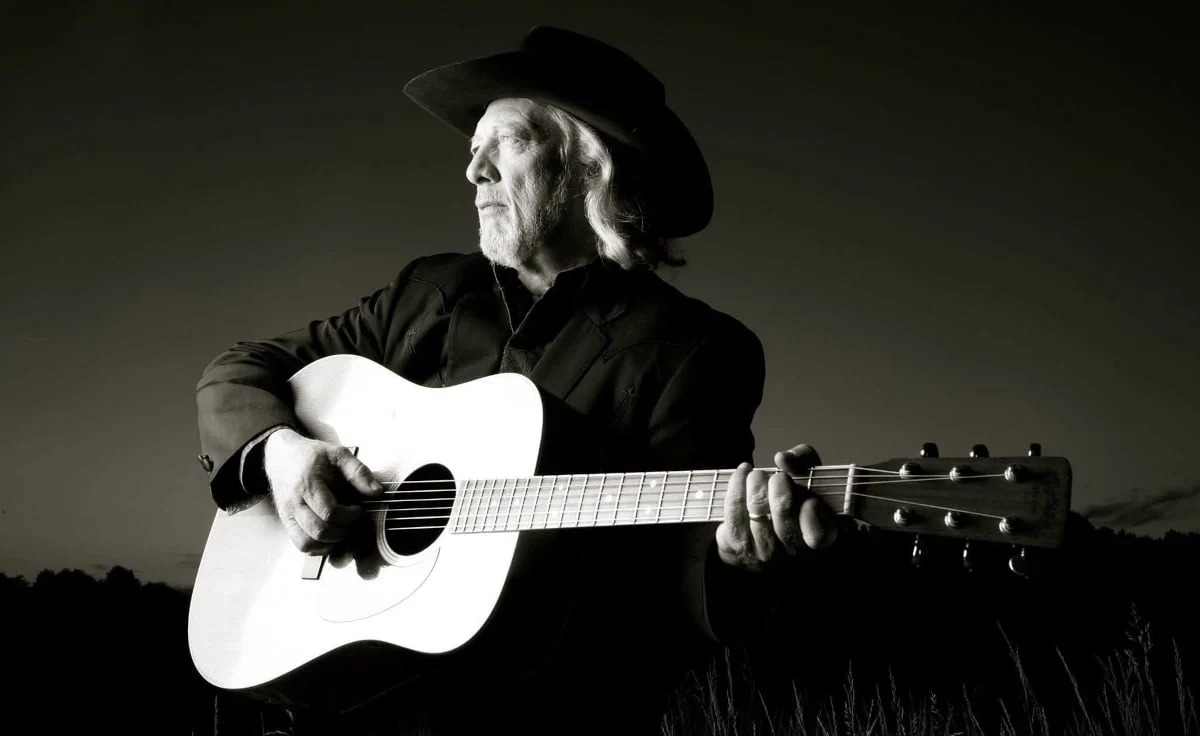
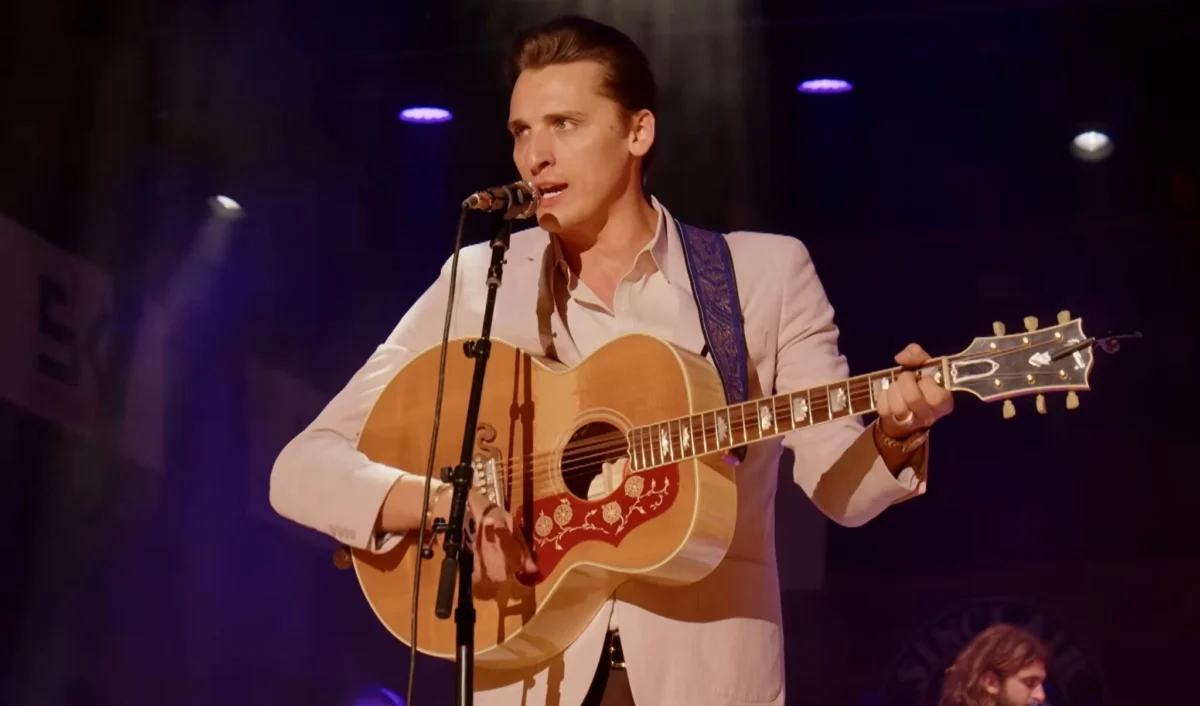
Industry analysts note that this "cross-pollination" of genres is a key driver of their commercial success. By refusing to be pigeonholed into the Christian music market, they are able to share stages with diverse artists ranging from the psychedelic-soul of The Revivalists to the traditional country sounds of Travis Tritt and the indie-folk sensibilities of Sierra Ferrell.
Supporting Data: Touring Expansion and Market Reach
The demand for the Red Clay Strays’ live performances has necessitated a significant expansion of their touring schedule. The "Grateful Tour," initially slated for 2026, has already seen such high ticket demand that the band has officially extended the run into 2027. This expansion is a quantitative indicator of their rising status within the industry.
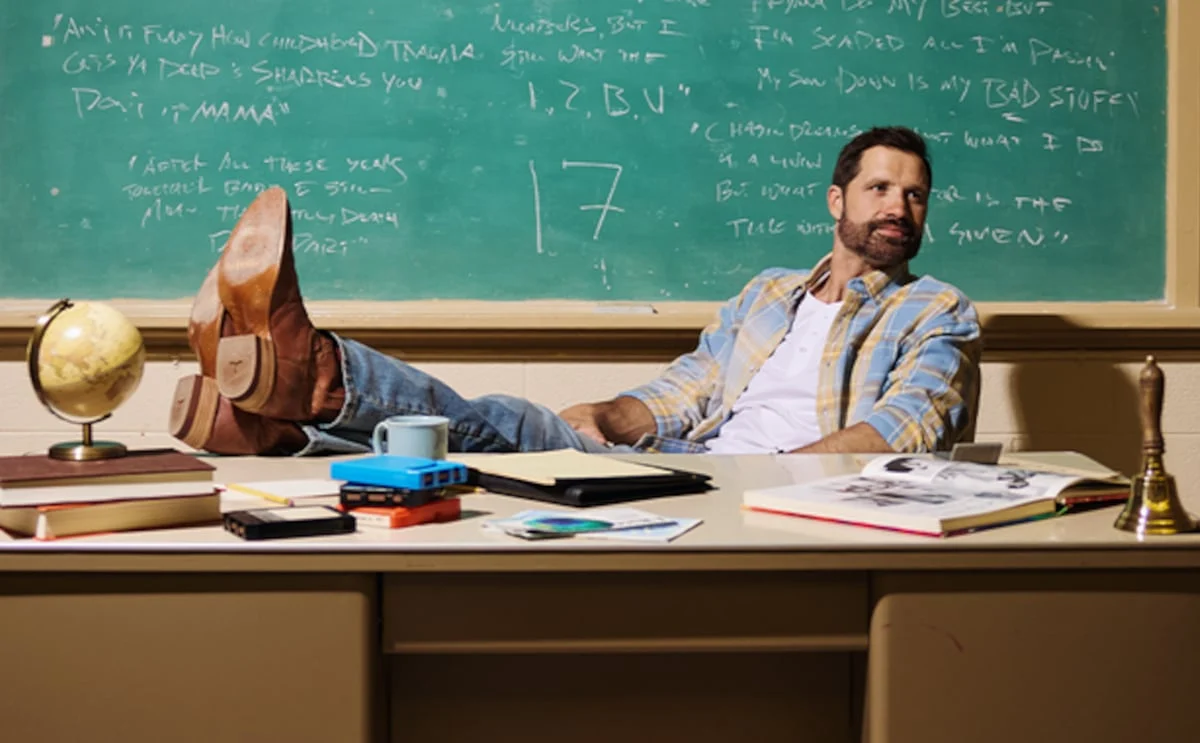
The 2026 leg of the tour includes stops at major venues with capacities ranging from 10,000 to 20,000 seats. For example, the Bridgestone Arena in Nashville and the State Farm Arena in Atlanta are premier venues that typically host top-tier global acts. The inclusion of high-profile supporting acts like Wyatt Flores, Muscadine Bloodline, and Shane Smith & the Saints further suggests a strategic positioning to capture the "Alternative Country" and "Red Dirt" demographics.
Selected 2026 Grateful Tour Dates and Venues:
- October 14: Orlando, FL – Kia Center (with The Revivalists & Haley Reinhart)
- October 15: Savannah, GA – Enmarket Arena
- October 22-23: Nashville, TN – Bridgestone Arena (Two-night residency with Brent Cobb & Sierra Ferrell)
- October 31: Birmingham, AL – Legacy Arena at the BJCC (A homecoming-style performance)
- November 13: Atlanta, GA – State Farm Arena (with Travis Tritt & Brent Cobb)
The two-night residency at Nashville’s Bridgestone Arena is particularly noteworthy, as it signals the band’s arrival as a headlining powerhouse in the "Country Music Capital of the World."
Broader Impact and Industry Implications
The rise of the Red Clay Strays reflects a broader shift in the music industry where authenticity and "lived experience" are highly valued by consumers. In an era often dominated by highly polished, algorithm-driven pop, the Strays’ raw, honest approach—including their candidness about their struggles and their beliefs—offers a point of differentiation.
Furthermore, their refusal to adopt the "Christian band" label while maintaining Christian themes suggests a maturing of the market. It indicates that modern audiences are increasingly comfortable with artists who bring their whole selves to the stage, including their spirituality, without requiring the music to be exclusively promotional or liturgical. This allows for a more complex lyrical exploration of the human condition, which in turn fosters a more loyal and diverse fanbase.
As the band prepares for their extended tour through 2027, the focus remains on their self-described mission: to make art that resonates. Whether performing in the "dirty south" of Georgia or in the metropolitan centers of the Northeast and West Coast, the Red Clay Strays are proving that a message of gratitude and a foundation of faith can be universal, provided they are delivered with genuine talent and a lack of pretension. Their journey from the economic uncertainty of 2020 to the arena stages of 2026 stands as a testament to their resilience and a significant chapter in the evolving story of American Southern music.