The Isle of Man, a self-governing British Crown Dependency situated in the heart of the Irish Sea, remains one of the few places in the world where the Victorian era continues to breathe through its public infrastructure. At the center of this living history is Douglas, the island’s capital and its most populous coastal town. While Douglas serves as a modern business hub and a vital working harbor, it is perhaps most famous among global travelers for the Douglas Bay Horse Tramway. Established in 1876, this iconic transport system holds the prestigious title of the oldest horse-drawn tramway in the world, providing a continuous link to a bygone era of transport. As of early 2025, the tramway remains a cornerstone of the island’s tourism industry, supported by a dedicated fleet of horses known affectionately as "Trammers" and a meticulously maintained infrastructure that spans the length of the town’s picturesque promenade.
A Century of Tradition: The Origins and Evolution of the Tramway
The story of the Douglas Bay Horse Tramway began in the late 19th century, a period when the Isle of Man was emerging as a premier holiday destination for the working classes of Northern England and Ireland. The tramway was the brainchild of Thomas Lightfoot, a retired civil engineer from Sheffield. He envisioned a system that would transport tourists along the sweeping curve of Douglas Bay, connecting the steamship pier with the northern end of the town. On August 7, 1876, the first tram took to the rails, marking the beginning of an institution that would survive two World Wars, the decline of traditional British seaside holidays, and the rise of the internal combustion engine.
Throughout its history, the tramway has undergone various changes in ownership and scale. Originally a private venture, it was purchased by the Douglas Town Commissioners (later the Douglas Borough Council) in 1902. For over a century, the local authority managed the service, ensuring that the sight of heavy horses trotting along the promenade remained a fixture of the Manx summer. In recent years, the management of the tramway was transferred to the Isle of Man Government’s Department of Infrastructure, specifically under the umbrella of Isle of Man Railways. This transition ensured the long-term financial viability of the service, allowing for significant investment in both the tracks and the welfare of the horses.
The Trammers: The Heart of the Operation
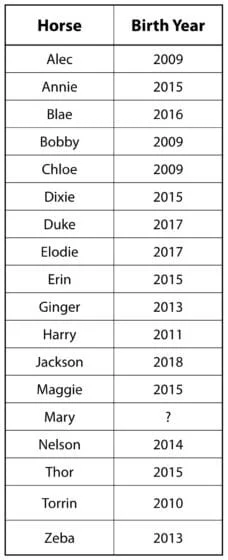
The true stars of the Douglas Bay Horse Tramway are the horses. Known as "Trammers," these animals are typically heavy breeds such as Shires and Clydesdales, chosen for their strength, steady temperament, and ability to handle the coastal environment. The management of the herd is a matter of significant public interest and rigorous animal welfare standards. At the beginning of the 2025 season, the stable census reported a healthy population consisting of 18 mature horses and five foals. These foals represent the future of the tramway, undergoing a gradual training process that ensures they are comfortable with the sights and sounds of a busy seaside town before they ever pull a passenger-laden tram.
Data regarding the herd provides insight into the longevity and care provided to these animals. For instance, a demographic analysis of the current working horses shows a diverse range of ages. Using historical birth records, it is noted that one of the well-known horses, Mary, was born in 2007, making her a seasoned veteran of the promenade. The statistical mode for birth years within the current 2025 working group is 2015, indicating a significant cohort of horses currently in their physical prime. This age distribution is carefully managed to ensure that older horses can transition into a well-earned retirement at the Home of Rest for Old Horses in Douglas, a local charity that has become a popular visitor attraction in its own right.

Engineering and the Science of Motion
While the tramway appears simple to the casual observer, it relies on specific engineering principles to ensure the workload on the horses is minimized. The tram line extends 1.6 miles (approximately 2.6 kilometers) along the waterfront, stretching from the Derby Castle terminus in the north to the Villa Marina and the Sea Terminal area in the south.
The efficiency of the system is largely due to the use of roller bearings in the tram wheels. In the world of physics, rolling motion significantly reduces the coefficient of friction compared to sliding motion. Because the trams move on metal rails with high-precision bearings, the "pull" required to keep the vehicle in motion is relatively low once the initial inertia is overcome. This allows the horse to maintain a steady trot without excessive physical strain. Essentially, the horse provides the kinetic energy to maintain a constant speed, while the mechanical design of the tram minimizes the energy lost to friction.
Operational Logistics and Daily Schedules
The Douglas Bay Horse Tramway operates on a structured timetable that balances tourist demand with equine welfare. A single horse is never asked to overexert itself; the standard operating procedure dictates that no horse completes more than three return journeys in a single working day.
A return journey consists of a 1.6-mile trip from Derby Castle to the southern end of the promenade and back again. Therefore, a horse completing its full daily rotation travels a total of 9.6 miles (15.6 kilometers). Given that a one-way trip takes approximately 15 minutes (or a quarter of an hour), the total time a horse spends actively pulling a tram is roughly 1.5 hours per day. The remainder of their time is spent resting, grooming, and feeding at the stables, ensuring they remain in peak condition.
The schedules themselves are designed to coordinate with other heritage transport systems on the island, such as the Manx Electric Railway. On a standard "Schedule A," trams depart from Derby Castle every 30 minutes, starting in the morning. For example, after departures at 09:05 and 09:35, the next tram would leave at 10:05, continuing the half-hourly pattern. During peak periods or special events, a more frequent "Schedule B" may be implemented, with trams leaving the Villa Marina terminus every 15 minutes. This level of frequency allows the tramway to move a significant number of passengers, particularly when cruise ships are in port at Douglas Harbor.
Socio-Economic Impact and Tourism
The tramway is more than just a novelty; it is a vital component of the Isle of Man’s "heritage rail" brand. Along with the Steam Railway and the Snaefell Mountain Railway, the horse trams form a network of Victorian transport that attracts thousands of enthusiasts and families every year. The ability for passengers to "hop on and hop off" at any point along the 1.6-mile route makes it a practical, albeit slow, method of traversing the Douglas promenade.

From an economic perspective, the tramway supports local employment, including stable hands, farriers, veterinarians, and tram drivers. It also drives foot traffic to the businesses lining the promenade, from hotels and cafes to the Villa Marina and Gaiety Theatre complex. The presence of the trams enhances the aesthetic appeal of Douglas, preserving the Victorian character of the seafront which might otherwise have been lost to modern development.
Challenges and Future Outlook
Despite its longevity, the tramway has faced challenges. In 2016, the Douglas Borough Council initially voted to close the service due to rising costs, a decision that sparked international outcry and a successful "Save Our Horse Trams" campaign. The subsequent takeover by the national government stabilized the operation, but it also led to several years of disruption as the promenade underwent a multi-million-pound reconstruction.
The modern layout of the promenade now features a single track for much of its length, with passing loops to allow trams to move in both directions. This modernization has integrated the 19th-century technology into a 21st-century urban environment, complete with new paving, lighting, and traffic management systems.
As the Isle of Man looks toward the future, the Douglas Bay Horse Tramway remains a symbol of resilience. It serves as a reminder of a time when the pace of life was dictated by the steady beat of hooves rather than the hum of an engine. For the residents of Douglas, the "Trammers" are a source of local pride, and for the visitors, they offer a unique window into the history of transport. With a new generation of foals entering training in 2025, the legacy of the oldest horse-drawn tramway in the world appears secure, ensuring that the sound of the tram bell will continue to echo across Douglas Bay for years to come.