The iconic California wine industry, long a symbol of agricultural prowess and sophisticated craftsmanship, is currently grappling with an unprecedented crisis. Dramatic media reports have painted a stark picture of the Golden State’s wine country: once-vibrant vineyards now lie fallow, abandoned, or are being systematically uprooted. Tens of thousands of acres of grapevines are being bulldozed and pulverized into wood chips by industrial grinders, transforming picturesque landscapes into barren patches. This agricultural upheaval, dubbed by some as the "Grape Apocalypse," signals a profound shift within the drinks world, driven by a complex interplay of evolving consumer preferences, mounting economic pressures, and long-standing regulatory challenges.
The Unfolding Crisis in California Vineyards
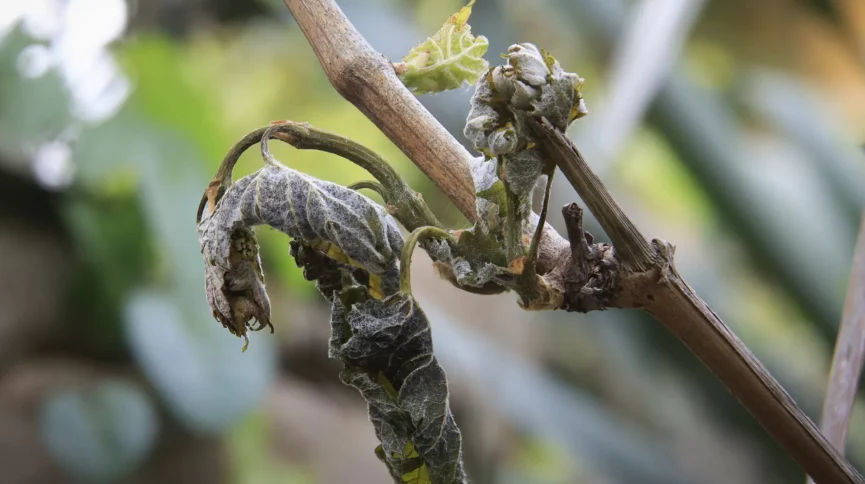
The visible evidence of the crisis is widespread and striking. From the historic Lodi region to other prominent wine-growing areas, images and reports confirm the large-scale removal of grapevines. This is not merely an isolated incident but a systemic trend affecting growers and vintners across the state. The decision to rip out mature vines, representing years of investment and cultivation, underscores the severe financial distress facing many in the sector. For grape growers, who are often independent farmers supplying larger wineries, the lack of demand translates directly into unsold harvests and unsustainable operating costs. The laborious process of vineyard removal, involving heavy machinery and significant expense, highlights a desperate measure taken by producers who see no viable market for their grapes. This act of "desecration," as some have called it, signifies a surrender to market forces that have rendered their primary crop economically unfeasible.
Deciphering the Demand Decline: A Generational Shift
While the images of destruction are recent, the roots of the crisis extend deeper, primarily driven by a significant decline in wine consumption. Global wine drinking has fallen to a 27-year low, according to data from the International Organisation of Vine and Wine (OIV), with American wine sales experiencing an 8.7 percent drop in 2023 alone. This downturn is largely attributed to a fundamental shift in consumer behavior, particularly among younger demographics. Millennials and Gen Z, now increasingly influential consumer groups, are exhibiting markedly different drinking habits compared to previous generations.
Research indicates that these younger cohorts are not only drinking less alcohol overall but are also diversifying their beverage choices significantly. The allure of traditional wine appears to be waning in favor of other options. Craft beer, with its diverse flavor profiles and local appeal, has captured a significant market share. Similarly, the burgeoning popularity of craft cocktails, offering innovative mixes and customizable experiences, has diverted attention and dollars from wine. Beyond alcoholic beverages, there’s a growing trend towards health-consciousness and moderation, leading many younger consumers to opt for low-alcohol or completely non-alcoholic alternatives. The "sober curious" movement, alongside a general preference for mindful consumption, contributes to a reduced overall intake of alcoholic beverages, including wine. This generational pivot poses a long-term challenge to the wine industry, necessitating a strategic re-evaluation of marketing, product development, and brand identity to reconnect with these evolving consumer segments.
Economic Headwinds and Market Shifts
Beyond changing tastes, the wine industry has also been battered by a confluence of economic factors. Inflation has driven up the costs of production across the board, from labor and vineyard maintenance to bottling, transportation, and marketing. Wineries face higher prices for glass bottles, corks, labels, and even fuel for distribution. These increased operational expenses squeeze profit margins, making it harder for producers, especially smaller ones, to remain competitive.
Simultaneously, the market has been flooded by a surge in imported wines. Favorable exchange rates, lower production costs in other wine-producing regions, and aggressive marketing by international brands have made imported wines increasingly attractive to consumers and retailers alike. This influx creates an oversupply in the domestic market, driving down prices and making it even more challenging for California wineries to sell their products.

Adding another layer of complexity is the growing dominance of private-label wine brands from major grocery store chains. Retail giants like Costco (with its Kirkland Signature wines) and Whole Foods (with brands like Wine Farmer) leverage their immense purchasing power and distribution networks to offer wines at highly competitive prices. These private labels often source their wines in bulk, sometimes from the very vineyards that are now struggling, but sell them under their own branding, bypassing traditional winery labels and directly competing with established producers. This trend further consolidates market power in the hands of a few large retailers, diminishing shelf space and consumer visibility for independent wineries.
The Unseen Hand: Government Regulation and the Three-Tier System
While consumer shifts and economic pressures are significant, a critical, often overlooked factor exacerbating the crisis is the archaic regulatory framework governing alcohol distribution in the United States: the three-tier system. Nearly every state mandates this system, which dictates that alcohol producers (tier 1) cannot sell directly to retailers (tier 3) or consumers. Instead, they must route their products through government-mandated middlemen: wholesalers or distributors (tier 2).
Historical Roots of the Three-Tier System
The three-tier system emerged in the post-Prohibition era of the 1930s. Its purported rationale was multifaceted. Primarily, it aimed to prevent the resurgence of "tied houses" – saloons owned or controlled by large alcohol producers – which were associated with excessive drinking and corrupt practices before Prohibition. Lawmakers believed that separating production, distribution, and retail would foster a more orderly market, prevent monopolies at the producer level, and promote responsible alcohol consumption. Additionally, the system facilitated easier tax collection by consolidating sales data at the distributor level. While well-intentioned at its inception, its efficacy in today’s diverse and dynamic market is increasingly questioned.
Consolidation of Power: The Distributor Dilemma
Ironically, the three-tier system, designed to prevent monopolies, has inadvertently fostered them at the distribution level. For decades, the wine market enjoyed a relatively diverse landscape of distributors, offering numerous options for wineries to get their products to market. However, a relentless wave of consolidation has dramatically reduced their numbers. Today, for over 8,000 American wineries, there are fewer than 1,000 distributors nationwide. More critically, this figure masks an even starker reality: just three colossal distributors control an astonishing 67 percent of all U.S. wine sales. In some states, this market dominance climbs to over 90 percent.
This concentration of power creates a bottleneck in the supply chain. These goliath distributors, driven by efficiency and profit maximization, naturally prioritize servicing accounts from the largest, most established wineries that can move massive volumes of product. Their sales forces are incentivized to push high-volume brands, leaving smaller and medium-sized wineries struggling for attention.
Impact on Small and Medium Wineries
The consequences for independent and boutique wineries are devastating. Many find themselves unable to secure distribution agreements with these dominant players. Without a distributor willing to carry their products, their wines never even make it to store shelves, effectively severing them from their primary market-access channel. This lack of access means their wines, no matter how high-quality or unique, remain largely invisible to consumers outside of direct-to-consumer sales (which often face their own complex shipping regulations across state lines).

The inability to reach a broader market means less wine is produced and sold, which in turn reduces the demand for grapes. This direct causal link between the distribution bottleneck and the plummeting demand for grapes is a significant driver of the "vineyard desecrations" currently observed across California. Growers, facing dwindling contracts from wineries that can’t distribute their product, are left with no choice but to abandon or rip out their vines. The very system meant to regulate the market has, in this view, become a chokehold, suffocating innovation and diversity in America’s largest wine market.
Economic Repercussions and Broader Implications
The "Grape Apocalypse" carries profound economic and societal repercussions. For grape growers, the immediate impact is financial ruin, loss of generational assets, and the displacement of agricultural workers. Rural communities that depend heavily on the wine industry for jobs, tourism, and ancillary businesses (e.g., hospitality, transport, equipment suppliers) face significant economic downturns. The destruction of vineyards also represents a loss of agricultural heritage and a potential shift in land use, with environmental implications depending on what, if anything, replaces the vines.
For wineries, especially smaller ones, the crisis threatens their very existence. The closure of scores of wineries translates to job losses, reduced local tax revenues, and a diminution of California’s global reputation as a premier wine producer. The consolidation of the market, both at the retail and distribution levels, risks homogenizing the wine offerings available to consumers, potentially stifling the diversity and unique character that small producers often bring to the market.
Pathways to Reform: Policy Debates and Potential Solutions
Industry analysts and advocates for smaller wineries argue that meaningful reform of the three-tier system is imperative to mitigate the crisis. One frequently proposed solution is to allow more wineries to self-distribute their products directly to retailers, bypassing the mandated middleman. This would empower smaller producers to control their own market access, respond more nimbly to demand, and potentially offer more competitive pricing. Extending self-distribution rights to include cross-state line sales would further open up markets for these independent vintners.
A more radical, yet increasingly voiced, proposal is to scrap the three-tier system entirely. Proponents argue that the original rationales for the system are largely outdated in the modern era of sophisticated supply chain management, stringent food safety regulations, and robust tax collection mechanisms. They contend that alcohol should be allowed to operate like virtually every other industry in America, where producers can directly sell to retailers or even consumers, fostering true market competition and innovation.
Such reforms would undoubtedly face strong opposition from existing distributors, who benefit immensely from the current system, and potentially from some state governments reluctant to overhaul established regulatory frameworks and revenue streams. However, the escalating crisis in California’s vineyards underscores the urgent need for a serious re-evaluation of policies that, while intended to prevent problems, have arguably created new, more complex ones.
Looking Ahead: The Future of California Wine
The California wine industry stands at a critical juncture. The current challenges are multifaceted, stemming from evolving consumer tastes, economic pressures, and regulatory inefficiencies. The "Grape Apocalypse" is a stark warning sign, signaling that without significant adaptation and systemic reform, the industry risks losing its luster and its economic vitality. Addressing the generational shift in drinking habits requires innovative marketing and product development, perhaps focusing on lower-alcohol options, new flavor profiles, or experiential consumption. Mitigating economic pressures demands efficiency improvements and potentially stronger collective bargaining power for growers. Most crucially, confronting the distribution bottleneck necessitates a serious legislative debate about the future of alcohol regulation in the United States. The path forward for California wine will require a collaborative effort from growers, vintners, retailers, consumers, and policymakers to uncork the potential of this storied industry and ensure its resilience for generations to come.