Trade shows represent a pivotal nexus for the equine industry, offering unparalleled opportunities for businesses to forge connections, exhibit their offerings, and elevate their brand presence. These curated events serve as vibrant marketplaces where enthusiasts, professionals, and businesses converge, creating an ecosystem ripe for growth. For equine enterprises, understanding and implementing effective strategies at these gatherings is not merely advantageous; it is a critical component of a comprehensive business development plan. This article delves into the essential tactics that can transform a trade show participation from a simple exhibition into a powerful engine for brand expansion and customer acquisition, drawing upon insights into effective booth design, strategic engagement, and post-event follow-through.
The Foundation of Engagement: Crafting a Compelling Booth Experience
The physical presence of a business at a trade show is often its first and most significant point of contact with potential clients and collaborators. The booth itself becomes a tangible representation of the brand, and its design and execution can profoundly influence attendee perception and engagement. A well-designed booth is not merely a space for product display; it is an immersive environment that communicates brand values, product utility, and an overall commitment to customer experience.
Strategic Booth Design and Setup
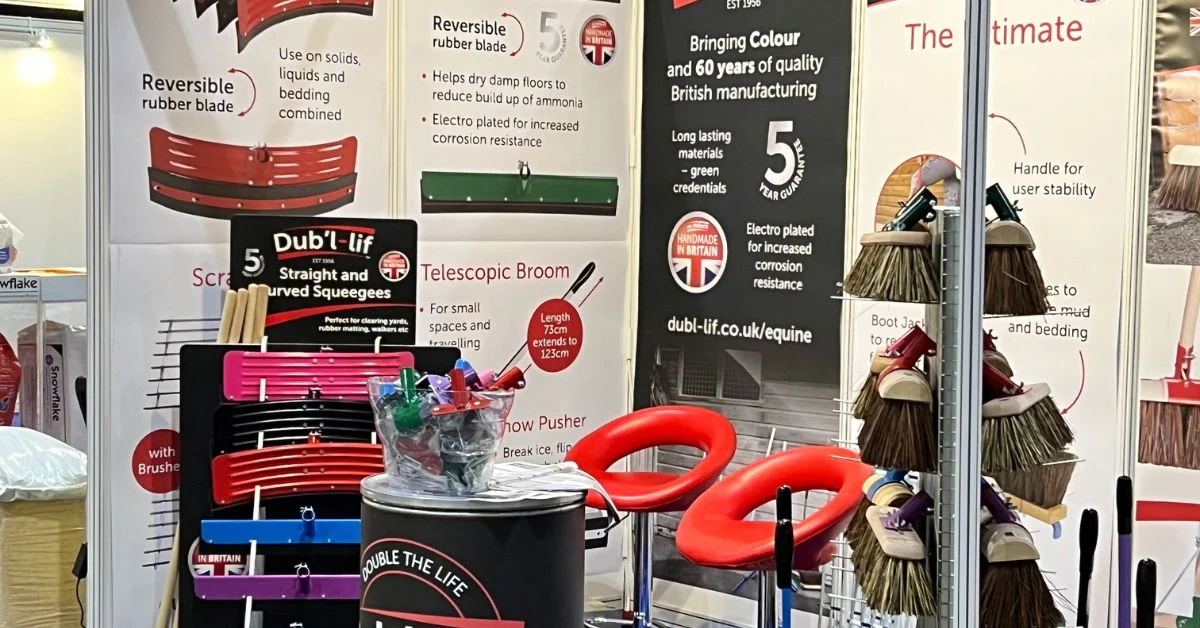
The principle of "less is more" often applies to booth design, particularly in creating an atmosphere that is both inviting and informative. Clarity in communication is paramount. This translates to impactful, easy-to-read signage that immediately conveys the business’s identity and core offerings. In the competitive landscape of a trade show, where attention spans are often fleeting, prominent and well-placed signage acts as a beacon, guiding interested individuals towards the exhibitor’s space. Beyond signage, the arrangement of products requires meticulous attention. Neat, organized displays not only present products in their best light but also reflect a level of professionalism and attention to detail that can inspire confidence in potential customers.
The strategic use of attractive visuals is another cornerstone of effective booth design. This can encompass high-quality imagery of products in use, testimonials, or graphics that evoke the lifestyle and passion associated with equestrian pursuits. These visual elements serve to capture attention and create an emotional connection with attendees. Furthermore, offering special deals or promotions exclusively for the duration of the trade show can be a powerful draw. These limited-time incentives create a sense of urgency and provide a tangible reason for attendees to engage with the brand and make an immediate purchase or commitment.
Perhaps the most impactful strategy for booth design is to foster interactivity. This moves beyond passive viewing and encourages active participation, allowing attendees to experience the products firsthand. Demonstrations, where feasible, can vividly illustrate the benefits and functionality of products. For instance, a company selling equine supplements might offer samples or demonstrate how a particular feed additive is incorporated into a horse’s diet. Similarly, companies offering tack or apparel could allow attendees to touch and feel the materials, assess the craftsmanship, and even try on items. This tactile engagement is crucial in building trust and facilitating informed purchasing decisions. The goal is to create an experience that transcends mere transaction, leaving attendees with a memorable impression of the brand and its commitment to quality and innovation. Engaging with attendees’ inherent curiosity about the equine world and how the business contributes to it is key to fostering genuine interest and lasting connections.
Cultivating Lasting Relationships: The Power of Data and Networking
Beyond the immediate impact of the booth, successful trade show participation hinges on the ability to cultivate long-term relationships. This involves strategic data collection and proactive networking.
Building and Leveraging a Mailing List
In the fast-paced environment of a trade show, capturing attendee contact information is a vital strategy for post-event engagement. Implementing a system for collecting email addresses, whether through a simple sign-up sheet or a more sophisticated digital kiosk, provides a direct channel for continued communication. This collected data is invaluable for nurturing leads and building a loyal customer base.
Following the trade show, a targeted email campaign can re-engage interested parties. These emails can offer exclusive follow-up discounts, provide additional product information, or announce new arrivals. Consistent communication keeps the business top-of-mind and reinforces the positive impression made at the event. This proactive approach transforms initial interest into sustained customer relationships, a critical factor for long-term business growth in any sector, particularly one as relationship-driven as the equine industry.
The Art of Professional Networking
Trade shows are inherently designed as networking hubs, and maximizing this aspect is crucial for businesses of all sizes. The value of a trade show extends far beyond direct sales; it lies in the diverse array of connections that can be forged. Engaging with fellow businesses, whether they are potential partners, suppliers, or even competitors, can yield valuable insights and collaborative opportunities. Understanding the market landscape, identifying potential synergies, and fostering professional relationships within the industry can lead to unexpected advancements and strategic alliances.
Furthermore, attending workshops, seminars, and panel discussions offered at trade shows is an excellent way to expand industry knowledge and connect with thought leaders. These educational sessions often attract a concentrated audience of engaged professionals, creating fertile ground for meaningful conversations and the exchange of ideas. By actively participating in these learning opportunities, businesses can not only enhance their understanding of current trends and best practices but also build a network of informed and influential contacts.
Amplifying Reach: The Digital Dimension of Trade Show Success
In today’s interconnected world, a trade show presence is significantly amplified by a robust digital strategy. Leveraging social media and digital platforms before, during, and after the event can dramatically extend a business’s reach and impact.
Generating Social Media Buzz
The days of a trade show presence being solely confined to the physical venue are long gone. Social media platforms offer a powerful mechanism for creating anticipation and sustaining engagement. Businesses can strategically share "sneak peeks" of their booth setup, highlight new products being unveiled, or announce exclusive trade show promotions in the weeks leading up to the event. This pre-show marketing builds excitement among existing followers and can attract new audiences who are interested in the offerings.
During the trade show, live updates, behind-the-scenes glimpses, and real-time announcements can keep followers engaged. Encouraging attendees to share their experiences online, perhaps through a dedicated hashtag or by offering a small incentive for social media posts, can further amplify reach. User-generated content acts as authentic endorsements and can attract individuals who may not have been aware of the business’s participation. This digital amplification transforms the trade show experience into a globally accessible event, extending its marketing impact far beyond the physical attendees.
The Role of Digital Feedback Mechanisms
Collecting feedback from trade show attendees is an indispensable practice for continuous improvement. While traditional suggestion boxes can be effective, modern digital survey tools offer a more efficient and comprehensive approach. Implementing a simple digital survey, accessible via QR code or a dedicated link, allows attendees to provide their thoughts and impressions in a structured format.
The insights gleaned from this feedback are invaluable. They can highlight which aspects of the booth design resonated most strongly, which products garnered the most interest, and what improvements could be made to the overall attendee experience. Understanding what worked well and what could be enhanced is crucial for refining strategies for future events. This data-driven approach ensures that each subsequent trade show participation is more effective than the last, leading to a more impactful return on investment.
Post-Show Momentum: Sustaining Engagement and Evaluating Performance
The conclusion of a trade show does not mark the end of a business’s engagement efforts; rather, it initiates a critical phase of follow-up and evaluation. The momentum generated at the event must be carefully maintained to convert initial interest into lasting business relationships.
The Criticality of Prompt Follow-Up
The connections made at a trade show are perishable if not nurtured. A prompt and personalized follow-up strategy is essential for solidifying these nascent relationships. Sending thank-you emails to contacts, reiterating key discussion points, and providing additional requested information are fundamental steps. For instance, if a potential customer expressed interest in a specific product, the follow-up email could include a detailed product brochure or a link to a demonstration video.
Reminding attendees of any special offers or promotions that were mentioned at the show can also serve as a powerful incentive. This consistent engagement demonstrates a commitment to customer service and reinforces the value proposition of the business. The objective is to transition from a transactional encounter at the trade show to a sustained, value-driven relationship that can lead to repeat business and customer loyalty.
Comprehensive Performance Evaluation
A thorough post-trade show evaluation is crucial for optimizing future event strategies. This involves a critical assessment of various aspects of the participation. Key questions to consider include: What were the primary objectives for attending the trade show, and to what extent were they met? Which booth elements generated the most engagement? What was the conversion rate of leads generated into actual sales or ongoing business? Were there any unexpected challenges or opportunities that arose?
Analyzing the data collected, including leads generated, sales figures, and feedback received, provides concrete metrics for success. Reflecting on the strengths and weaknesses of the exhibit, the effectiveness of promotional materials, and the performance of the sales team allows for the identification of areas requiring improvement. This iterative process of evaluation and refinement ensures that each subsequent trade show appearance builds upon past successes and addresses any shortcomings, ultimately leading to a more strategic and impactful approach to industry events.
The equine trade show circuit offers a dynamic and essential platform for businesses to thrive. By embracing a holistic approach that encompasses meticulous booth design, proactive networking, strategic digital engagement, and diligent post-show follow-up, equine businesses can not only enhance their visibility and brand recognition but also cultivate enduring customer relationships, driving sustained growth and success within this passionate and specialized industry. The investment in these strategies yields a significant return, not just in immediate sales, but in the long-term health and expansion of the business.