The National Cowgirl Museum and Hall of Fame has officially unveiled a series of sophisticated digital tours, allowing audiences worldwide to engage with the rich history of the American West from their own homes. Located in the heart of the Fort Worth Cultural District in Texas, the institution serves as the only museum in the world dedicated to honoring women of the West who have displayed extraordinary courage and pioneer spirit. By transitioning key components of its physical collection into a high-fidelity digital format, the museum is addressing a growing demand for accessible educational resources while ensuring the preservation of legacies that shaped the American frontier. These virtual experiences are structured to provide an immersive educational journey, blending visual storytelling with expert audio narration and archival documentation.
The implementation of these digital tours represents a significant milestone in the museum’s mission to document and celebrate the lives of women whose contributions have often been overshadowed in traditional historical narratives. As cultural institutions globally pivot toward digital-first engagement strategies, the National Cowgirl Museum and Hall of Fame has curated three distinct virtual paths: the "10 Must See Objects" tour, "Hitting the Mark: Cowgirls and Wild West Shows," and the "It’s Never Just a Horse" exhibition. Each tour is designed to function as a standalone educational module, complete with interactive elements and instructional guidance for users to maximize their engagement with the artifacts.
Navigating the Virtual Frontier: A User-Centric Approach to History
To facilitate a seamless transition from physical to digital exploration, the museum has integrated a user-friendly interface that prioritizes accessibility. Visitors are encouraged to begin their journey by listening to an introductory audio guide available on the home page, which provides essential instructions on navigating the virtual space. The digital architecture allows users to select specific tours through high-resolution imagery; once a tour is initiated, individual objects can be selected for deeper analysis.

A critical feature of this digital initiative is the multi-modal delivery of information. Each featured artifact is accompanied by an audio message, allowing for a guided listening experience as users scroll through detailed photographic galleries. For researchers and those with hearing impairments, the museum has included written transcripts of the audio recordings, accessible via a dedicated menu within the "Listen and Learn More" modules. This commitment to accessibility ensures that the educational value of the collection remains available to a diverse global audience, regardless of physical location or technical constraints.
The "10 Must See Objects" Tour: From Annie Oakley to Modern Media
The "10 Must See Objects" tour serves as a curated introduction to the museum’s vast archives, bridging the gap between 19th-century history and contemporary culture. Among the highlights of this tour is a belt handcrafted by Annie Oakley, perhaps the most famous markswoman in American history. This artifact provides a tangible connection to Oakley’s personal life and her meticulous attention to detail, traits that fueled her rise to international stardom in the late 1800s.
In a move that highlights the ongoing relevance of equestrian craftsmanship in modern media, the tour also features a saddle used in the production of the HBO series Game of Thrones. The saddle, utilized by actor Kit Harington in his portrayal of the character Jon Snow, demonstrates the intersection of traditional Western saddlery and modern cinematic storytelling. This inclusion underscores the museum’s philosophy that the "cowgirl spirit" and the craftsmanship associated with it are not confined to a specific era but continue to influence global culture.
Furthermore, the tour includes precise recreations of Crow Woman’s Horse Trappings. These items are vital for understanding the indigenous perspectives of the American West. By showcasing the intricate beadwork and functional artistry of Native American women, the museum provides a more holistic view of Western heritage, recognizing that the history of the frontier is a tapestry of diverse cultural contributions.

Hitting the Mark: The Legacy of the Wild West Show Performers
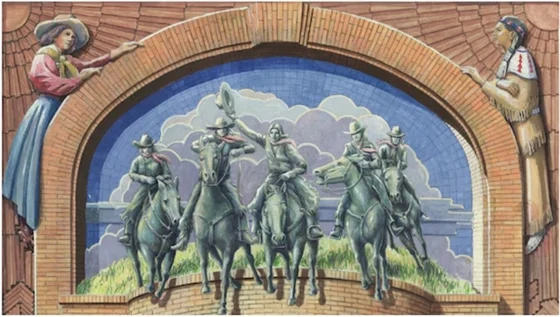
The "Hitting the Mark: Cowgirls and Wild West Shows" digital tour focuses on the period between the 1880s and the early 20th century, an era when women first began to achieve professional status as athletes and entertainers. This segment of the digital offering explores the historical significance of the Wild West show, a medium that allowed women to demonstrate skills in roping, riding, and sharpshooting to massive audiences across the United States and Europe.
While this tour shares some artifacts with the "10 Must See Objects" collection, it introduces exclusive items that provide deeper biographical insights. One such item is a letter written by Annie Oakley to her brother-in-law in 1924. The inclusion of a full transcription of this letter allows virtual visitors to glimpse the personal thoughts and private life of a woman who was a public icon. Additionally, the tour features the beaded cuffs of Lulu Bell Parr, recognized as one of the most flamboyant and skilled performers of her time. Parr’s career illustrates the transition of the cowgirl from a functional ranch hand to a celebrated professional athlete, a shift that laid the groundwork for the modern rodeo circuit.
It’s Never Just a Horse: Thematic Islands of Female Empowerment
The most extensive digital tour, "It’s Never Just a Horse," is organized into five thematic "islands": Ranching, Competing, Healing, Business, and Inspiring. This structure reflects the multifaceted roles women have played in relation to the horse, moving beyond the animal as a mere tool of labor to see it as a partner in professional and personal growth. The tour examines eleven specific items and the women associated with them, offering a broad survey of 20th and 21st-century Western history.
A focal point of this exhibition is the story of Stacy Westfall, an acclaimed equestrian whose bridleless reining performance at the 2006 All American Quarter Horse Congress became a national sensation. By including Westfall’s story, the museum highlights the evolution of horsemanship and the emotional bond between horse and rider. The tour also features insights from artist Veryl Goodnight, who provides a detailed commentary on her sculpture, Passing Times. Goodnight’s work serves as a visual metaphor for the passage of knowledge and tradition between generations of women, a core theme of the museum’s mission.

Institutional Context and the Shift to Digital Preservation
The National Cowgirl Museum and Hall of Fame, established in 1975, has long been a pioneer in cultural preservation. Originally founded in Hereford, Texas, before moving to its permanent home in Fort Worth, the museum has inducted over 200 women into its Hall of Fame, including artists, writers, ranchers, and world-class athletes. The decision to expand into digital tours is a strategic response to the changing landscape of museum education.
Industry data suggests that digital engagement has become a primary driver for museum relevance in the 21st century. According to reports from the American Alliance of Museums, institutions that offer robust virtual programming see a marked increase in international brand recognition and a broader demographic reach. By providing these tours free of charge, the National Cowgirl Museum and Hall of Fame is democratizing access to specialized historical knowledge that was previously restricted to those capable of traveling to North Texas.
Analysis of Global Impact and Educational Significance
The implications of this digital expansion extend beyond mere convenience. For educators, these tours provide a primary-source-rich curriculum for history and social studies programs. The inclusion of audio transcripts and high-resolution imagery allows for classroom integration that can spark discussions on gender roles, the economics of the early American entertainment industry, and the evolution of animal husbandry.
From a sociological perspective, the tours challenge the traditional "Lone Ranger" mythos of the American West, which has historically centered on male figures. By highlighting the business acumen of ranch women and the athletic prowess of Wild West performers, the museum’s digital platform reclaims a significant portion of American history for women. The "Business" island in the "It’s Never Just a Horse" tour, for instance, provides factual evidence of women’s roles in managing large-scale agricultural operations long before they were granted the right to vote.

Looking Forward: The Future of the Digital Archive
As the National Cowgirl Museum and Hall of Fame continues to update its digital offerings, the institution remains committed to the integration of technology and tradition. Future updates are expected to include more interactive 3D renderings of artifacts and potentially augmented reality (AR) features that could be used both on-site and remotely.
The launch of these three tours—"10 Must See Objects," "Hitting the Mark," and "It’s Never Just a Horse"—marks the beginning of a new era for the museum. By leveraging digital platforms to tell the stories of Annie Oakley, Stacy Westfall, and the countless unsung heroines of the West, the museum ensures that the cowgirl’s legacy remains a vibrant and accessible part of the global historical record. This initiative not only honors the past but also inspires future generations of women to pursue their own "pioneer spirit" in whatever field they choose.