The Emergence of Swampytonkin’ and Regional Synthesis
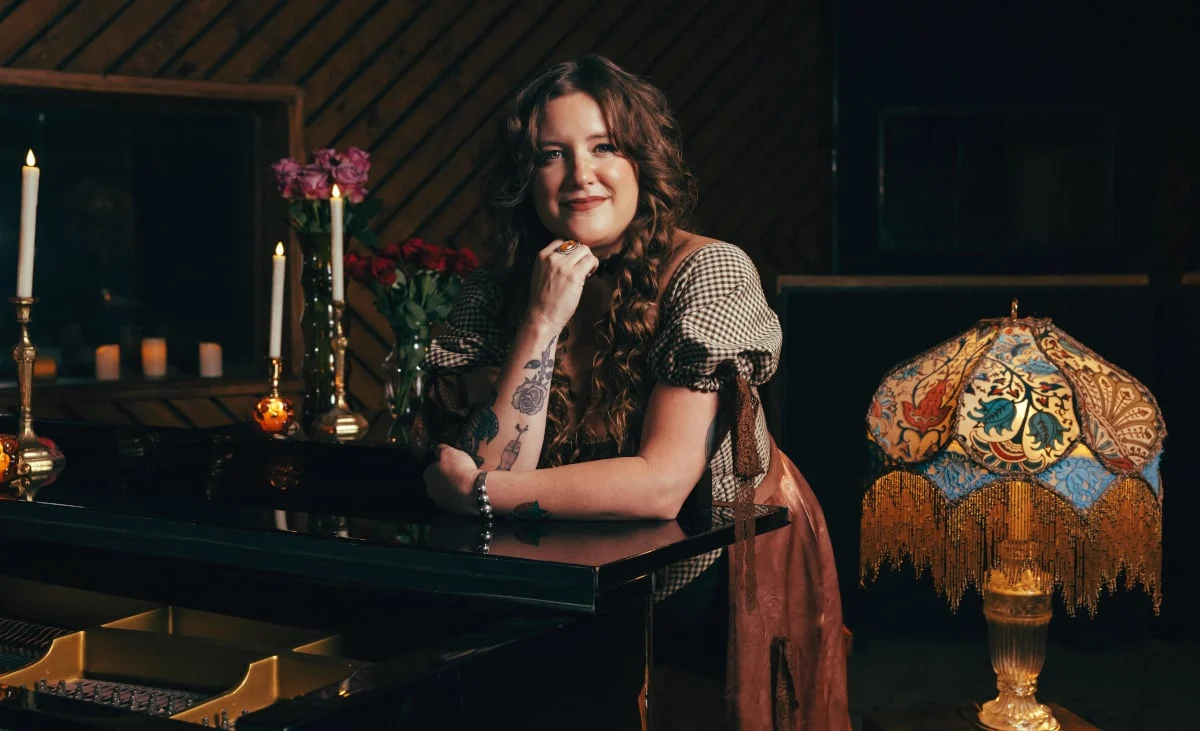
The conceptual foundation of Swampwater lies in the geographical and cultural exchange that occurs across the Sabine River, the natural border between Louisiana and Texas. Plaisance, a native of the river parishes in Louisiana, has successfully exported the "swamp" sensibility—characterized by heavy grooves, soulful inflections, and a certain humid mystery—into the high-energy environment of Central Texas honky-tonks. This synthesis addresses a specific gap in the contemporary Americana landscape, which often leans toward either sterile Nashville production or strictly academic recreations of folk styles.
Plaisance’s sound is categorized under the "Country Dewey Decimal System" (Country DDS) as a hybrid of Honky Tonk (#510.2), Gulf and Western (#568), and R&B-inspired Americana (#570.5). Unlike traditional Cajun music, which is often defined by the accordion (squeeze box) and French-language lyrics, Plaisance’s "Swampytonkin’" prioritizes the piano and a brass-heavy New Orleans influence. This distinction is vital; while the record is "draped in Spanish moss," it eschews the clichés of the genre in favor of a more sophisticated, R&B-inflected country sound. The result is a sonic profile that feels aged like fine bourbon—potent, complex, and deeply rooted in the soil of the American South.
From the Mississippi to Austin: A Career Chronology
The trajectory of Paige Plaisance’s career reflects a deliberate commitment to authenticity and community building. Originally hailing from the banks of the Mississippi River, her move to Austin, Texas, was not merely a professional relocation but a strategic merging of two musical worlds. In Austin, she has become a fixture at Sagebrush, a venue that has emerged as a cornerstone of the city’s modern honky-tonk revival.
Plaisance’s impact on the scene extends beyond her musical performances. At Sagebrush, she maintains a permanent presence through a vintage Airstream trailer stocked with curated period clothing. This lifestyle integration culminated in the "Honky Tonk Catwalk," a seasonal fashion show that blends high-concept vintage aesthetics with live musical performances. This initiative has helped Plaisance cultivate a rabid local following while simultaneously attracting international attention from roots music enthusiasts who value the visual and cultural storytelling associated with the genre.
Prior to the release of Swampwater, Plaisance toured extensively across the United States, building a reputation as a formidable live performer. Her transition from a regional favorite to a nationally recognized figure in the Americana circuit has been characterized by a steady refinement of her songwriting, moving away from standard tropes and toward the evocative, metaphor-heavy narratives found on the new album.
Technical Analysis of Instrumentation and Production
The production of Swampwater by Jonathan Tyler represents a sophisticated approach to analog warmth and live-room energy. Tyler, known for his own work in the rock and blues-rock spheres, brings a grit to the record that prevents it from feeling like a mere period piece. A defining characteristic of the album is the prominence of the piano. While the guitar remains a staple of the genre, Plaisance composes from the keys, which fundamentally alters the harmonic structure and rhythmic "swing" of the tracks.
The inclusion of a dedicated horn section on several tracks provides a "New Orleans kick" that distinguishes the record from the standard fiddle-and-steel-guitar arrangements found in traditional Texas country. However, Plaisance does not abandon those country staples; the fiddle remains a primary melodic voice, ensuring the album stays tethered to the honky-tonk tradition. The interplay between the brass and the steel guitar creates a lush, "technicolor" soundscape that evokes the riverboat era while maintaining a modern edge.
Musically, the songs on Swampwater are designed to be "slow burns." Industry analysts note that Plaisance often avoids obvious, radio-friendly hooks in favor of immersive grooves. The opening track, “Make Mine Country,” serves as a bridge for traditionalists, utilizing heavy twang and steel guitar to establish her bona fides before the album ventures into more experimental, swampy territory.
Lyrical Themes and Narrative Depth
Lyrically, Swampwater is a meditation on the dualities of the Southern experience: beauty and decay, staying and leaving, nature and industry. Plaisance frequently utilizes the geography and wildlife of Louisiana as metaphors for human emotion. In tracks like “Great Blue Heron” and “Hummingbird,” avian imagery is used to describe the transience of lovers and the weight of dour moods. This use of naturalism adds a layer of "Southern Gothic" depth to the record.
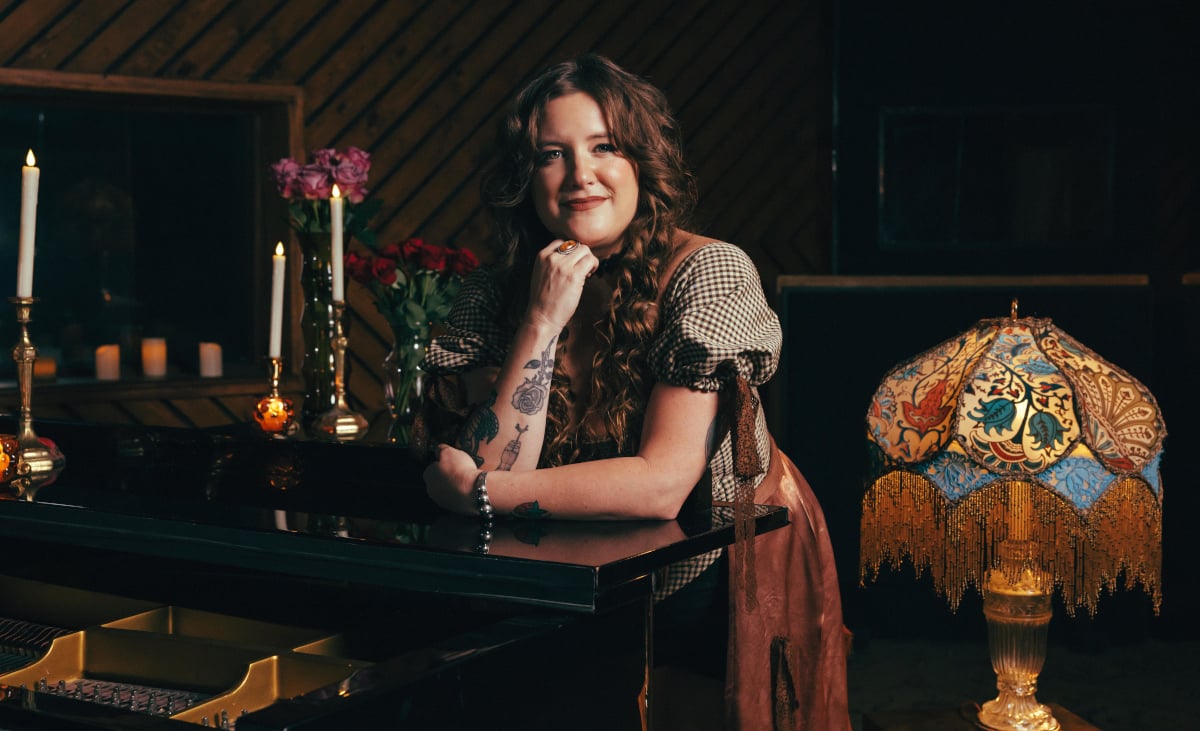
One of the album’s standout lyrical achievements is “Movin’ Out,” a soulful, Muscle Shoals-inspired track that explores the quiet finality of a relationship. The line, “When a woman starts thinking about moving out, she’s already gone,” has been highlighted by critics as a poignant piece of songwriting wisdom, delivered with a vocal performance that balances vulnerability with resolve.
The title track, “Swampwater,” ventures into darker territory, functioning as a murky, enchanting trip into the mystery of the marshlands. The song’s atmospheric production and ambiguous lyrics allow for interpretations ranging from a simple ode to the landscape to a subtle murder ballad. This versatility in storytelling is a hallmark of Plaisance’s growth as a writer, moving beyond the simple "heartbreak and honky-tonks" narrative to explore the "quagmire" of the human condition.
The Role of The Yeah You Right Boys and Collaboration
The contribution of Plaisance’s backing band, The Yeah You Right Boys, cannot be overstated. The chemistry developed through years of residency work in Austin is evident in the tight, telepathic communication between the instruments. The rhythm section provides a foundational "thump" that is essential for the swamp-pop influence, while the lead instruments weave around Plaisance’s piano melodies with precision.
Jonathan Tyler’s production choices emphasize the "vibe" of the room, often prioritizing feel over clinical perfection. This approach aligns with the "old soul" aesthetic Plaisance has cultivated. By capturing the raw energy of the band, Tyler has ensured that Swampwater feels like a living, breathing entity rather than a manufactured studio product.
Broader Impact and Implications for the Genre
The release of Swampwater comes at a time when the "Texas Country" and "Americana" genres are undergoing a period of diversification. As the "cookie-cutter" sounds of mainstream radio continue to face criticism for a lack of regional character, artists like Paige Plaisance are leading a movement back toward localized, high-character music.
The album’s success—evidenced by an initial critical rating of 8.1/10—suggests a growing appetite for music that is "distinct and faraway" from the homogenized American experience. By successfully blending the "Gulf and Western" sound with R&B and Honky Tonk, Plaisance has provided a blueprint for how independent artists can leverage their heritage to create something entirely new.
Furthermore, the "Swampytonkin’" movement has implications for the Austin music economy. Plaisance’s integration of fashion, lifestyle, and music at venues like Sagebrush represents a holistic approach to artistry that engages audiences on multiple levels. This model of "community-centric" artistry is becoming increasingly vital for independent musicians navigating the digital age.
Conclusion: A Definitive Southern Statement
Swampwater is more than just a collection of songs; it is a sonic exploration of the cultural currents that flow between the Mississippi and the Colorado rivers. Paige Plaisance has delivered a record that is swampy, groovy, and undeniably country, standing as a testament to the enduring power of regional roots. Through her collaboration with Jonathan Tyler and The Yeah You Right Boys, she has solidified her position as a premier architect of the modern Southern sound.
As the album circulates through streaming platforms and live venues, its influence is expected to grow, potentially inspiring a new wave of artists to look toward the "murky" intersections of genre for inspiration. For now, Swampwater remains a "total vibe," taking listeners on a journey through the mystery of the marshlands and the neon glow of the honky-tonk, proving that in the world of Paige Plaisance, the most fertile ground is often found where the river meets the road.