The intersection of contemporary Christian music and mainstream country has reached a new milestone with the release and subsequent critical acclaim of The Jesus I Know Now, a collaborative effort between worship leader Brandon Lake and country music sensation Lainey Wilson. Originally released in April, the track has rapidly ascended from a niche spiritual anthem to a culturally significant piece of art that explores the complexities of religious deconstruction, the pitfalls of fame, and the pursuit of a more personal, grace-centered faith. Written by Lake and Wilson alongside seasoned Nashville songwriters Emily Weisband and Luke Laird, the song emerged from a candid conversation regarding the artists’ shared experiences with legalistic religious upbringing and the misconceptions surrounding the character of Jesus Christ.
The Genesis of a Spiritual Narrative
The creative process behind The Jesus I Know Now was rooted in a shared desire to address the "false teachings" and rigid doctrinal structures that many individuals encounter during their formative years. Brandon Lake, who has become a prominent figure in the modern worship movement, and Lainey Wilson, the reigning queen of contemporary country, found common ground in their respective journeys of faith. The song serves as a lyrical bridge between the "angry" deity often depicted in strict religious environments and the "friend of misfits" described in the New Testament.
In the opening verse, Lake articulates a sentiment common among those who have felt alienated by traditional church culture. He describes a version of Jesus characterized by anger and a demand for silence and conformity. The lyrics detail a checklist of perceived sins—drinking, smoking, and cursing—that were once presented as definitive markers of a "long black train to Hell." This specific reference pays homage to country music’s long history of exploring sin and redemption, echoing the themes found in classic tracks like Josh Turner’s "Long Black Train," while simultaneously challenging the fear-based theology that often accompanies such narratives.
Deconstructing Fame and Finding Authenticity
Lainey Wilson’s contribution to the track provides a poignant look at the intersection of professional success and spiritual emptiness. Wilson, whose career has seen a meteoric rise including multiple CMA Awards and a Grammy for Best Country Album, uses her solo verse to admit the isolation that can occur at the "top of the world." She reflects on the surreal experience of hearing her music on the radio—a lifelong dream—only to find that earthly accolades were insufficient to fill an internal void.
This admission of reaching "rock bottom" while at the peak of her career offers a rare moment of vulnerability in the mainstream music industry. Wilson’s lyrics describe a "longing to know" a deeper presence, eventually leading her back to a version of faith that prioritizes relationship over ritual. The chorus reinforces this shift, describing a Jesus who is not merely a "voice up there in the clouds" or a figure looking for "trophies," but rather a companion who "listens, forgives, and forgives again."
Industry Recognition and the 57th Annual GMA Dove Awards
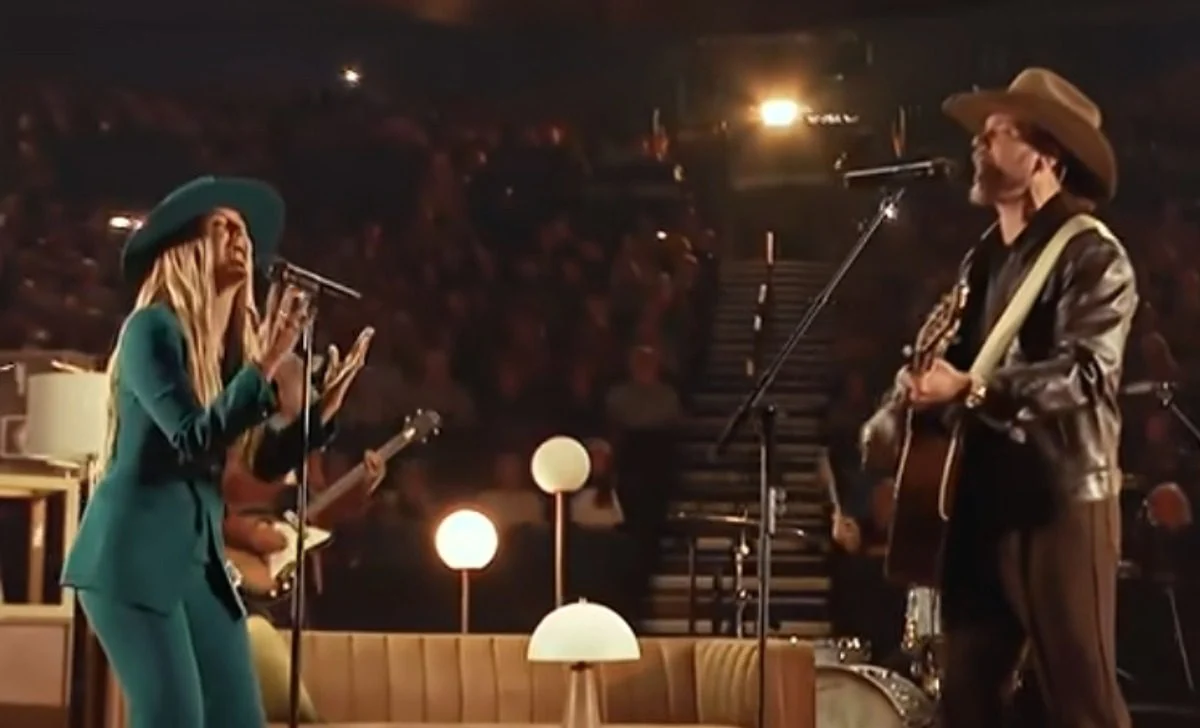
The impact of the collaboration was formally recognized at the 57th Annual GMA Dove Awards, where Lake and Wilson were honored with the award for Country/Roots Recorded Song of the Year. The Dove Awards, which celebrate excellence in Christian and Gospel music, provided a platform for the duo to perform the song for only the second time in a live setting. The performance was widely regarded as a highlight of the ceremony, showcasing the natural vocal chemistry between Lake’s soulful worship style and Wilson’s signature Louisiana "twang."
The win marks a significant moment for both artists. For Brandon Lake, it solidifies his status as a bridge-builder between the CCM (Contemporary Christian Music) world and the broader music industry. For Lainey Wilson, the award underscores her versatility and her willingness to remain outspoken about her faith, even as she occupies a massive platform in mainstream pop culture. Industry analysts suggest that Wilson’s involvement in the project has introduced Christian music to a demographic that might otherwise not engage with the genre.
The Broader Trend of Country-Christian Crossovers
The success of The Jesus I Know Now is indicative of a larger trend within the music industry. Over the past several decades, the boundaries between country and Christian music have become increasingly porous. This crossover is rooted in the shared cultural heritage of the American South and Midwest, where church and community life are often inextricably linked.
Brandon Lake has been at the forefront of this movement. Prior to his work with Wilson, Lake gained significant traction with his hit "Gratitude," which crossed over into various formats. His collaborative portfolio includes "Hard Fought Hallelujah" with Jelly Roll—another artist known for blending genres and discussing themes of redemption—and the 2026 release "When A Cowboy Prays" with Cody Johnson. These collaborations suggest a strategic effort to bring spiritual themes into the mainstream country dialogue, moving away from "preachy" tropes in favor of raw, honest storytelling.
Data from the mid-2020s suggests that this trend is yielding significant commercial results. In May 2025, for the first time in over a decade, two Christian-themed songs appeared simultaneously on the Billboard Hot 100 chart. These included Forrest Frank’s viral hit "Your Way’s Better" and Lake’s collaboration with Jelly Roll. This shift in the charts indicates a growing appetite among general audiences for music that addresses spiritual longing and personal growth.
Chronology of the Collaboration
The timeline of The Jesus I Know Now reflects a steady build of momentum:
- Early 2024: Brandon Lake and Lainey Wilson meet with songwriters Emily Weisband and Luke Laird to discuss their personal faith journeys, leading to the writing of the song.
- April 2024/2025: The single is officially released to streaming platforms and Christian radio, receiving immediate praise for its lyrical depth.
- Summer 2025: The song begins to gain traction on country radio and social media platforms, with Wilson’s verse about "empty hearts" resonating with a wide audience.
- Autumn 2025/2026: The track is nominated for and subsequently wins the Country/Roots Recorded Song of the Year at the 57th Annual GMA Dove Awards.
- Post-Award Recognition: The live performance from the Dove Awards goes viral, further cementing the song’s status as a definitive crossover hit.
Analysis of the Song’s Implications
The cultural significance of The Jesus I Know Now extends beyond its chart performance. It represents a shift in how faith is discussed in the public square. By moving away from the "us vs. them" mentality that has historically characterized some religious music, Lake and Wilson have created a space for "misfits" and those who have felt excluded by traditional religious institutions.
From a marketing perspective, the collaboration demonstrates the power of authentic partnership. Unlike many "label-driven" collaborations that feel forced, the connection between Lake and Wilson appears rooted in genuine shared experience. This authenticity is a valuable currency in a music industry often criticized for being overly manufactured.
Furthermore, the song’s success hints at a potential future direction for Lainey Wilson’s career. Having grown up in the church and maintained a vocal stance on her beliefs, Wilson has been the subject of speculation regarding a potential full-length gospel or Christian album. Such a move would follow in the footsteps of country legends like Alan Jackson, Josh Turner, and Reba McEntire, all of whom have released highly successful religious projects.
Conclusion and Future Outlook
As the music industry continues to evolve, the success of The Jesus I Know Now serves as a case study in the enduring power of spiritual narrative. The song has managed to navigate the complexities of modern religion while remaining accessible to a broad audience. It highlights a Jesus who is characterized by empathy and forgiveness rather than judgment and exclusion—a message that has clearly found a receptive audience in an increasingly polarized world.
For Brandon Lake, the project reinforces his role as a leading voice in a new era of Christian music that prioritizes honesty and cross-genre collaboration. For Lainey Wilson, it adds another layer to her multifaceted public persona, proving that her "heart like a truck" is also a heart deeply rooted in faith. As both artists continue to dominate their respective fields, the legacy of this collaboration is likely to influence the direction of Nashville songwriting for years to come, encouraging more artists to explore the intersection of their public success and their private spiritual lives.