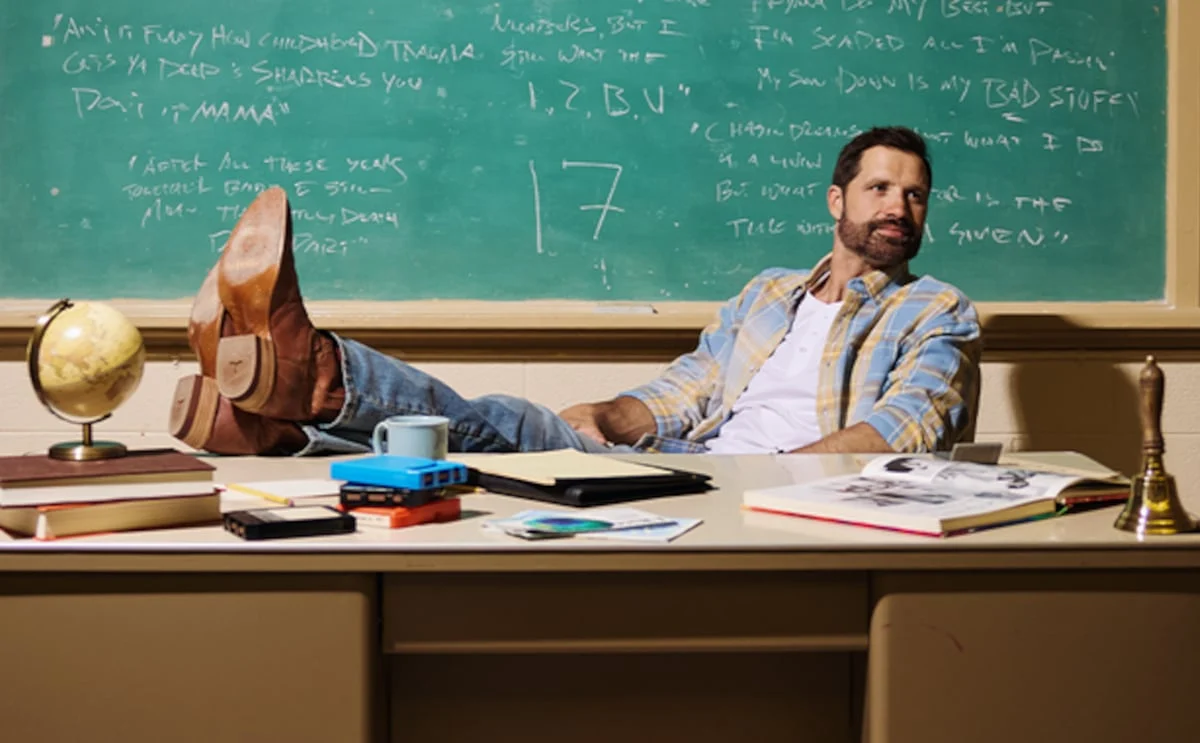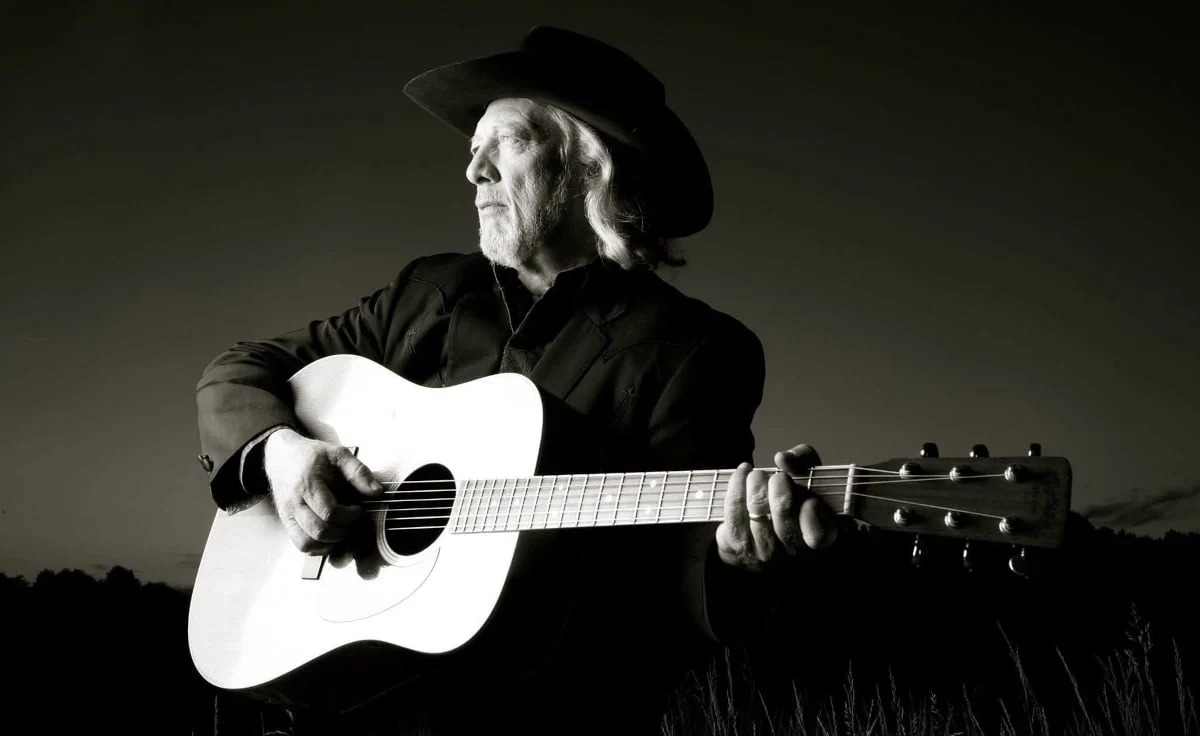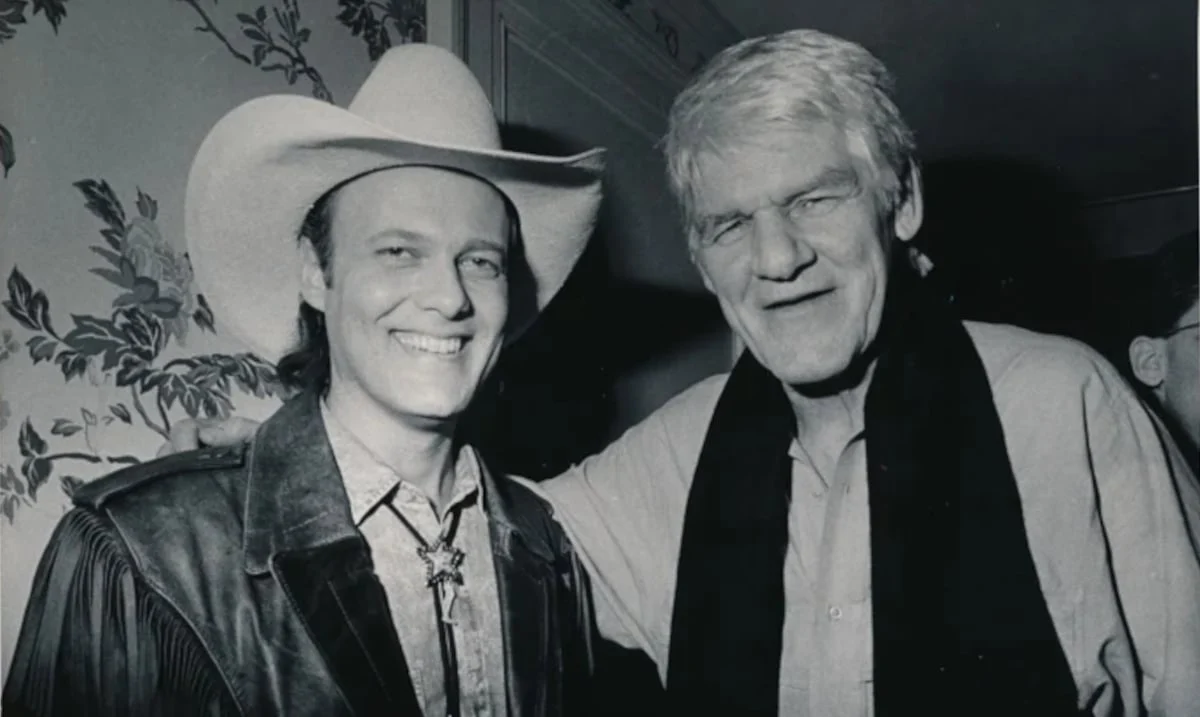
The history of country music is often defined not by the novelty of new compositions, but by the endurance of timeless narratives that find new life across different generations. On October 14, 1986, exactly four decades ago, a pivotal moment in this cycle occurred when Ricky Van Shelton entered the studio to record his rendition of "Life Turned Her That Way." While the song had already circulated through the Nashville circuit for over twenty years, Shelton’s version would eventually become the definitive recording, bridging the gap between the traditionalist roots of the 1960s and the massive commercial neotraditionalist movement of the late 1980s. Written by Harlan Howard, often referred to as the "Dean of Nashville Songwriters," the track exemplifies the "three chords and the truth" philosophy that remains the foundational bedrock of the genre.
The Genesis of a Country Standard
To understand the impact of Shelton’s 1986 recording, one must look back to the mid-1950s and the personal life of its creator. Harlan Howard was a master of capturing the human condition, particularly the nuances of heartbreak and regret. The inspiration for "Life Turned Her That Way" was deeply rooted in Howard’s own marriage to country singer Jan Howard. The couple met in California in 1957; Jan was a single mother of three at the time, struggling to find her footing. Their subsequent marriage and professional partnership were marked by both creative brilliance and personal volatility.
By 1965, as the marriage began to fracture, the themes of the song began to take shape. The lyrics describe a woman who has been hardened by the circumstances of her life and the men who mistreated her. In a moment of rare songwriting vulnerability, Howard placed the blame not on the woman’s character, but on the cumulative weight of her experiences, concluding with the haunting admission: "I hate to admit it, but the last footprint’s mine." This level of self-indictment was revolutionary in an era where songs often painted one party as the hero and the other as the villain.
A Chronology of Early Interpretations
Before Ricky Van Shelton transformed the song into a chart-topping hit, "Life Turned Her That Way" underwent a long period of gestation through various legendary voices. Each artist who tackled the song added a layer to its legacy, though none quite captured the public’s imagination as a singular, definitive performance until the mid-80s.
The first artist to bring the song to the public was Grand Ole Opry star "Little" Jimmy Dickens in 1965. Dickens, primarily known for his novelty hits and high-energy stage presence, gave the song a traditional treatment, but it failed to make a significant dent in the national charts. It wasn’t until 1967 that the song saw its first major commercial success when Mel Tillis released his version. Tillis brought a smoother, more melodic approach to the track, peaking at number 11 on the Billboard Country Singles chart.
Following the success of the Tillis version, the floodgates opened. In 1967 alone, two of the greatest vocalists in the history of the genre, Charley Pride and George Jones, recorded their own interpretations. Pride’s version showcased his smooth, resonant baritone, while Jones, as was his custom, leaned into the pathos and emotional fragility of the lyrics. Other icons soon followed, including Ernest Tubb, Willie Nelson, and Conway Twitty. By the end of the 1970s, "Life Turned Her That Way" was considered a standard—a song that every serious country singer was expected to know, yet one that seemed to have already reached its commercial ceiling.
The 1986 Recording Sessions and the Neotraditionalist Shift
By the mid-1980s, the country music landscape was in a state of flux. The "Urban Cowboy" era of the early 1980s, characterized by pop-crossover attempts and polished production, had begun to fade. A new wave of artists, later dubbed neotraditionalists, was emerging. Led by figures like George Strait and Randy Travis, this movement sought to strip away the synthesizers and return to the fiddle, steel guitar, and honest storytelling of the past.
Ricky Van Shelton was a central figure in this restoration. Working with producer Steve Buckingham, Shelton looked for material that felt authentic and timeless. When they selected "Life Turned Her That Way" for Shelton’s debut album, Wild-Eyed Dream, they were making a deliberate statement. Rather than attempting to modernize the song with contemporary rock influences or 80s-style production flourishes, Buckingham and Shelton opted for a "straight" delivery.
The recording session on October 14, 1986, focused on Shelton’s powerhouse vocals. Shelton possessed a voice that was both rugged and refined, capable of hitting high notes with a clarity that recalled the greats of the 1950s. By staying true to the original arrangement while utilizing modern studio clarity, Shelton managed to make a 21-year-old song sound fresh to a new generation of listeners who were hungry for "real" country music.
Statistical Impact and Commercial Success
The gamble to lead with a cover of a well-known standard paid off immensely. Released as a single in late 1987, Shelton’s version of "Life Turned Her That Way" did what no previous version had: it climbed to number one on the Billboard Hot Country Songs chart. This success was a bellwether for the industry, proving that "old" songs could still be massive hits if paired with the right voice and a respectful production style.
The success of the single propelled Shelton’s debut album, Wild-Eyed Dream, to Platinum status, making him one of the first new artists of the late 80s to achieve such a feat. The album eventually yielded several other hits, including "Somebody Lied" and another cover, Roger Miller’s "Don’t We All Have the Right."
Data from the era suggests that Shelton’s success helped pave the way for the "Class of ’89," which included future legends like Garth Brooks, Alan Jackson, and Clint Black. While Shelton is sometimes overshadowed in historical retrospectives by Brooks or Jackson, his chart dominance between 1986 and 1992—during which he secured ten number-one hits—was instrumental in stabilizing the genre’s identity during a period of transition.
Musical Analysis: Three Chords and the Truth
The technical structure of "Life Turned Her That Way" provides a case study in effective songwriting. Harlan Howard famously defined country music as "three chords and the truth," and this song is perhaps the purest realization of that maxim. While the song primarily utilizes a G-C-D chord structure, Howard subtly introduced G7 and D7 chords to create tension and resolution that mirrors the emotional arc of the lyrics.
The simplicity of the melody is what allows the lyrics to take center stage. The song does not rely on a complex bridge or instrumental pyrotechnics. Instead, it relies on the repetition of the chorus to hammer home its central thesis: empathy for the broken. In the context of 1986, this simplicity stood in stark contrast to the over-produced tracks that still lingered on the airwaves, providing a palette cleanser for the country radio audience.
The Broader Implications for Country Music History
The 40th anniversary of this recording serves as a reminder of the cyclical nature of the music industry. Just as Willie Nelson took Fred Rose’s 1940s composition "Blue Eyes Crying in the Rain" to the top of the charts in 1975, and Chris Stapleton reimagined George Jones’s "Tennessee Whiskey" decades later, Ricky Van Shelton proved that a great song is never truly "finished."
Shelton’s retirement from the music industry in the early 2000s to focus on his family and personal life has perhaps contributed to a slight dip in his name recognition among younger fans. However, music historians and industry analysts point to the 1986 sessions as a crucial turning point. It validated the "catalog" approach to A&R (Artists and Repertoire), encouraging labels to look into the vast archives of Nashville’s publishing houses rather than chasing fleeting trends.
Furthermore, the song’s origins—the dissolution of the Howard marriage—highlight the historical importance of Jan Howard. Often marginalized as a "supporting character" in Harlan’s story, Jan was a formidable artist in her own right. The fact that her life story inspired one of the most covered songs in history underscores the deep, often painful intersections between personal life and art that define the Nashville songwriting tradition.
Conclusion: A Timeless Resonance
As the industry looks toward 2027 and beyond, "Life Turned Her That Way" remains a staple of the American songbook. Its themes of regret, the passage of time, and the unintended consequences of one’s actions are as relevant today as they were in 1965 and 1986. Ricky Van Shelton’s recording stands as a monument to a specific moment in time when country music rediscovered its soul by looking backward to move forward.
The enduring popularity of the track, which continues to garner millions of streams and remains a favorite for aspiring artists on reality singing competitions, confirms that the "truth" Harlan Howard wrote about is universal. Whether it is heard through the crackle of a 1960s radio or a digital stream in 2026, the song serves as a definitive example of how life, in all its hardship and beauty, turns us all into the people we eventually become.