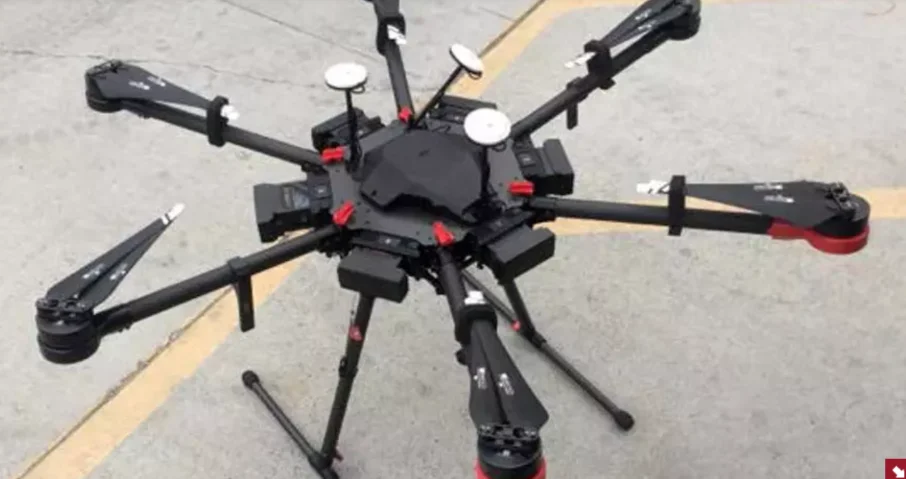
A bipartisan group of Capitol Hill lawmakers convened a House Homeland Security subcommittee hearing on Tuesday, July 9, 2024, to address the increasingly sophisticated and pervasive threat posed by Mexican cartels utilizing fleets of drones to transport illicit drugs and weapons across the U.S. southern border. The urgent session aimed to thoroughly understand the extensive scope of these remote-controlled aerial operations by transnational criminal organizations and to identify viable technological countermeasures capable of preventing these devices from penetrating American sovereign territory. The proceedings highlighted a stark and alarming disparity in capabilities, with law enforcement officials and drone technology executives testifying to the profound vulnerability of U.S. airspace to these foreign incursions, underscoring that wealthy Mexican cartels now possess significantly more unmanned aerial vehicles (UAVs) than the U.S. Border Patrol has effective detection equipment.
The hearing served as a critical platform for lawmakers to grasp the evolving nature of border security challenges. Representative Dale Strong, an Alabama Republican, articulated the gravity of the situation, stating, "It is my understanding, for every drone flown by border security, the Mexican cartel is flying 17 drones." This staggering ratio paints a vivid picture of the technological imbalance currently favoring criminal enterprises. Rep. Strong further detailed the cartels’ operational reach, noting, "Data shows the Mexican cartel are flying drones greater than 30 miles into U.S. airspace, landing and offloading drugs on U.S. soil — fentanyl, heroin, cocaine, marijuana and the list continues." This capability to penetrate deep into American territory, bypass traditional border defenses, and deliver high-value, lethal cargo like fentanyl represents a significant escalation in the ongoing struggle against illicit trafficking.
The Alarming Scale of Cartel Drone Operations
The statistic presented by Rep. Strong — a 17:1 ratio of cartel drones to Border Patrol drones — is not merely an anecdotal observation but reflects a deeply concerning operational reality. This numerical advantage allows cartels to conduct multiple simultaneous incursions, overwhelming limited U.S. interdiction resources and exploiting vast stretches of the border that lack comprehensive surveillance. These aren’t hobbyist drones; cartels are known to invest in commercial-grade, modified UAVs capable of carrying substantial payloads, often exceeding several kilograms. Such drones can be equipped with enhanced GPS navigation, extended battery life, and even rudimentary evasion programming, making them difficult to track and intercept. The ability to fly over 30 miles into U.S. airspace signifies a strategic shift, enabling cartels to bypass immediate border zones, which are typically the most heavily monitored, and drop their illicit cargo in less scrutinized, often remote, interior locations for subsequent ground retrieval. The list of drugs smuggled — fentanyl, heroin, cocaine, and marijuana — represents a comprehensive cross-section of the illicit drug market, with fentanyl being of particular concern due to its extreme potency and role in the ongoing opioid crisis gripping the United States.
A Shifting Landscape: The Evolution of Smuggling Tactics
The adoption of drones marks a significant evolutionary leap in cartel smuggling methodologies. For decades, transnational criminal organizations have continuously adapted their tactics, moving from rudimentary human mules and simple vehicle concealment to elaborate cross-border tunnels, sophisticated maritime vessels, and increasingly, aerial platforms. The allure of drones for cartels is multifaceted: they offer speed, stealth, and a reduced risk to human assets. Unlike human couriers or vehicles, a drone’s loss represents a minimal economic setback rather than a human casualty or arrest.
Early instances of drone use by cartels were often opportunistic and less sophisticated, involving smaller, off-the-shelf models for surveillance or light payload delivery. However, over the past five to seven years, there has been a noticeable trend towards larger, more robust, and custom-modified drones. Reports from U.S. Customs and Border Protection (CBP) indicate a steady increase in drone sightings and interdictions along the southern border. While precise statistics on drone-related drug seizures can be challenging to disaggregate from overall seizures, the anecdotal evidence from agents on the ground and intelligence reports consistently point to drones becoming an integral part of the cartel logistics network. The relative ease of acquiring commercial drone technology, coupled with its decreasing cost and increasing capabilities, has made it an attractive and efficient tool for bypassing traditional physical barriers and surveillance systems.
Vulnerabilities in U.S. Airspace and Detection Gaps
The testimony at the hearing painted a stark picture of the technological asymmetry at the border. The U.S. Border Patrol, despite its dedication and efforts, faces significant challenges in detecting and interdicting these small, low-flying, and often stealthy UAVs. Traditional radar systems, typically designed to detect larger aircraft, struggle with the small radar cross-section of commercial drones. While some advanced ground-based radar systems are being deployed, their coverage remains patchy along the vast 1,954-mile border. Other detection methods, such as electro-optical/infrared (EO/IR) sensors and acoustic sensors, also have limitations, including range, weather dependency, and the need for line-of-sight.
Moreover, even when detected, interdicting these drones presents a complex legal and operational challenge. Federal law prohibits the unauthorized use of counter-drone technology by most entities, including state and local law enforcement, due to concerns about interference with legitimate airspace operations and potential collateral damage. While federal agencies like DHS and DoD have been granted some authorities, the deployment of effective, integrated counter-drone systems across the entire border is hampered by budgetary constraints, technological maturity, and complex jurisdictional issues involving the Federal Aviation Administration (FAA). The lack of a comprehensive, layered defense system leaves vast swathes of U.S. airspace vulnerable to these incursions, allowing cartels to operate with a relatively low risk of interception.
The Fentanyl Crisis and Public Health Implications
The drone threat is inextricably linked to the devastating fentanyl crisis that continues to claim tens of thousands of American lives annually. Fentanyl, a synthetic opioid 50 to 100 times more potent than morphine, is primarily manufactured in Mexico using precursor chemicals largely sourced from China. Cartels are the primary distributors, and their adoption of drones as a smuggling vector significantly complicates efforts to stem the flow of this deadly substance. The small size and high potency of fentanyl mean that even relatively small drone payloads can carry enough doses to be lethal to hundreds, if not thousands, of individuals.
In fiscal year 2023, CBP seized over 27,000 pounds of fentanyl at the border, a figure that only represents what was caught. While a specific breakdown of drone-smuggled fentanyl is not publicly available, intelligence suggests a growing portion of this deadly drug is being transported via aerial means, particularly in areas where traditional checkpoints are more stringent. The ease with which drones can deliver fentanyl directly into communities further exacerbates the public health crisis, bypassing checkpoints and potentially reaching interior distribution networks more rapidly. This direct link between advanced smuggling techniques and the nation’s public health emergency adds another layer of urgency to the calls for robust countermeasures.
Beyond Drugs: Weapons and National Security Concerns

While drug smuggling remains the primary concern, the potential for drones to transport weapons introduces a grave national security dimension. The hearing highlighted that cartels are not only moving narcotics but also firearms, ammunition, and potentially other illicit items that could destabilize border regions or fall into the hands of other criminal or even terrorist organizations within the U.S. The thought of sophisticated weapons being delivered undetected into American communities raises profound questions about public safety and national security.
Furthermore, drones can be utilized for purposes beyond direct payload delivery. They offer formidable capabilities for surveillance and reconnaissance, allowing cartels to map out Border Patrol routes, identify gaps in security, and monitor law enforcement activities. This intelligence-gathering capability provides a significant tactical advantage to criminal organizations. There are also broader implications for critical infrastructure security. While not yet widely reported, the possibility of drones being used to target or disrupt vital U.S. infrastructure, or for more insidious acts of terrorism, cannot be entirely discounted given their increasing sophistication and availability. The technology, once mastered for illicit trafficking, could theoretically be adapted for more destructive purposes, posing a long-term threat to homeland security.
Legislative Calls for Advanced Countermeasures
In response to the escalating threat, lawmakers at the hearing voiced strong demands for a more proactive and technologically advanced approach. Calls were made for increased funding allocations to federal agencies like DHS and CBP to acquire and deploy state-of-the-art counter-drone technologies. There was a consensus on the need for expedited research and development into new detection, tracking, and interdiction systems that are specifically tailored to the unique challenges posed by small, low-flying UAVs. Lawmakers emphasized that a reactive stance is no longer sufficient; a comprehensive national strategy is required.
Such a strategy would likely involve a multi-layered defense system, incorporating a combination of radar, acoustic, and optical sensors, alongside active interdiction technologies such as electronic jamming, kinetic solutions (like net guns or projectile systems), and potentially cyber-based countermeasures. The complex legal framework surrounding counter-drone operations also needs urgent review, with calls for legislation that grants federal agencies clearer authority and operational guidelines for neutralizing threats without impeding legitimate airspace users. This includes addressing jurisdictional overlaps between DHS, the Department of Defense (DoD), and the FAA to ensure seamless and effective response capabilities.
The Role of Technology and Industry Perspectives
Drone technology executives present at the hearing underscored both the capabilities of existing counter-drone solutions and the challenges in their widespread deployment. They highlighted systems capable of detecting drones through radio frequency (RF) analysis, radar, and optical tracking. Interdiction technologies discussed included RF jamming, which disrupts the drone’s communication with its operator, forcing it to land or return home; kinetic solutions that physically bring down the drone; and even sophisticated cyber tools that can take control of a rogue UAV.
However, industry experts also pointed out the significant hurdles. Cost remains a major factor, as advanced counter-drone systems can be expensive to procure, install, and maintain across vast border areas. There are also concerns about collateral damage, particularly with jamming solutions that could affect legitimate communications or GPS signals. The rapid pace of drone technology development means that counter-drone systems must constantly evolve, requiring continuous investment in research and innovation. Collaboration between government agencies, academia, and the private sector was stressed as crucial for developing and deploying effective solutions that can keep pace with cartel innovation.
Interagency Coordination and International Diplomacy
Effectively combating the drone threat requires not only technological prowess but also robust interagency coordination and strong international diplomacy. Within the U.S., enhanced intelligence sharing and operational collaboration between Border Patrol, the Drug Enforcement Administration (DEA), Immigration and Customs Enforcement (ICE), the Federal Bureau of Investigation (FBI), and other federal, state, and local partners are paramount. A unified command structure and seamless information flow are essential for identifying patterns, tracking cartel networks, and executing coordinated interdiction efforts.
Internationally, cooperation with Mexican authorities is absolutely critical. The problem originates south of the border, and any long-term solution must involve collaborative efforts with Mexico to disrupt cartel operations, interdict precursor chemicals, dismantle drone assembly points, and apprehend key traffickers. This requires sustained diplomatic engagement, intelligence sharing agreements, and potentially joint operational initiatives to target the source of the drone threat. Without effective partnerships with Mexico, U.S. efforts on its side of the border will always be playing catch-up to a constantly adapting adversary.
Resource Allocation and Future Outlook
The testimony and discussions at the hearing underscored a clear imperative for increased resource allocation to address this escalating threat. Federal agencies will require significant budgetary enhancements not only for technology acquisition but also for training personnel, developing sophisticated intelligence analysis capabilities, and establishing effective operational protocols. The "cat-and-mouse game" between law enforcement and criminal organizations is a constant reality, and the cartels’ adoption of drones demonstrates their willingness to invest in advanced technology to achieve their illicit goals.
The long-term strategy must involve a layered defense that combines advanced detection and interdiction technologies with robust intelligence gathering, proactive law enforcement operations, and sustained international cooperation. Merely reacting to each new cartel innovation will not suffice. The U.S. must develop a forward-looking strategy that anticipates future threats and invests in next-generation counter-drone capabilities. The ultimate goal is not just to intercept individual drones but to dismantle the entire illicit drone smuggling infrastructure, thereby safeguarding national security and protecting American communities from the deadly flow of drugs and weapons. The bipartisan concern expressed in Congress signifies a growing recognition that this is not merely a border issue, but a complex challenge demanding a comprehensive and sustained national response.