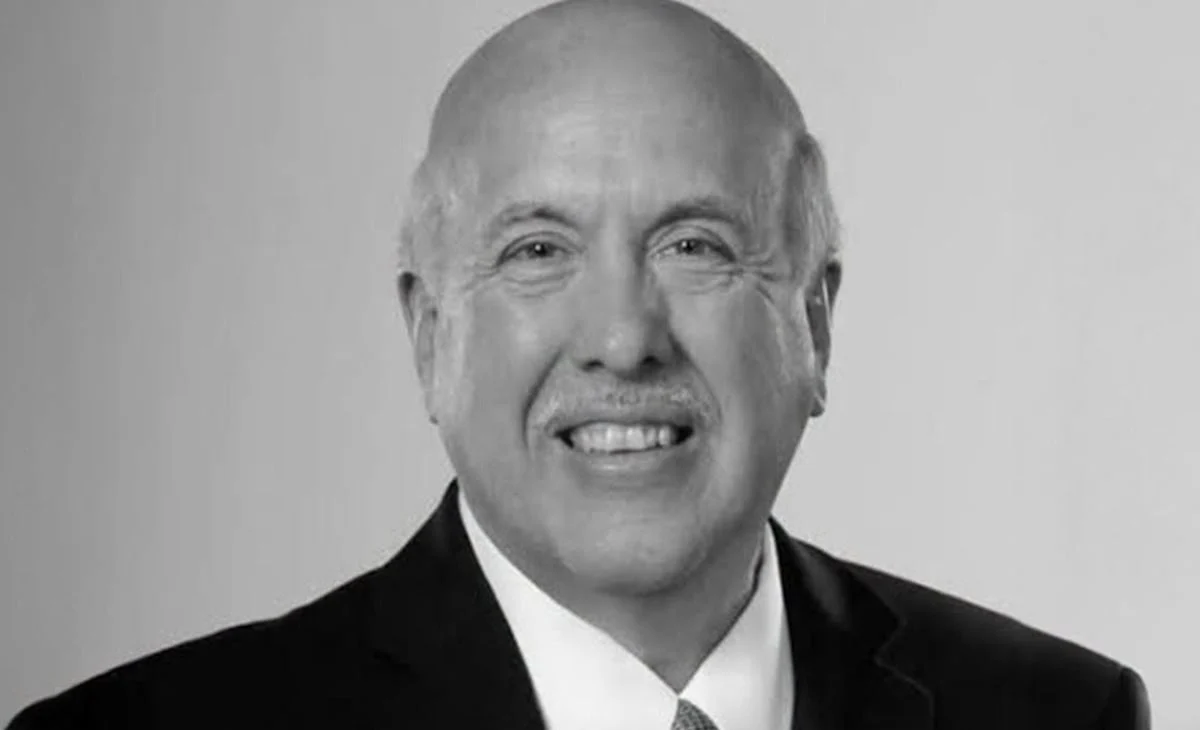
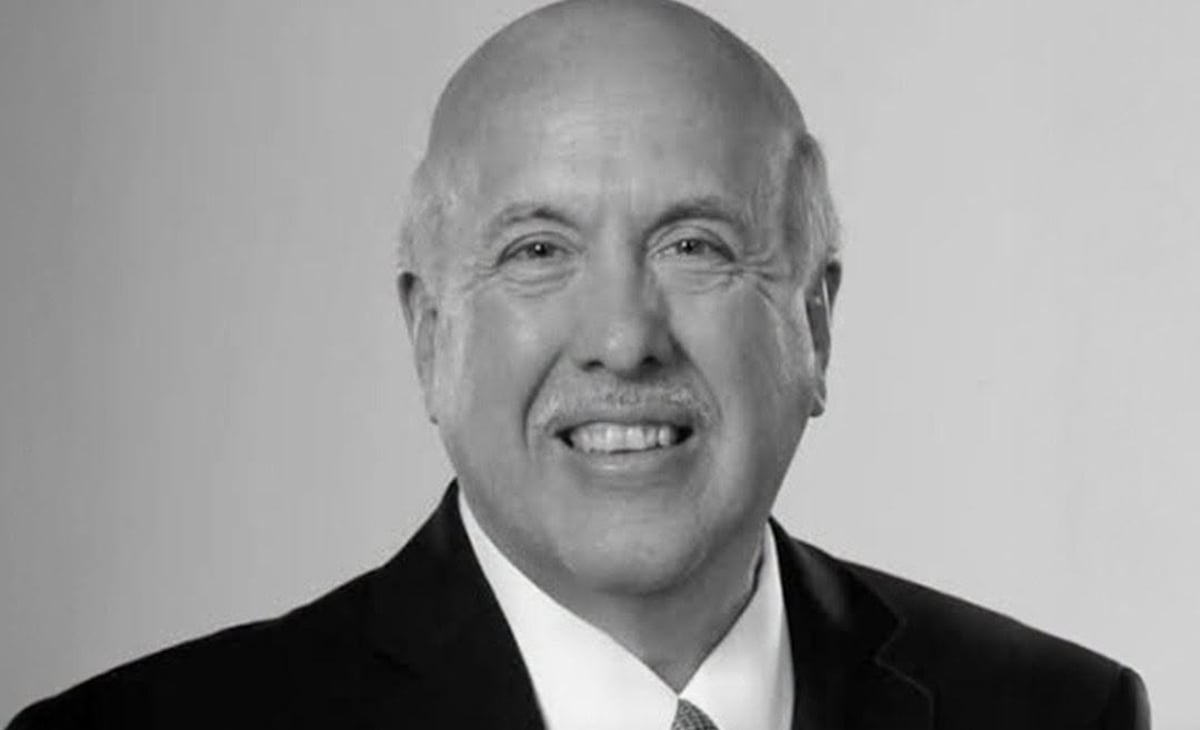
Jimmy Carter, the veteran broadcaster and journalist whose career spanned more than half a century and left an indelible mark on the country music industry, passed away on Tuesday, October 13, 2026. He was 73 years old, just two days shy of his 74th birthday. Known for his sharp wit, uncompromising integrity, and deep connections within the Nashville entertainment landscape, Carter occupied a unique space in media where he was as much a respected peer to the stars as he was a reporter of their lives. While he shared a name with the 39th President of the United States—a fact that provided a lifelong source of humor and occasional professional confusion—in the world of country music, he was the definitive Jimmy Carter.
His death marks the end of an era for Nashville broadcast journalism. Carter was a fixture of the "Golden Age" of local television and nationally syndicated entertainment news, a period characterized by personality-driven reporting that prioritized accuracy and industry insight over the rapid-fire, often superficial nature of modern social media cycles. His colleagues and the artists he covered remember him as a man who refused to be a "brown noser," opting instead for an authoritative and often humorous perspective that earned him the trust of the industry’s most guarded figures.
Early Life and the Foundations of a Broadcast Career
Born in Montgomery, Alabama, on October 15, 1952, Jimmy Carter’s fascination with the airwaves began in his early teens. By the age of 15, he was already a familiar face at his local rock radio station, absorbing the technical and performance aspects of broadcast media. This early immersion provided him with a foundational understanding of the medium that would serve him throughout his diverse career.
After graduating from high school—where his classmates famously voted him "wittiest in his class," a trait that would later define his television persona—Carter enrolled at Auburn University. His timing was fortuitous, as he arrived just as the university was developing its campus radio station, WEGL-FM. Carter played a pivotal role in the station’s early development, honing his skills as a communicator and programmer. Upon graduation, he transitioned into professional radio, working at various stations before making the jump to television, a move that would eventually lead him to the highest echelons of sports and news production.
A Versatile Portfolio: From Wide World of Sports to Hard News
Before becoming synonymous with Nashville’s entertainment scene, Carter built a formidable resume in mainstream news and sports. He spent a significant portion of his early career with ABC TV Sports, contributing to the iconic "Wide World of Sports" program. This experience in high-pressure, live-event broadcasting prepared him for the rigors of news production.
His career path took him through several major markets and networks. He served as a news producer at NBC’s Birmingham, Alabama affiliate and later moved to Texas, where he took on the role of Executive Producer at the CBS affiliate in Houston. His versatility was one of his greatest professional assets; he was equally comfortable covering NASA space shuttle launches, complex civil rights issues, and children’s programming.
However, it was in Nashville where Carter truly found his calling. As the Executive Producer at WSMV-TV Channel 4, he led the station to significant critical acclaim, eventually winning an Emmy Award for his work. His leadership at WSMV helped solidify the station’s reputation as a powerhouse for local news and entertainment in a city that was rapidly becoming the global epicenter of country music.
The Face of Country Music Journalism
In the 1980s, Carter transitioned into a more visible role as WSMV’s entertainment reporter. This position allowed him to merge his production expertise with his natural charisma. For decades, he was a staple on red carpets, at black-tie industry galas, and at the somber memorial services of country music legends. After a period in executive management, he returned to the field from 2003 to 2018, providing a bridge between the traditional era of Nashville media and the digital transition.
His influence extended far beyond the local Nashville market. Carter became a household name through his work on the nationally syndicated program Crook & Chase. On the show, he was celebrated not just for his insightful interviews with A-list celebrities like Clint Eastwood and Kevin Costner, but for his willingness to engage in comedy. His skits, elaborate costumes, and recurring gags made him a beloved figure among viewers who appreciated his ability to deliver news without taking himself—or the industry—too seriously.
Simultaneously, he was a regular voice on WSM’s Coffee, Country, and Cody, the morning show for the legendary radio station that serves as the home of the Grand Ole Opry. His presence on WSM further cemented his status as a "trusted insider" who possessed a deep historical knowledge of the genre.
A Legacy of Integrity: The 2011 ACM Controversy
One of the defining characteristics of Jimmy Carter’s journalism was his refusal to act as a public relations arm for record labels. He understood the "pay-to-play" nature of the industry and was often the only voice willing to call it out publicly.
A notable example of his candor occurred in 2011, following a controversial snub of Carrie Underwood at the Academy of Country Music (ACM) Awards. While other outlets offered standard platitudes, Carter provided a blunt assessment of the internal politics at play. He famously explained that award nominations were often "bragging rights" and "infomercials for the record label."
He went on to reveal the strategic decisions made behind closed doors, noting that because Underwood and Miranda Lambert were on the same label, the industry machinery had shifted its weight toward Lambert to bolster her career trajectory at that specific moment. This level of transparency was rare in Nashville and occasionally ruffled feathers, but it earned Carter the enduring respect of fans who valued honesty over industry spin.
Transition to Education and the Digital Age
As the media landscape underwent a seismic shift toward social media and short-form digital content, Carter’s traditional broadcast roles began to diminish. However, he remained a vital part of the Nashville community. He adapted by engaging with his long-time followers on Facebook, where his "pontifications" on the state of music and media continued to draw significant engagement.
In his later years, Carter dedicated himself to mentoring the next generation of industry professionals. He joined the faculty at Belmont University, teaching classes in music business, public relations, and artist management. At Belmont, he was able to pass on his decades of experience to students, emphasizing the importance of ethics, networking, and the "human element" of the entertainment business.
He often described himself as a "Jack of all trades and master of none," a modest self-assessment that belied his deep mastery of the communication arts. In reality, he was a master of the "Nashville story," understanding how to weave the personal narratives of artists into the broader cultural fabric of the American South.
Broader Impact and Implications
The passing of Jimmy Carter is reflective of a broader trend in the media industry: the disappearance of the "authoritative local voice." In an era dominated by nationalized news cycles and algorithmic content, the role of the local entertainment reporter who actually knows the subjects personally is becoming increasingly rare.
Carter’s career demonstrated that a journalist could be part of the community they covered without sacrificing their objectivity. He proved that humor and integrity were not mutually exclusive. His ability to navigate the egos of Music Row while remaining a champion for the audience’s right to know the truth remains a blueprint for entertainment journalism.
Furthermore, his death highlights the historical importance of stations like WSMV and WSM in the development of the Nashville "brand." These institutions relied on personalities like Carter to bridge the gap between the music industry and the public. As these figures pass away, the industry loses a portion of its institutional memory.
Final Tributes and Family
Jimmy Carter is survived by a large and loving family, including his daughters Michelle, Sara, and Mary Clark. He also leaves behind three granddaughters, two grandsons, and a great-grandson. His family has requested privacy during this time but noted that his wit and passion for storytelling remained with him until the very end.
Tributes from across the country music spectrum have begun to pour in, with artists, producers, and fellow journalists citing his "unmatched ear for a story" and his "fearless approach to the truth." While the name Jimmy Carter may always be associated with the presidency in the history books, in the neon-lit corridors of Nashville, it will forever belong to the man who told the city’s stories with a smile, a suit, and a sharp, honest tongue.