The development of a comprehensive and functional equine farm hinges on meticulous attention to detail, with the selection of pasture and paddock gates being a foundational yet often underestimated element. These seemingly simple structures play a critical role in the safety of horses, the longevity of farm infrastructure, and the overall economic viability of the operation. A thorough consideration of gate size, strategic placement, material composition, and secure latching mechanisms is paramount to creating an environment that is both efficient for farm management and, most importantly, secure for valuable equine residents.
Gate Size: Optimizing Access for Both Horses and Machinery
The recommended gate width for equine pastures is a critical factor that balances the needs of horse management with the operational requirements of maintaining the land. A 14-foot gate is widely considered the optimal width, providing ample clearance for essential agricultural machinery. This includes tractors for mowing, fertilizer trucks for soil enrichment, aerators for soil health, and chain drags for pasture maintenance. Without adequate width, routine maintenance becomes a logistical challenge, potentially leading to delays, increased labor costs, and compromised pasture quality.
Conversely, gates that are too narrow, such as the commonly found 12-foot models, can present significant obstacles. Access for most trucks, especially those carrying feed, equipment, or veterinary supplies, may be restricted or impossible without extensive maneuvering. This can lead to inefficiencies in daily operations and increased risk of damage to both the gate and the vehicles.
On the other end of the spectrum, gates exceeding 16 feet in width, while offering generous access, introduce their own set of challenges. These larger gates are inherently heavier, placing significant stress on hinges and posts. Over time, this can lead to sagging, misalignments, and premature wear and tear, ultimately increasing maintenance costs and compromising the gate’s ability to securely contain horses. The increased weight also makes them more difficult to operate manually, potentially leading to user fatigue and increased risk of injury during operation. Therefore, the 14-foot standard represents a pragmatic compromise, ensuring sufficient access for machinery without introducing undue structural strain or operational difficulties. This size also aligns with common agricultural standards, facilitating easier procurement and installation of compatible hardware.
Strategic Gate Placement: Enhancing Safety and Operational Efficiency
The location of pasture gates is as crucial as their size and construction, directly impacting horse safety, ease of movement, and the prevention of common management issues. Proximity to the barn is a primary consideration, minimizing the time and effort required for daily routines such as turning horses out or bringing them in. Shorter distances reduce the duration horses spend in potentially stressful situations, such as waiting at a gate, and decrease the overall workload for farm staff.

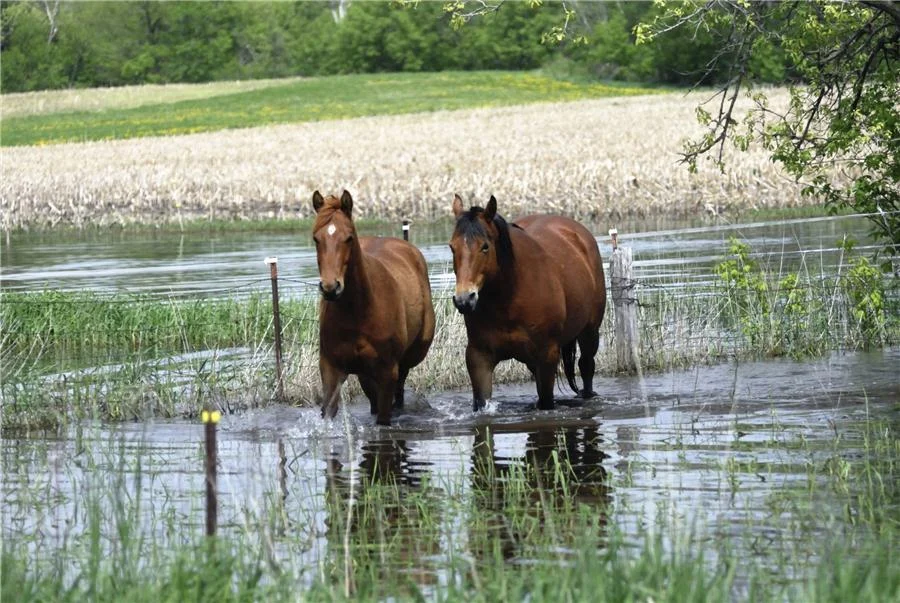
However, proximity must be balanced with environmental factors and herd dynamics. Drawing from established principles of pasture management, avoiding gate placement in areas prone to waterlogging or poor drainage is essential. Muddy conditions around gates can lead to hoof damage, increased exposure to pathogens, and make it difficult for horses to enter or exit pastures, especially during inclement weather. This can also lead to the development of troublesome mud wallows that are detrimental to pasture health and horse well-being.
Furthermore, placing gates in corners of paddocks is strongly discouraged. Horses moving at speed along fence lines may not anticipate a sudden gate and could collide with it, risking injury. Corner placement can also create a bottleneck effect, particularly when horses are being brought in for feeding or other routine activities. This can exacerbate herd dynamics, leading to competition and potential injuries as horses vie for position. A well-placed gate should offer a clear and safe approach, allowing horses to move through without feeling cornered or pressured. This often means positioning gates along straighter sections of fencing, providing ample approach and departure space.
Material Selection: Prioritizing Durability and Horse Safety
The choice of gate material is a critical decision that directly influences the gate’s lifespan, maintenance requirements, and, most importantly, its ability to prevent horse-related accidents. While various materials exist, the specific needs of equine facilities necessitate a focus on robust and safe options.
In regions like Central Kentucky, metal gates are a common and often preferred choice due to their inherent strength and durability. These can range from lightweight aluminum, which is less susceptible to rust but may lack the necessary structural integrity for high-impact areas, to heavy steel construction, offering superior resilience.
Simple wire gates, often found in cattle pastures, are generally not recommended for horse facilities. The open nature of wire fencing and simple latches presents a significant risk of horses getting legs or heads caught, leading to severe injuries. While exceptions exist, such as in vast western ranches where horses are accustomed to wire fencing and may have developed a learned caution, for developing facilities focused on the safety of high-value horses, more secure options are imperative.
The author’s preferred choice for equine pastures is square steel-framed gates with mesh interiors. These gates offer a robust frame that can withstand considerable force, while the mesh infill prevents horses from getting legs through the structure. This design significantly mitigates the risk of common pasture accidents, such as leg entrapment, which can result in fractures or severe lacerations. Although these gates can be more expensive and heavier than other options, the enhanced safety they provide often justifies the initial investment.

For those unable to opt for mesh-filled gates, rounded tubular stock gates are a viable alternative. These gates typically feature five or six horizontal bars, providing a secure barrier. For an added layer of safety, incorporating mesh to the bottom half of these tubular gates is highly recommended. This creates a solid lower section, further preventing legs from being pushed through the bars, a common scenario when horses lean or rub against gates.
Installation and Security: Fortifying Against Mishaps
The method of gate installation is as vital as the gate itself in ensuring long-term functionality and safety. The posts on which gates hang must be substantial and securely set in concrete. This prevents the post from shifting or leaning over time, which can lead to gate sag and misalignment. A properly anchored post is the bedrock of a secure and functional gate system.
The spacing between the gate and the posts is another critical detail often overlooked. On the hinge side, the gap should be minimized as much as possible. Horses, particularly when anxious to enter or exit a pasture, may paw at gates. If the gap is too wide, a horse can inadvertently get a hoof stuck between the gate and the post, leading to a potentially catastrophic injury. This requires careful adjustment during installation to ensure a snug fit without the gate binding.
A clever installation technique involves orienting the hinges so that the gate rests on the bottom hinge while the top hinge points downwards. While this can make installation more challenging and places greater weight on the bottom hinge, it significantly deters horses from lifting the gate off its hinges. This is a crucial preventive measure, as horses have been known to exploit any weakness in gate security.
The history of equine farm management is unfortunately punctuated by incidents involving gates. Horses getting their heads caught in hinges or latches, running into or over gates, and suffering severe leg injuries from entrapment are all too common. While not all such accidents can be entirely prevented, meticulous attention to detail in gate selection, placement, and installation is the most effective strategy for minimizing these risks.
Latch Mechanisms: Ensuring Ease of Use and Security
The latch mechanism is the final critical component of a secure gate system. It must be robust enough to withstand pressure from horses and weather, yet easy for farm personnel to operate efficiently and safely. The author advocates for simple, yet effective, latch systems that can be operated with one hand, minimizing the time spent in potentially vulnerable situations.

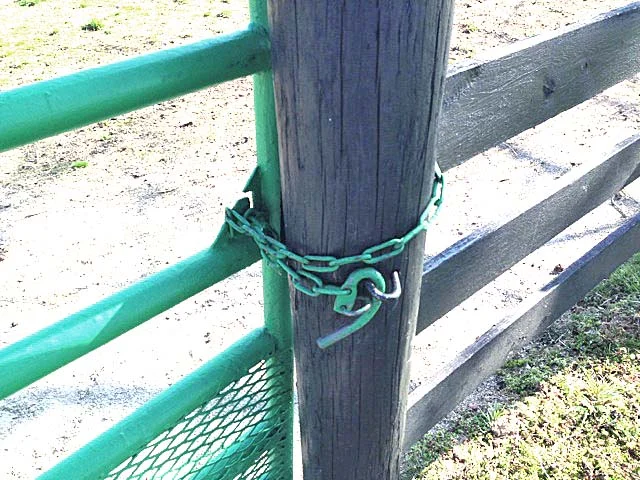
The Kiwi Latch, often depicted in close-up images for illustrative purposes, is a prime example of such a mechanism. Its design allows for quick and intuitive operation, facilitating the swift opening and closing of gates. This ease of use is not merely a convenience; it contributes to the safety of farm staff by reducing the time they are exposed to the unpredictable nature of horses at a gate.
For enhanced security, the addition of a safety chain is a valuable practice. This provides an extra layer of containment, particularly important for gates that might be subjected to significant pressure or for horses known for their ingenuity in testing boundaries. While other latch systems may be perfectly adequate, the simplicity, reliability, and one-handed operability of mechanisms like the Kiwi Latch make them a favored choice in professional equine operations. The importance of a secure latch cannot be overstated; a poorly designed or easily defeated latch can render even the most robust gate system ineffective, leading to escapes and potential injuries.
In conclusion, the seemingly mundane task of selecting and installing pasture gates demands a sophisticated approach, integrating principles of equine behavior, agricultural engineering, and economic foresight. By prioritizing appropriate size, strategic placement, durable and safe materials, and secure latching mechanisms, equine farm developers can create environments that are not only functional and cost-effective but, most importantly, safe havens for their valuable equine populations. The ongoing commitment to these details underscores the broader responsibility inherent in equine farm management.