

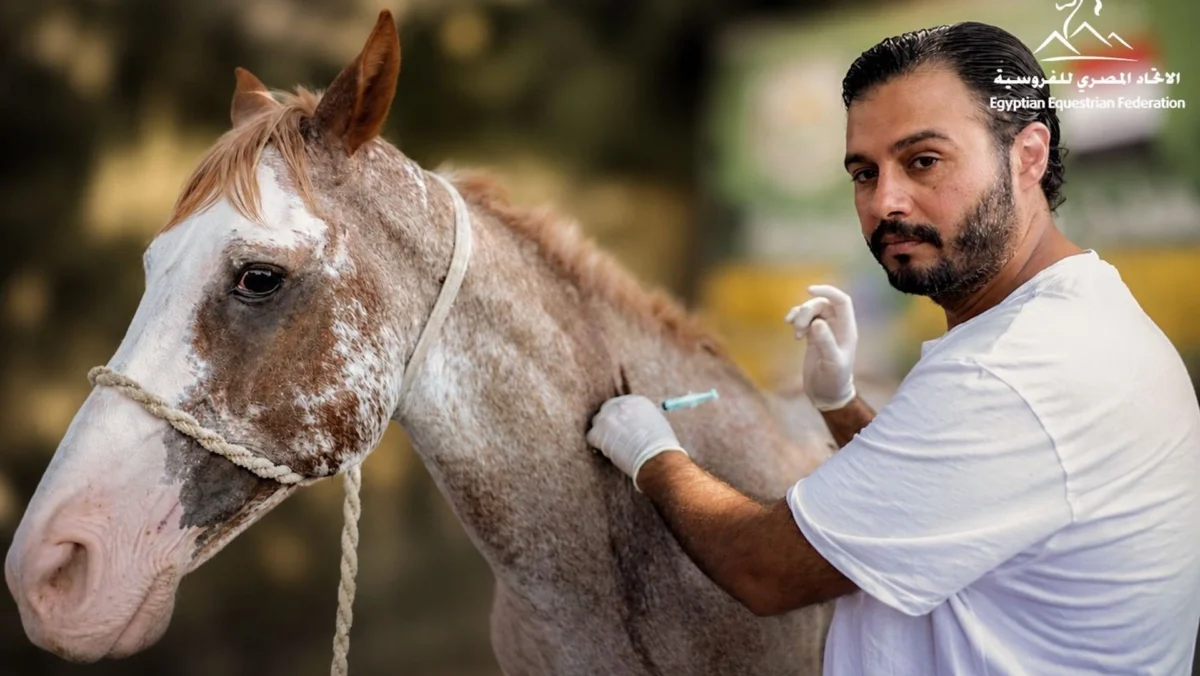
The recent introduction of the prestigious Longines Global Champions Tour (LGCT) to Cairo has inadvertently spotlighted a long-standing and critical issue: the welfare of working horses in Egypt. While the global equestrian community celebrates the expansion of top-tier showjumping into a new territory, it simultaneously raises vital questions about the living conditions and treatment of the equine population that forms the backbone of Egypt’s tourism and traditional transport sectors. The LGCT’s presence, beginning with an event scheduled for October 22-24, has served as a powerful catalyst, prompting renewed attention and concern from animal welfare organizations and equestrian enthusiasts alike.
A New Era for Equestrian Sport in Egypt, Old Concerns Re-emerge
The confirmation by the Longines Global Champions Tour in January that Cairo would host a leg of the elite showjumping series marked a significant milestone for equestrian sports in the region. This event signifies Egypt’s growing ambition to host international sporting spectacles and potentially elevate its profile within the global equestrian calendar. However, the excitement surrounding this development has been tempered by the stark reality of the plight of many working horses in Egypt.
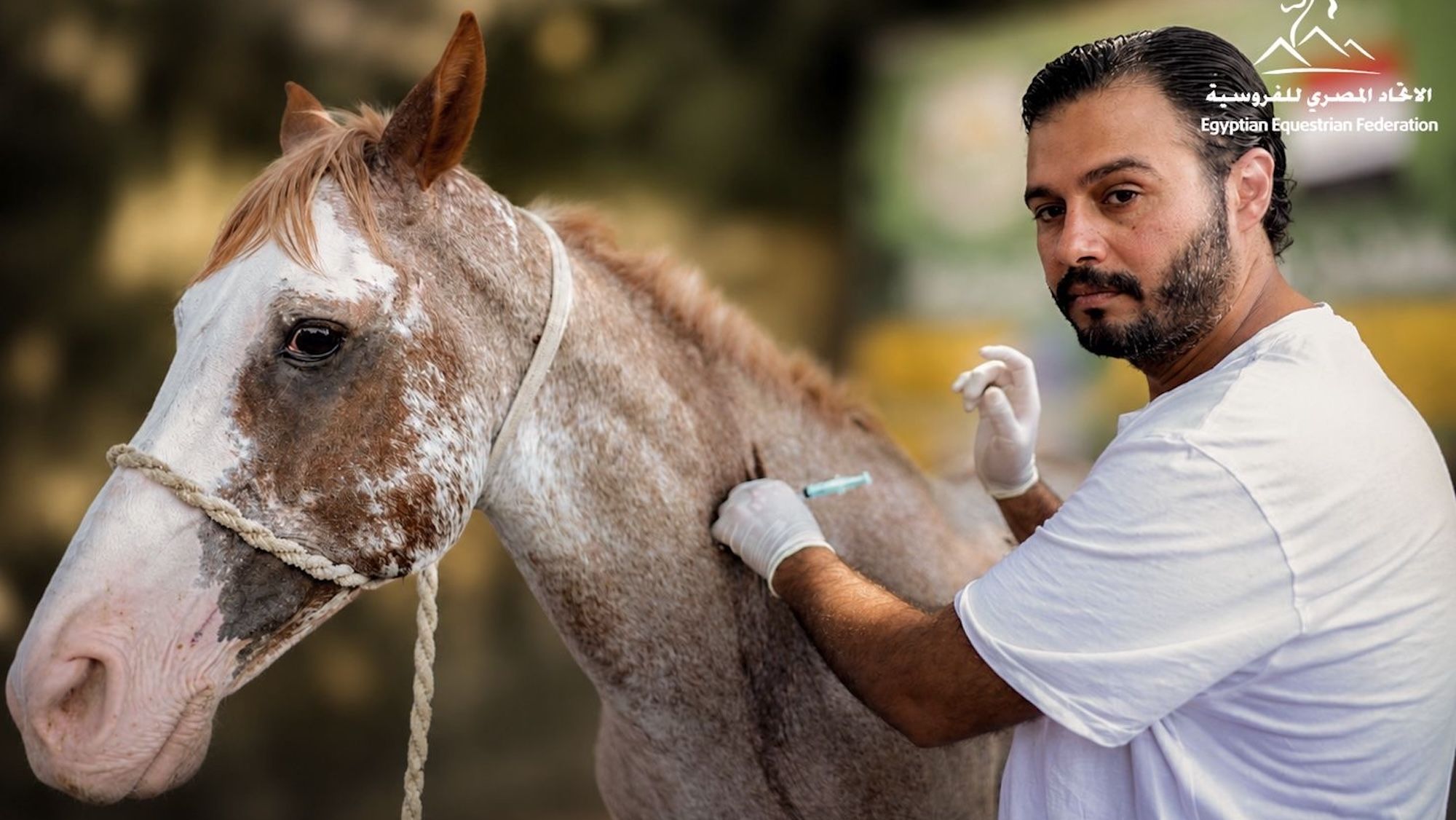
Organizations such as Egypt Equine Aid have consistently highlighted the grave concerns surrounding the welfare of working horses, donkeys, and camels, particularly in tourist-heavy areas like those surrounding the Pyramids of Giza. These animals often endure strenuous work, inadequate rest, poor nutrition, and limited access to veterinary care. Their plight is frequently exacerbated by the demands of the tourism industry, where commercial pressures can override ethical considerations for animal well-being. The stark contrast between the pampered lives of elite sport horses participating in the LGCT and the often-harsh existence of these working equines has not gone unnoticed.
Historical Context: The Enduring Role of Horses in Egyptian Society and Tourism
Horses have played an integral role in Egyptian history and culture for millennia, from their use in ancient warfare and transportation to their continued importance in agriculture, sport, and tourism. In contemporary Egypt, particularly in and around Cairo and Luxor, horses are a ubiquitous sight, offering carriage rides for tourists, participating in traditional ceremonies, and serving as essential modes of transport for many communities.
The economic reliance on these animals, especially within the tourism sector, creates a complex dynamic. While providing livelihoods for many Egyptians, it also places immense pressure on the horses. Historical reports and ongoing observations by animal welfare groups detail instances of horses suffering from lameness, dehydration, malnutrition, and injuries sustained from overloaded carts or rough terrain, often without adequate veterinary intervention. The lack of robust regulatory frameworks and consistent enforcement of animal welfare laws has historically contributed to the perpetuation of these issues.
A Timeline of Growing Concern and Emerging Initiatives
The visibility of working horse welfare issues in Egypt is not new. Over the past decade, numerous reports and campaigns have emerged, attempting to draw international attention and foster change.
- Pre-2010s: Sporadic reports and anecdotal evidence of poor working horse conditions existed, often shared through travel blogs and forums.
- Early 2010s: Dedicated animal welfare organizations, such as Egypt Equine Aid, began to establish a stronger presence, documenting abuses and initiating rescue and rehabilitation efforts.
- Mid-2010s: Increased social media activity amplified the visibility of these issues, with harrowing images and stories of suffering horses circulating globally. This period saw a rise in public pressure on tour operators and local authorities to address the problem.
- Late 2010s – Present: While significant challenges remain, there have been incremental efforts towards improvement. Some tour operators have begun to implement stricter guidelines for animal welfare. Furthermore, international events like the LGCT’s arrival are now inherently linked to discussions about the broader equine welfare landscape in the host country. The very act of bringing world-class equestrian sport to Egypt necessitates a closer examination of the conditions under which all horses live and work.
The timing of the LGCT event, with its global spotlight, presents a unique opportunity to accelerate these positive developments. It provides a platform for dialogue between international equestrian bodies, local authorities, animal welfare organizations, and the Egyptian tourism industry.
Expert Voices and Organizational Statements
The concerns voiced by Egypt Equine Aid are echoed by many within the international equestrian community. A spokesperson for the organization stated, "The plight of working horses, donkeys, and camels in Egypt, especially around the Pyramids, is a grave concern. These animals are vital to the economy and culture, yet they are often subjected to extreme hardship. We welcome any initiative that brings attention to their welfare and encourages humane treatment. The LGCT’s presence can be a powerful tool for change if leveraged correctly."
While the LGCT itself is a sporting organization, its commitment to animal welfare in its own events is well-established. However, the organization’s expansion into new territories naturally raises questions about the broader animal welfare infrastructure and practices in those locations. Historically, major sporting bodies are increasingly expected to demonstrate due diligence regarding the welfare of animals in the regions where they operate. This can involve supporting local welfare initiatives or advocating for improved standards.
Data and Evidence: The Scale of the Challenge
While precise, up-to-date statistics on the total number of working horses in Egypt are scarce, estimates suggest that tens of thousands are engaged in tourism-related activities alone. Surveys and reports from animal welfare groups consistently indicate high prevalence rates of:
- Lameness and musculoskeletal injuries: Often due to overloading, inadequate shoeing, and strenuous work without sufficient rest.
- Dehydration and heat stress: Particularly during the hot Egyptian summers, with insufficient access to water and shade.
- Malnutrition: Resulting from a lack of proper feed and veterinary care.
- Skin conditions and injuries: From ill-fitting harnesses, direct sun exposure, and poor hygiene.
These issues are not isolated incidents but represent systemic challenges rooted in economic pressures, lack of awareness, and insufficient regulatory oversight.
Broader Impact and Implications: Beyond the Arena
The arrival of the LGCT in Cairo has far-reaching implications that extend beyond the competitive arena.
Enhancing Egypt’s Global Reputation
For Egypt, hosting a prestigious international event like the LGCT is an opportunity to showcase its cultural heritage and growing sporting capabilities. However, the juxtaposition with ongoing animal welfare concerns could present a reputational risk. A concerted effort to address working horse welfare in tandem with hosting such events can significantly enhance Egypt’s image as a responsible and ethical tourist destination.
A Catalyst for Policy and Practice Change
The increased international scrutiny brought by the LGCT can serve as a powerful impetus for the Egyptian government and relevant authorities to strengthen and enforce animal welfare legislation. This could involve:
- Implementing stricter licensing requirements for horse-drawn carriages and animal operators.
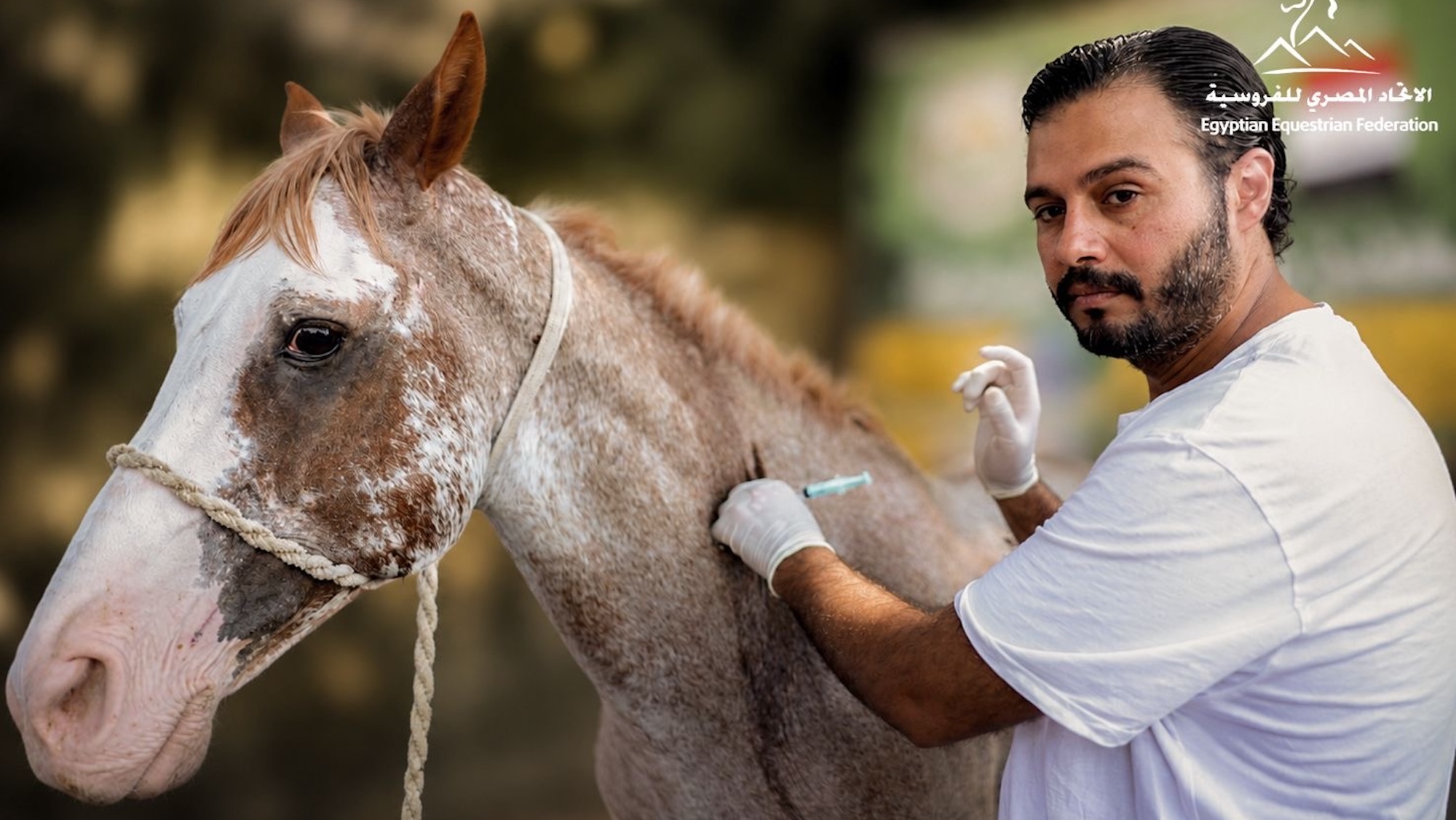
- Establishing mandatory veterinary checks and treatment protocols for working animals.
- Developing educational programs for owners and handlers on humane treatment and care.
- Creating dedicated rehabilitation centers for injured or retired working horses.
Raising Awareness and Driving Investment
The media coverage surrounding the LGCT event, coupled with the ongoing advocacy efforts of animal welfare organizations, can significantly raise global awareness of the challenges faced by working horses in Egypt. This increased awareness can, in turn, attract international support, funding, and expertise to help implement sustainable welfare solutions. Philanthropic investment from international equestrian federations, private donors, and global corporations could play a crucial role in supporting local initiatives.
The Future of Equine Welfare in Egypt
The presence of the Longines Global Champions Tour in Cairo is more than just a sporting event; it is a moment of intersection between global equestrian excellence and the critical need for improved animal welfare. The challenge now lies in harnessing this visibility to foster lasting change. By working collaboratively, stakeholders can ensure that the legacy of this historic LGCT event in Egypt is not only one of sporting achievement but also one of tangible progress in safeguarding the welfare of all equines within the nation. The success of this endeavor will be measured by the sustained commitment to humane practices, ensuring that horses in Egypt are treated with the dignity and care they deserve, both within and far beyond the confines of the international showjumping arena.







