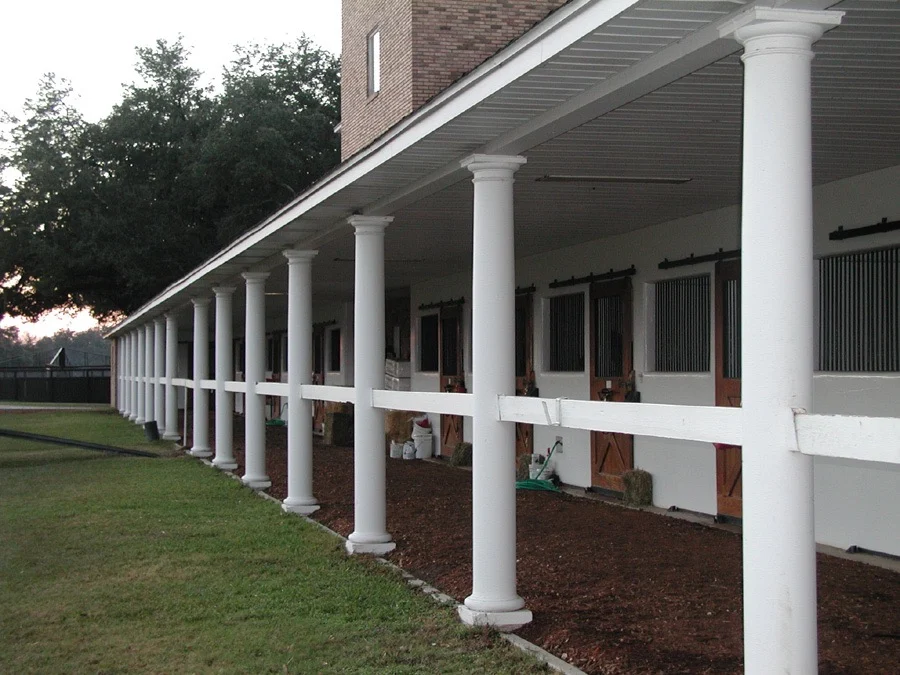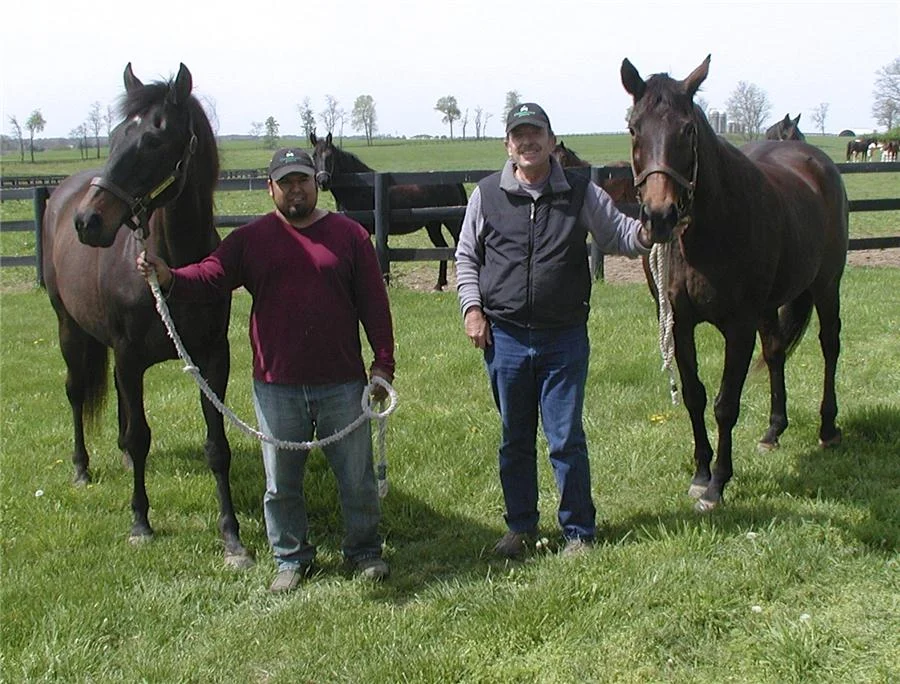
May 1, 2013, marked a significant turning point in the stewardship of Chanteclair Farm, a prominent equine facility nestled between Versailles and Midway, Kentucky. This date signified the conclusion of the author’s nearly 18-year involvement with the property, a tenure that began when the first contingent of mares and foals belonging to the late Prince Saud bin Khaled were relocated to Chanteclair from their previous boarding at Mare Haven Farm. This transition represented a pivotal moment in the establishment and development of a farm that would become synonymous with excellence in Thoroughbred breeding and management.
The initial move to Chanteclair in 1995 was a prelude to a new chapter. At that time, only one mare remained to foal: Fariedah. Her colt, Golden Dice, born shortly thereafter, was not only the last foal of that year’s crop but also the inaugural birth at the newly established Chanteclair Farm. This colt, sired by Diesis, proved to be a promising omen, heralding the success that would define the farm’s operations on Aiken Road in the heart of Central Kentucky. Golden Dice was the first of many stakes winners to emerge from this distinguished operation, laying the groundwork for its esteemed reputation.
A Legacy of Excellence: The Rise of Chanteclair Farm
Chanteclair Farm, under the vision of Prince Saud bin Khaled, cultivated a reputation for meticulous care and a dedication to producing high-caliber Thoroughbreds. The farm’s strategic location in the renowned Bluegrass region of Kentucky, an area historically celebrated for its fertile soil and ideal climate for horse breeding, provided a natural advantage. This environment, coupled with a commitment to superior management practices, fostered an atmosphere where champion horses could thrive.
The author’s narrative highlights the personal significance of this period, reflecting on the intimate connection developed with the farm and its inhabitants. The sale of the property to new owners signifies a natural progression, a cycle of change inherent in the equine industry. The hope is that the farm will continue to be a cradle of success for its new custodians, mirroring the achievements realized during Mr. Khaled’s stewardship. This sentiment underscores the enduring impact of a well-managed and strategically located breeding operation.
Chronology of Stewardship and Transition
- 1995: Prince Saud bin Khaled’s initial group of mares and foals are moved from Mare Haven Farm to Chanteclair Farm. Fariedah foals Golden Dice, the first foal born at the new facility.
- 1995-2013: Chanteclair Farm operates under the management and advisement of the author, consistently producing stakes winners and establishing a strong reputation in the Thoroughbred industry.
- May 1, 2013: The author’s direct involvement with Chanteclair Farm concludes as the property changes hands.
- Post-2013: The farm is sold to new owners, with expectations for continued success and development.
The Art and Science of Farm Management
The author’s reflections offer a candid glimpse into the demanding yet rewarding profession of equine farm management. The narrative emphasizes that success in this field requires more than just a love for horses; it demands dedication, resilience, and an unwavering commitment to the well-being of the animals and the prosperity of the operation.
"A lot of times the work is hard and the hours long," the author states, a sentiment that resonates with anyone familiar with the equine industry. This acknowledgment of the physical and mental toll is balanced by the profound satisfaction derived from pursuing a passion. The author articulates a philosophy where the challenges of the profession are overshadowed by the intrinsic rewards of working with animals and contributing to their success.
The imagery of "early morning drives down quiet roads lined with trees and stone walls to work with great mares and future champions" evokes the idyllic, yet demanding, reality of farm life. This picturesque setting serves as a backdrop for the intensive labor and strategic planning required to nurture young Thoroughbreds and prepare them for the rigrees of racing and breeding.
The Emotional Landscape of Equine Management
The quote, "You worry, you fret, the staff is at once amazing and frustrating. But you are doing what you love," encapsulates the complex emotional terrain of farm management. The author’s candidness about the dual nature of staff dynamics—their invaluable contributions alongside the inherent challenges of managing human resources—adds a layer of realism. This acknowledgment highlights the multifaceted skills required, extending beyond animal husbandry to encompass leadership and interpersonal communication.
A core tenet of the author’s philosophy is the belief that farm managers often receive the "best end of the deal." This perspective stems from the unique opportunity to immerse oneself in the daily lives of the horses and the intricacies of the farm. The deep intimacy with which a manager understands the operation and its inhabitants is presented as a significant perk, often exceeding that of the owner.
The emotional spectrum of this profession is vividly described through the "highs of winning a big race and the lows of not being able to save a foal." These are not merely professional triumphs or setbacks; they are deeply personal experiences that shape the manager’s perspective. The author notes that these emotional peaks and valleys tend to balance out over time, leading to a profound appreciation for the cyclical nature of life and the resilience of the equine world. The arrival of spring, with its "sun coming up on freshly mowed grass with the next crop of champions galloping freely in the pastures," serves as a powerful metaphor for renewal and the promise of future success.
Supporting Data and Industry Context
The Thoroughbred breeding industry in Kentucky is a multi-billion dollar enterprise. The state consistently ranks among the top in the world for Thoroughbred production, with farms like Chanteclair playing a crucial role in this ecosystem. The success of Kentucky-bred horses on the international racing circuit is a testament to the quality of breeding and management practices prevalent in the region.
- Economic Impact: Kentucky’s equine industry, with Thoroughbreds as a major component, contributes billions of dollars annually to the state’s economy through direct and indirect spending, employment, and tax revenue.
- Breeding Statistics: Kentucky annually leads the nation in the number of Thoroughbred foals born and the value of its breeding stock.
- Global Reach: Kentucky-bred horses consistently achieve success in major races worldwide, including the Kentucky Derby, the Prix de l’Arc de Triomphe, and the Dubai World Cup, underscoring the global competitiveness of the region’s breeding programs.
The sale of a farm like Chanteclair, particularly one with a history of producing successful horses, often generates interest from other industry professionals and investors. The value of such properties is influenced by factors including acreage, location, existing infrastructure (barns, paddocks, training facilities), and, crucially, the farm’s reputation for producing quality bloodstock.
Broader Implications and Future Outlook
The sale of Chanteclair Farm represents more than just a change in ownership; it signifies the evolution of a significant entity within the Thoroughbred landscape. The legacy established under Prince Saud bin Khaled’s ownership and the author’s management is now entrusted to a new generation of caretakers. The hope is that the foundational principles of excellence in breeding and management will endure.
For aspiring farm managers, the author’s words offer a pragmatic yet inspiring outlook. The profession demands a unique blend of passion, expertise, and perseverance. It is a calling that requires a deep understanding of equine physiology, genetics, nutrition, and the intricate dynamics of farm operations.
"Being a farm manager is not a way of life for the faint-hearted," the author cautions. This is a direct acknowledgment of the inherent difficulties and the need for robust character. However, this warning is immediately followed by an empowering statement: "But for the courageous who love the work and the horses, it’s a great life!" This sentiment positions farm management as a noble and fulfilling pursuit for those with the right disposition and dedication.
The author’s continued commitment to the industry, expressed through the desire to "partner to achieve their dreams and successes" with current and new clients, underscores a forward-looking perspective. The invitation to connect for those with questions or seeking guidance indicates a willingness to share knowledge and foster the next generation of equine professionals and successful farm owners. The future of Chanteclair Farm, like that of many other esteemed operations, will be written by those who continue to uphold the traditions of excellence while embracing innovation. The author’s contact information, provided for further engagement, serves as a conduit for aspiring individuals and established owners alike to tap into a wealth of experience and expertise within the dynamic world of Thoroughbred horse management.