The Horse Racing Women’s Association (HRWA) convened its fifth annual conference in Lexington, Kentucky, from October 12-14, marking a significant milestone for an organization dedicated to advancing women within the equine industry. Held for the second consecutive year in the heart of Thoroughbred country, the three-day event served as a crucial platform for reflection on the unprecedented strides women have made in horse racing throughout the year, while simultaneously illuminating the vast potential for future growth and empowerment. The conference featured a dynamic agenda, encompassing in-depth panel discussions, compelling keynote and featured speakers from diverse professional backgrounds, interactive workshops designed for skill development, and ample opportunities for networking and collaboration.
A Look Back and A Vision Forward
The conference commenced on Monday with a welcoming event featuring guest speaker Donna Barton Brothers, a prominent figure in racing. The subsequent days were meticulously crafted to address pivotal themes relevant to women in the industry. Tuesday’s program delved into critical areas such as personal leadership and career navigation, the integration of technological advancements within the sport, and strategies for transforming relationships and partnerships into tangible opportunities.
Navigating Ambition and Agency in Racing
The inaugural panel discussion of Tuesday, titled "Ambition and Agency: Women Navigating and Shaping Racing," provided a powerful platform for accomplished women to share their experiences and insights. Moderated by Hallie Hardy, Executive Director of Horse Country, the panel featured a distinguished group of speakers: Shannon Arvin, the first woman to serve as Keeneland’s President and Chief Executive Officer; Emily Bushnell, Founder and Owner of Tranquility Lake Farms and Founder and Executive Director of Endeavor Therapeutic Horsemanship; Jamie Eads, President and CEO of the Kentucky Horse Racing and Gaming Corporation; and Rosie Napravnik, a pioneering jockey and now a full-time Thoroughbred retraining specialist.
These leaders candidly discussed the challenges they have encountered and the substantial progress the industry has witnessed during their careers. Shannon Arvin offered a potent piece of advice, urging attendees, "Don’t let the fear of someone not liking what you’re doing stop you from doing what you believe needs to be done." This sentiment underscored the importance of conviction and perseverance in the face of potential opposition. Rosie Napravnik further emphasized the need for proactive engagement, stating, "You can’t just work hard and be successful. You have to be intentional and hold a self-worth and mindset that puts you in a position for others to give you opportunities." Napravnik, who made history in 2012 as the first female jockey to win the GI Kentucky Oaks, highlighted the crucial interplay between dedication, self-belief, and strategic positioning in career advancement.

Embracing Technological Advancements and AI
The conversation then pivoted to the rapidly evolving technological landscape within horse racing. The second panel, "Future Proofing: Tech, AI and the Next Era of Racing," explored the transformative potential of Artificial Intelligence (AI) and other innovations. Moderated by Liza Hendriks, Co-Founder of Wanamaker’s and a Board Member for Inglis Digital USA, the panel included Dr. Dionne Benson, Chief Veterinary Officer for 1/ST; Charlotte Clement de Bona, Chief Strategy and Transformation Officer for The Jockey Club; Youmna Hakoum, Senior Data Analyst for Equibase; and Caroline Leach, a Data Management Specialist for the University of Kentucky Center for Applied AI.
Dr. Benson elaborated on the groundbreaking "Racehorse 360" system, an AI-powered platform that utilizes advanced camera technology to detect irregular horse gaits in real-time, thereby enhancing injury risk assessment capabilities. This innovation represents a significant step forward in proactive equine welfare. Leach and Hakoum provided valuable insights into the growing role of AI in data management, highlighting its ability to streamline data collection, curate statistics, and foster a deeper understanding of the sport for both fans and horseplayers. Charlotte Clement de Bona championed a culture of continuous improvement, advising, "The biggest thing we need to focus on is innovation. Ask ‘why are we doing this?’ If the answer is, ‘because we’ve always done it this way,’ then maybe we should change it." This call for critical re-evaluation and adoption of new methodologies resonated with the forward-thinking ethos of the conference.
Historic Achievements and Unwavering Dedication
Tuesday’s afternoon program featured a captivating conversation with Cherie DeVaux, who achieved a monumental feat earlier in the year by becoming the first female trainer to win the GI Kentucky Derby. She was joined by Daisy Phipps Pulito, Racing Manager for Phipps Stable, whose bred and co-owned horse, Golden Tempo, was a contender in the Derby. Phipps Pulito’s endorsement of DeVaux was unequivocal: "We didn’t pick Cherie because she’s a woman. We picked Cherie because she’s a really good trainer. We knew she’d take care of our horses in a way that we wanted them taken care of." This statement powerfully affirmed that merit and skill are the primary drivers of success, regardless of gender.
DeVaux also made history by sweeping both the Kentucky Derby and the GI Belmont Stakes in the same season, further solidifying her place in racing lore. Reflecting on her achievements, she stated, "In horse racing, especially at the level that we play [at], it doesn’t matter if we’re women or men. This is our livelihood. This is our life. Winning the [Kentucky] Derby was a great thing, but that’s not who I am. I have more to give. I don’t want the Kentucky Derby to define who I am." DeVaux’s perspective underscored a mature understanding of success, emphasizing personal growth and contribution beyond singular accolades. She also acknowledged the significant platform her achievements provided, stating, "It’s an honor to be able to be a positive face for our industry, which right or not right, has been under fire for quite some time. It’s been a privilege to talk about how far we’ve come." Her words offered a beacon of hope and a testament to the positive trajectory of women in the sport.
The Power of Mentorship and Sponsorship
The day concluded with the third panel, "The Power Network: Mentorship, Sponsorship, and Opening Doors." This session was led by Heather Higgins, Senior Vice President of Corporate Partnerships at Breeders’ Cup Limited; Dena Merson, Founder of Simply Racing; Deja Robinson, an Ed Brown Society Fellow and Doctor of Veterinary Medicine candidate; and Katie Taylor-Whalen, Vice President of Operations at Taylor Made Sales Agency. The panel was moderated by Cathy Shircliff, Director of Equine Industry Relations and Experience at Churchill Downs Incorporated.
The discussion centered on the vital importance of building authentic relationships and the concept of "reverse mentoring," where mentees can also serve as valuable sources of knowledge and perspective. The panelists shared experiences as both mentors and mentees, highlighting the benefits of fostering supportive environments. Deja Robinson offered practical advice for those new to the industry: "New people in the industry don’t know the unspoken rules or the jargon. Be open minded, recognize those learning gaps, and see where you can help them instead of criticizing them." This emphasis on empathy and supportive guidance is crucial for fostering a welcoming and inclusive industry.

Honoring Exemplary Leadership
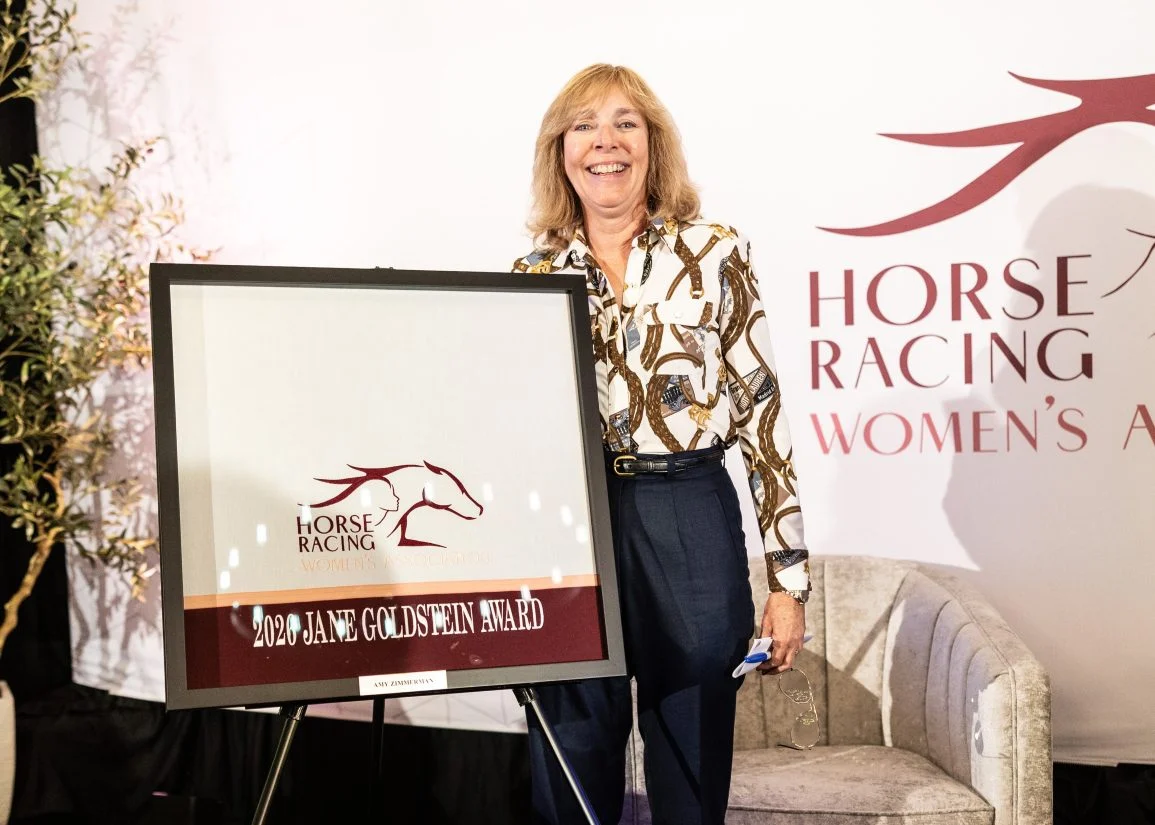
A significant highlight of the conference was the presentation of the 2026 Jane Goldstein Exemplary Leadership Award. This prestigious award, named in honor of Jane Goldstein, a pioneering turf publicist, recognizes women who have demonstrated outstanding leadership and made significant contributions to horse racing. This year’s recipient was Amy Zimmerman, a highly respected sports TV producer, director, writer, and network executive who has been an integral part of the Santa Anita Park staff since 1986.
Zimmerman’s acceptance speech was both humble and inspiring. "I am just honored to go to work every day to play with my friends, be part of several loving families, and to get to pet the horses. Because after all these years, that still brings me happiness and joy," she shared. Her sentiment resonated deeply with many, reflecting a genuine passion for the sport. She concluded with a powerful declaration: "Being a woman should never equal mediocrity. Don’t settle for being the best woman for the job. Be the best, full stop." This call to action encouraged all women to strive for excellence without reservation. Amy Gregory, the 2025 recipient of the award, lauded Zimmerman’s impact, stating, "I am but one of many made better both personally and professionally by Amy’s friendship."
Inspiration from the Olympic Arena
The day’s intellectual and emotional journey culminated with a keynote address by Elana Meyers Taylor, a formidable athlete with six Olympic medals and a world championship title in bobsledding. Meyers Taylor, who made history as the first American woman to win a world championship in a two-woman bobsled, shared her remarkable journey, emphasizing not only her athletic achievements but also her ability to balance demanding professional pursuits with motherhood and her role as a global role model.
Her message was one of resilience and unwavering determination: "This all happened because I was willing to take any opportunity I had, learn from my mistakes, and pivot to a new adventure. My son became my motivation. I wanted to show him, up close and personal, what is possible regardless of what the world says you can’t do." Meyers Taylor’s words powerfully illustrated that perceived limitations can be overcome through a combination of seizing opportunities, embracing learning, and drawing strength from personal motivations.
The 2026 HRWA conference concluded on Wednesday at Keeneland with a guided networking workshop facilitated by Dr. Savannah Robin, followed by an afternoon of engaging racing. The event served as a testament to the growing influence and collective power of women in horse racing, fostering a sense of community, shared purpose, and a robust vision for the future of the sport.
For those interested in learning more about the HRWA and its initiatives, membership information is available on their website. The conference underscored the transformative power of mentorship, technological innovation, and unwavering ambition in shaping a more equitable and dynamic future for women in horse racing and beyond. The momentum generated by these historic achievements and insightful discussions promises to propel the industry forward, inspiring future generations of women to lead, innovate, and excel.