 rifanmuazin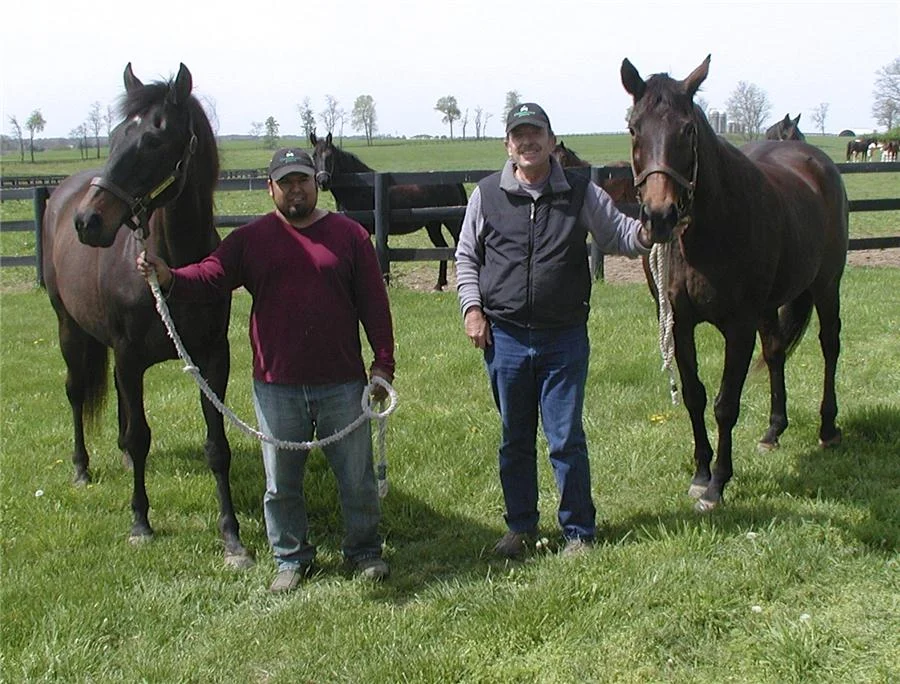
The sale of Chanteclair Farm, a significant property nestled between Versailles and Midway, Kentucky, on May 1, 2013, signifies the conclusion of an almost 18-year chapter for the esteemed Chanteclair operation and its associated management. This transition marks a pivotal moment, evoking reflections on the farm’s history, its contributions to the Thoroughbred industry, and the enduring dedication required for successful equine management. The farm, once a cornerstone for the late Prince Saud bin Khaled’s breeding program, has been acquired by new ownership, ushering in a new era for this renowned Kentucky acreage.
A Legacy Forged in Central Kentucky
Chanteclair Farm’s journey began in 1995 when the initial contingent of mares and foals belonging to Prince Saud bin Khaled were relocated to the property from their previous boarding at Mare Haven Farm. This move represented a significant investment and a strategic repositioning for the late Prince’s racing and breeding interests. The farm’s strategic location in the heart of Central Kentucky, a region globally recognized for its fertile soil and ideal conditions for raising Thoroughbreds, provided a fertile ground for establishing a premier breeding operation.
The arrival of the first mares and foals marked the commencement of a new phase. Among the inaugural group was the mare Fariedah, who was the last to foal that year. Her colt, Golden Dice, born at Chanteclair, became not only the final foal of his sire Diesis for the season but also the very first foal born on the new Chanteclair property. This auspicious beginning, with a colt by Diesis, a prominent sire, was seen as a positive omen, presaging the success that would follow. Golden Dice, a testament to the farm’s early promise, went on to become a stakes winner, establishing a precedent for the caliber of horses Chanteclair would produce.
Over the subsequent years, Chanteclair Farm became synonymous with the development of numerous stakes horses, solidifying its reputation as a producer of quality Thoroughbreds. The "little jewel of a farm on Aiken Road" in Central Kentucky, as it is described, consistently delivered talented runners, contributing significantly to the racing landscape. The farm’s success was not merely a matter of chance but a result of meticulous planning, careful breeding strategies, and dedicated management, all overseen by individuals deeply invested in the welfare and potential of the equine athletes.
A Manager’s Perspective: The Dedication of Equine Stewardship
The sale of Chanteclair Farm prompts a broader reflection on the demanding yet rewarding profession of equine farm management, as articulated by Ron, the manager whose tenure concluded with the sale. His nearly two-decade involvement with Chanteclair represents a significant portion of a career dedicated to the care and development of Thoroughbreds. He characterizes his role as being "fortunate to be involved with many great horses on numerous beautiful farms," underscoring the privilege and the passion that fuels such a career.
The transition from managing Chanteclair, a farm he describes as "one of the best," to exploring new partnerships highlights the dynamic nature of the Thoroughbred industry. For aspiring farm managers, Ron offers a candid perspective on the realities of the profession. He emphasizes that the work is often arduous, characterized by "hard work and long hours." However, he counters this with the profound satisfaction derived from pursuing a genuine passion. "When you have the opportunity to do something you truly love, all the tough times fade in comparison," he states, encapsulating the ethos of dedicated professionals in the field.
The allure of farm management, as described by Ron, lies in its inherent connection to nature and the raw beauty of equine life. He paints a vivid picture of "early morning drives down quiet roads lined with trees and stone walls to work with great mares and future champions." This romanticized yet realistic portrayal captures the essence of a life devoted to these animals, where the daily routine is intertwined with the rhythms of the farm and the promise of future success.
The Emotional Rollercoaster of Horse Management
The management of a Thoroughbred farm is an emotionally charged endeavor, a sentiment Ron articulates with poignant honesty. The quoted sentiment, "You worry, you fret, the staff is at once amazing and frustrating. But you are doing what you love," encapsulates the inherent complexities. The success of a farm hinges on the collective efforts of a dedicated team, and while the staff’s commitment is invaluable, the interpersonal dynamics and the pressures of the industry can present challenges. Yet, the overriding love for the work and the animals serves as the ultimate driving force.
Ron’s philosophy extends to his client relationships, where he believes he often receives the more advantageous end of the agreement. "I have always told my clients that I get the best end of the deal," he explains. "They pay me to work with their horses. I have the chance to know their farms and horses much more intimately than they ever will have the opportunity to do." This deep immersion allows managers to develop an unparalleled understanding of each horse’s individual needs, temperament, and potential.
The emotional spectrum of farm management encompasses both exhilarating highs and profound lows. "The highs of winning a big race and the lows of not being able to save a foal are emotional peaks and valleys for me," Ron admits. These experiences are not merely professional challenges but deeply personal ones, as the well-being of the animals is paramount. However, he finds solace and balance in the cyclical nature of life on a farm. "After a harsh winter there is always the spring sun coming up on freshly mowed grass with the next crop of champions galloping freely in the pastures." This perspective highlights the resilience and optimism inherent in the agricultural and equine industries.
A Look Ahead: Continued Passion and Partnership
The sale of Chanteclair Farm represents a significant milestone, but for Ron, it is also a springboard for future endeavors. He remains committed to the Thoroughbred industry, eager to continue his work with existing clients and to forge new partnerships with farm owners. His vision is to assist others in achieving their equestrian dreams and professional successes.
He reiterates the demanding nature of farm management, stating, "Being a farm manager is not a way of life for the faint-hearted." However, he concludes with an encouraging message for those who possess the requisite passion and courage. "But for the courageous who love the work and the horses, it’s a great life!" he asserts. This sentiment serves as an invitation and an affirmation for individuals drawn to the unique challenges and profound rewards of managing a Thoroughbred farm.
The article concludes with an invitation for those interested in discussing farm management, potential collaborations, or seeking advice to connect with Ron directly. This open channel of communication underscores his commitment to fostering growth and success within the Thoroughbred community.
Broader Implications for the Kentucky Equine Industry
The sale of a prominent farm like Chanteclair, even under new ownership, invariably sparks discussions about land use, investment, and the future of breeding operations within Kentucky’s vital equine sector. Central Kentucky, often referred to as the "Horse Capital of the World," experiences constant flux, with properties changing hands as owners adjust their strategies or new investors enter the market.
While the article focuses on the personal reflections of a farm manager, the underlying event speaks to the ongoing economic activity and the enduring appeal of Kentucky as a premier location for Thoroughbred breeding and racing. The fact that Chanteclair Farm has been sold to new owners, with the expressed hope that it will "produce as well for them as it did for Mr. Khaled," suggests a continued belief in the farm’s inherent potential and its prime location.
The sustained interest in such properties indicates a healthy, albeit competitive, market. New owners often bring fresh perspectives, capital investments, and potentially different breeding philosophies, which can inject new energy into established operations. The legacy of farms like Chanteclair, built over years of dedicated effort, often provides a strong foundation for future success, attracting talented individuals and horses alike. The continued demand for prime equine real estate in Kentucky underscores the region’s irreplaceable advantage in the global Thoroughbred industry.