 rifanmuazin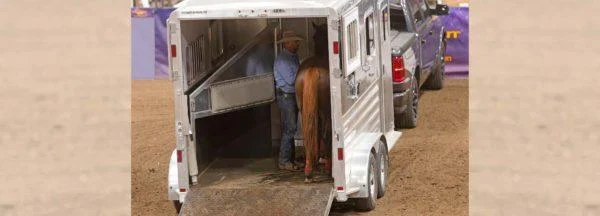
The rhythmic rumble of a trailer, a familiar sound to many equestrians, can often be a source of profound stress for horses. This inherent unease, particularly when tied within the confines of a trailer, is a common challenge faced by horse owners. A recent query highlights this prevalent issue: "Do you have any pointers on how to stop a horse from pulling back in the trailer? My horse is perfectly fine to hard tie outside the trailer, but as soon as I tie him up in the trailer and he feels pressure when he pulls back, he freaks out, rears up and throws himself around." This scenario, while specific, resonates with countless individuals who have experienced the alarming behavior of a panicked horse during transport. Understanding the root causes of this anxiety and implementing targeted training strategies are paramount to ensuring the safety and well-being of both horse and handler.
The Prey Animal’s Perspective: Understanding Trailer Anxiety
From an evolutionary standpoint, horses are prey animals. Their survival hinges on their ability to detect threats and flee rapidly. This instinctual behavior is deeply ingrained and influences their reactions to confined spaces. "It’s normal for a horse to get nervous about being tied up in a trailer," explains a seasoned equine behaviorist. "Think about it from his perspective. You’re asking him to go into a tight, narrow space and then taking away his ability to move his feet. As prey animals, horses have a fight-or-flight response and prefer to be in a big, open area where they have plenty of room to move their feet. A trailer makes them feel trapped and claustrophobic."
This feeling of being trapped triggers the horse’s innate fight-or-flight mechanism. When a horse pulls against a tied rope in a trailer and experiences resistance, this sensation can be interpreted as an immediate threat. Instead of a calm response, the horse may escalate to rearing, bucking, or thrashing, potentially leading to dangerous situations. The contrast between being "hard tied" outside, where the horse might understand the boundary and feel more control, and being tied in a trailer, where the confined space amplifies the feeling of being cornered, is crucial to understanding the behavioral disconnect.
Building a Foundation of Confidence: The Trailer as a Safe Haven
The path to a horse that willingly and calmly trailers begins with building a strong foundation of confidence regarding the trailer itself. Before even considering tying the horse, the focus must shift to making the trailer a positive and non-threatening environment. "Your first step in correcting your horse’s problem is to get him confident about just being in the trailer," advises the expert. "Follow the steps outlined in the Trouble-Free Trailering video series. Work on getting him to confidently load into the trailer, and then focus on getting him to crave being in the trailer, meaning he thinks getting to rest inside the trailer is the best thing in the world."
This process involves desensitization and positive reinforcement. It’s not about forcing the horse into the trailer, but rather teaching him that the trailer is a place of rest, comfort, and reward. This might involve simply allowing the horse to approach the trailer at his own pace, stepping inside for short periods without being tied, and associating the experience with treats, praise, or a calm, relaxed atmosphere. Gradually increasing the duration spent inside and ensuring a positive exit strategy are vital. The goal is to cultivate a mental state where the horse voluntarily enters the trailer and finds it a desirable place to be, rather than an inescapable prison.
The Crucial Role of Restraint: Implementing Safe Tying Techniques
Once a horse is comfortable and confident within the trailer, the next phase involves introducing the concept of being tied. This is where the choice of tying equipment and technique becomes critically important, especially for horses prone to panic. "Once your horse is comfortable being in the trailer, then work on tying him up in the trailer," the expert continues. "I always use an Aussie Tie Ring to tie my horses in the trailer because I think it’s the safest option. If the horse panics and pulls back, the tie ring allows the lead rope to move through it, feeding the horse slack. When a horse doesn’t feel restricted, he stops reacting."
The Aussie Tie Ring, or similar breakaway tie systems, are designed to release pressure when a certain amount of force is applied. This is a stark contrast to "hard tying," where the lead rope is secured to a fixed point, creating an immovable barrier. In a panic situation, a hard tie can lead to the horse injuring himself severely as he strains against the unyielding rope, potentially flipping over or causing significant damage to his neck and head. The breakaway mechanism, however, allows the rope to slide, giving the horse a sense of escape and reducing the perceived threat. This gradual release of pressure often de-escalates the panic response.
"As a general rule, I don’t hard tie my horses in the trailer because if they do panic and react, it can turn into a dangerous situation quickly, where they can flip over and harm themselves as well as anyone near them," the expert emphasizes, underscoring the inherent risks associated with traditional tying methods in this context.
A Step-by-Step Approach to Secure Tying
The training process for tying within the trailer should be methodical and patient, building upon the established confidence in the trailer environment. The recommended approach involves starting with the tie ring on its most forgiving setting. "Start by using the tie ring on the first setting, where you just thread the lead rope through its tongue. Load the horse on the trailer, tie him up and then leave him be," the expert instructs.
The crucial element here is the handler’s reaction. "If he starts to back up or gets fidgety, calmly back him off the trailer and then put his feet to work. Practice Lunging for Respect, the Sending Exercise, back him up—get his feet moving and changing directions." This is where the concept of "work" is introduced as a consequence of anxiety-driven pulling. By asking the horse to engage in controlled exercises that require focus and responsiveness, the handler is redirecting the horse’s energy and teaching him that pulling back does not lead to escape, but rather to a demand for mental engagement.
The cycle is then repeated: "After a few minutes, when he’s tuned in to you, load him back up on the trailer and tie him up again. As soon as he backs up or starts fussing around, unload him off the trailer and put his feet to work." This consistent application of the training principle – pulling back leads to work, standing calmly leads to rest – is essential for the horse to learn the desired association.
The goal is to reach a point where the horse’s behavior shifts from panic to relaxation. "Repeat those steps until, as soon as you load him on the trailer and tie him up, he cocks a hind leg and goes to sleep. I’d practice that for several days in a row until it’s second nature for him to relax and stand still when you tie him up in the trailer." This level of calm and stillness signifies that the horse has internalized the training and no longer perceives the tied state in the trailer as a threat.
Once this consistent relaxation is achieved, the handler can gradually progress to the second setting on the tie ring, which offers less slack. This allows for a more secure tie while still maintaining a safety release mechanism. This progressive approach ensures that the horse’s confidence and understanding are built at a pace that suits his individual learning curve, minimizing the risk of setbacks or reinforcement of negative behaviors.
Broader Implications and Ongoing Support
The challenges presented by trailer anxiety are not isolated incidents; they represent a significant hurdle for many horse owners, impacting their ability to participate in equestrian events, clinics, and even routine veterinary care. The economic implications can be substantial, with owners sometimes foregoing opportunities or incurring additional costs for professional transport. Furthermore, the emotional toll on both horse and owner can be considerable, leading to frustration and a diminished enjoyment of the equine partnership.
The insights provided offer a structured, humane, and effective approach to addressing this common issue. The emphasis on understanding the horse’s natural instincts, coupled with patient, consistent training and the use of appropriate safety equipment, forms the cornerstone of successful trailer training.
For individuals seeking further guidance, resources such as specialized training programs and online communities offer invaluable support. Organizations like Down Under Horsemanship provide platforms for horse owners to submit training questions and access a wealth of information, including video series dedicated to overcoming trailering challenges. The "No Worries Club," for example, aims to equip owners with the knowledge and tools necessary to build confident, well-adjusted horses.
The prevalence of this issue underscores the ongoing need for education and accessible training resources within the equestrian community. By fostering a deeper understanding of equine behavior and promoting best practices in training and equipment use, the industry can work towards ensuring that trailer transport is a safe, stress-free, and ultimately positive experience for all horses and their human companions. The ultimate objective is to transform the trailer from a source of fear into a reliable and comfortable mode of transport, enabling greater freedom and opportunity for both horse and rider.