 rifanmuazin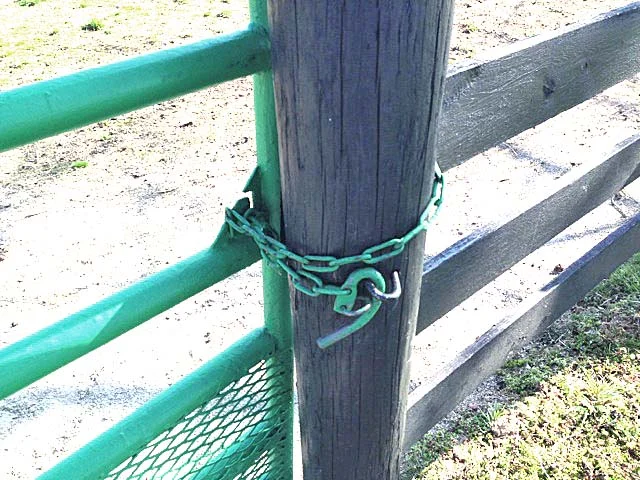
Developing a well-designed horse farm necessitates meticulous attention to every detail, from the layout of stables to the selection of pasture fencing. Among the most critical yet often overlooked elements are the pasture and paddock gates. These access points are not merely functional openings but are integral to the safety, efficiency, and long-term viability of any equine operation. This comprehensive guide delves into the key considerations for selecting, installing, and maintaining pasture gates, prioritizing safety, durability, and cost-effectiveness for the modern horse farm.
Gate Size: Balancing Access Needs with Structural Integrity
The optimal size of a pasture gate is a crucial decision that directly impacts farm management efficiency and the prevention of potential hazards. While it might seem intuitive to opt for larger gates, a careful balance must be struck. The primary consideration for gate width is the necessity of accommodating farm maintenance equipment. Mowers, fertilizer trucks, aerators, and chain drags are essential tools for maintaining the health and productivity of pastures. A gate that is too narrow can severely impede or entirely prevent the necessary access for these machines, leading to increased labor costs, delayed maintenance, and potentially compromised pasture health.
Industry recommendations and practical experience suggest a 14-foot gate width as a standard for most equine facilities. This dimension typically provides ample clearance for a wide range of agricultural vehicles, including standard pickup trucks towing trailers and light agricultural machinery. Gates that are 12 feet wide are often found to be too restrictive for many trucks, requiring cumbersome maneuvering or preventing access altogether.
Conversely, gates exceeding 16 feet in width introduce their own set of challenges. While offering greater passage, these larger gates are inherently heavier. This increased weight places significant stress on hinges and posts, making them more susceptible to sagging over time. A sagging gate not only presents an aesthetic issue but can also compromise its ability to latch securely, potentially creating escape routes for horses. Furthermore, the increased material cost and the more robust support structures required for wider gates can escalate the overall investment. Therefore, a 14-foot gate represents a pragmatic compromise, ensuring adequate access without compromising structural integrity or incurring excessive costs.
Strategic Gate Placement: Optimizing Workflow and Minimizing Risk
The location of pasture gates is as vital as their size and construction. Strategic placement directly influences the daily routines of horse care and the overall safety of the animals. A primary consideration is proximity to the barn. Gates that are easily accessible from the main stable reduce the time and physical effort required for bringing horses in from or turning them out into their paddics. This is particularly important during inclement weather or for horses with specific turnout schedules.

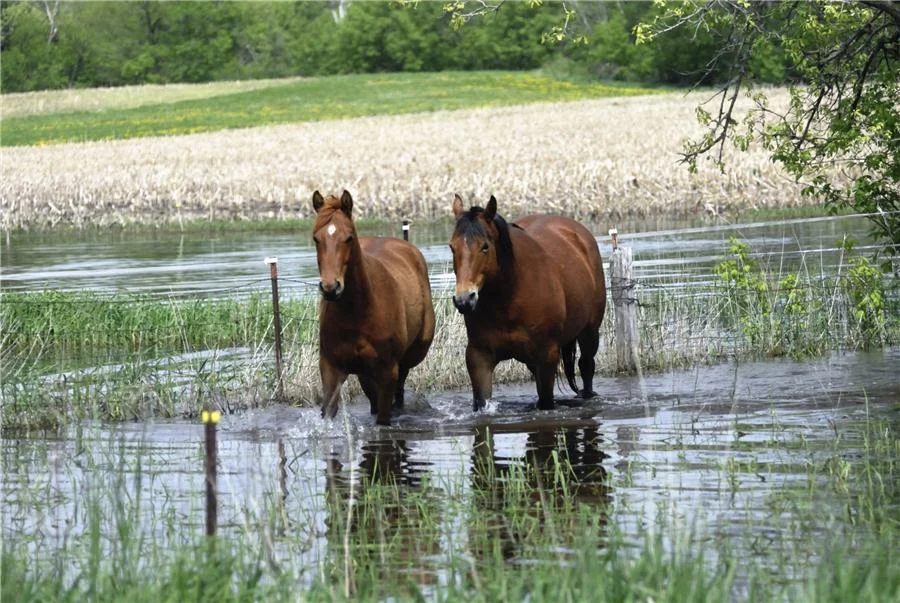
However, ease of access must be balanced with environmental factors. Drawing from lessons learned regarding mud management on horse farms, gate locations should be chosen to avoid areas prone to standing water or poor drainage. Gates situated in muddy or waterlogged areas can become difficult to operate, present tripping hazards for both horses and handlers, and contribute to the spread of foot conditions. Elevated, well-drained ground is always preferable for gate installation.
Furthermore, avoiding corner placement for gates is a strongly recommended practice. Horses are herd animals, and when moving along fence lines at speed, they can encounter unexpected obstacles. A gate positioned at a corner, especially if it is not immediately apparent, can become a hazard. Horses running at speed might collide with the gate or attempt to jump it, leading to potential injuries. Corner gates also tend to reduce the effective handling area within the paddock. When horses are being moved through a corner gate, particularly for feeding or returning to the barn, they may jostle for position, leading to squabbles and potential injuries as they assert dominance or compete for entry. This can create a stressful environment and increase the risk of accidents. Optimal placement involves positioning gates along straight fence lines, allowing for clear lines of sight and unimpeded movement.
Material Selection: Prioritizing Horse Safety and Durability
The choice of material for pasture gates is a critical determinant of their safety, longevity, and cost. In regions like Central Kentucky, metal gates are the predominant choice for field enclosures, offering a range of options from lightweight aluminum to robust steel. While simple wire gates with chain or wire latches might suffice for vast cattle pastures, they are generally not recommended for horse paddocks, especially when housing valuable horses where safety is paramount.
For equine facilities, the primary concern is preventing horses from getting legs or heads caught in the gate structure. This risk is significantly mitigated by selecting gates that do not present large gaps or openings. Square steel-framed gates with mesh interiors are often considered the gold standard for horse safety. Although they represent a significant initial investment and are heavier than many alternatives, the fine mesh effectively prevents horses from extending limbs through the gate, thereby averting a wide array of potential accidents, including fractures and serious lacerations. This design offers superior protection against a horse becoming trapped or injuring itself by attempting to reach through the gate.
If mesh-filled gates are not feasible due to budget constraints, the next best option is typically the rounded tubular stock type of gate. These gates are constructed from hollow steel tubes, offering a smoother surface and fewer sharp edges than some older designs. A gate with five or six horizontal bars is generally preferred, providing multiple points of containment. For an enhanced safety measure, it is highly advisable to add mesh to the lower half of these tubular gates. This specifically addresses the risk of a horse putting its legs through the lower bars, a common scenario that can lead to severe injury. The mesh acts as a vital barrier, preventing such entrapment.
Installation Best Practices: Ensuring Structural Integrity and Preventing Injury
The proper installation of pasture gates is as crucial as the selection of the gate itself. The posts from which the gates hang must be robust and securely anchored to prevent sagging and ensure longevity. It is recommended that gate posts be of a heavier gauge than standard fencing posts and be set in concrete. This provides the necessary stability to withstand the weight of the gate and the pressures exerted by horses leaning on or pushing against it. Improperly set posts are a primary cause of gate failure and can lead to dangerous situations.

Particular attention must be paid to the gaps between the gate and its posts, especially on the hinge side. Horses, particularly when anticipating entry into a barn for feeding or shelter, can become anxious and may paw at the ground near the gate. If the gap between the gate and the hinge-side post is too wide, a horse can inadvertently insert its hoof. The struggle to withdraw a trapped hoof can result in severe injuries, including fractures and ligament damage. Therefore, this gap should be minimized to the greatest extent possible, ideally just enough for the gate to swing freely without binding.
A practical installation trick that enhances security involves orienting the hinges. By setting the gate so it rests on the bottom hinge, while the top hinge points downwards, the gate is inherently more secure. While this orientation can make the initial hanging process more challenging and places additional weight on the bottom hinge, it significantly prevents the gate from being lifted off its hinges. This is a critical safety feature, as escaped horses can pose considerable risks to themselves and others.
The potential for accidents at gates is substantial. Horses can become entangled with hinges or latches, sustain injuries from running into or over gates, or suffer severe leg injuries if they become trapped. While not all incidents can be predicted or prevented, implementing best practices in gate selection and installation significantly reduces the likelihood of such tragic events.
Latch Mechanisms: Security and Ease of Use
The latch mechanism of a pasture gate plays a pivotal role in both security and operational efficiency. For handlers, the ability to open and close a gate quickly and safely, often with one hand while managing a horse, is paramount. A popular and effective option is the Kiwi Latch. This type of latch is designed for single-handed operation, allowing for swift engagement and disengagement. Its simplicity and intuitive design make it a practical choice for busy farm operations.
For added security, especially in situations where escape is a serious concern or where there is a risk of horses tampering with the latch, the incorporation of a safety chain is highly recommended. This chain can provide an extra layer of containment, ensuring the gate remains securely fastened even if the primary latch is compromised.
While other latch systems may be suitable, the emphasis for horse farms should always be on a combination of robust security and ease of operation for the human handler. The Kiwi Latch, when paired with a safety chain, offers a well-balanced solution that prioritizes both these aspects, contributing to a safer and more efficient farm management system.

The Broader Implications for Equine Operations
The careful consideration and implementation of appropriate pasture gate solutions extend beyond immediate safety concerns. Properly selected and installed gates contribute to the overall economic efficiency of a horse farm. Durable gates require less frequent maintenance and replacement, reducing long-term costs. Efficient gate systems streamline daily operations, saving valuable time for farm staff. Furthermore, the prevention of accidents through secure gate infrastructure minimizes the risk of costly veterinary treatments and potential loss of valuable equine assets.
The choice of materials and installation methods also reflects a farm’s commitment to animal welfare. Investing in safe and well-designed gates demonstrates a proactive approach to minimizing stress and potential harm to horses. This commitment can have broader implications, influencing the farm’s reputation and its ability to attract and retain clients or buyers.
In conclusion, pasture gates are not a minor detail in horse farm development but a critical component that directly impacts safety, efficiency, and financial well-being. By prioritizing size, location, material, installation, and latch mechanisms, equine farm managers can create a more secure, functional, and ultimately more successful operation. Continuous assessment of existing infrastructure and a willingness to adopt best practices are essential for maintaining the highest standards of care and management in the equine industry.