 rifanmuazin
Campaigners and Members of Parliament have responded with considerable optimism to an unconfirmed report suggesting that the government is preparing to launch a public consultation on tightening existing fireworks legislation. While official confirmation from the government remains pending, the prospect of such a review has been met with enthusiasm by animal welfare advocates and concerned citizens alike, who have long campaigned for a more balanced approach to pyrotechnic displays. The proposed changes, as detailed by Politics Home, include a re-evaluation of currently banned fireworks, a review of requirements for "lower-risk" categories, and a significant reduction in the noise limits for consumer-grade fireworks.
The potential for a government-led consultation marks a pivotal moment in a debate that has simmered for years, escalating in recent times due to increased public awareness and organised advocacy. The existing regulatory framework, primarily governed by the Pyrotechnic Articles (Safety) Regulations 2015, categorises fireworks into different types (F1 to F4) based on their hazard and noise levels. F1 are indoor fireworks, F2 are garden fireworks, F3 are display fireworks, and F4 are professional use only. However, critics argue these regulations have proven insufficient in addressing the widespread distress caused by fireworks, particularly those sold for domestic use. The current noise limit for consumer fireworks (F2 and F3) is 120 decibels, a level comparable to a jet engine or a rock concert, and is often cited as a primary source of contention.
The Genesis of Public Outcry: A Chronicle of Distress
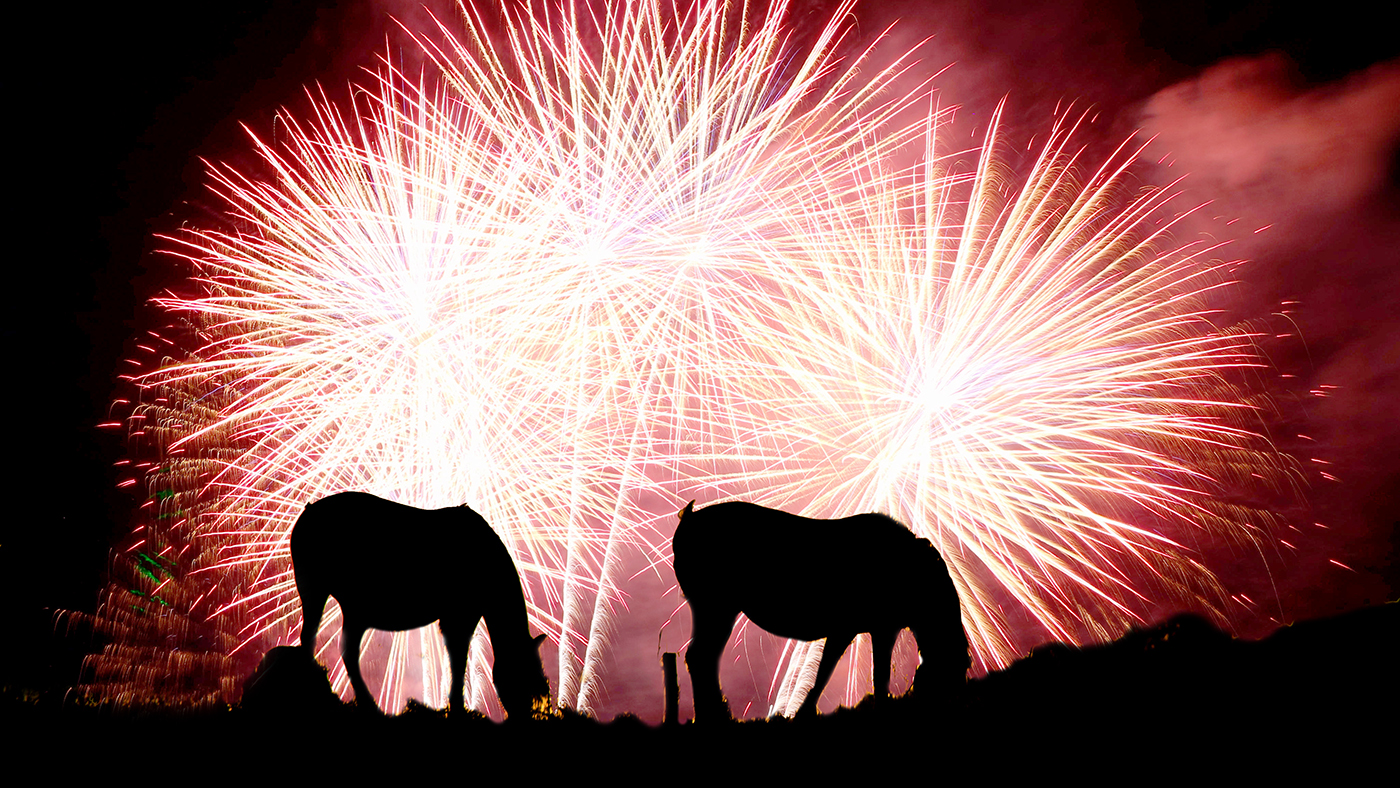
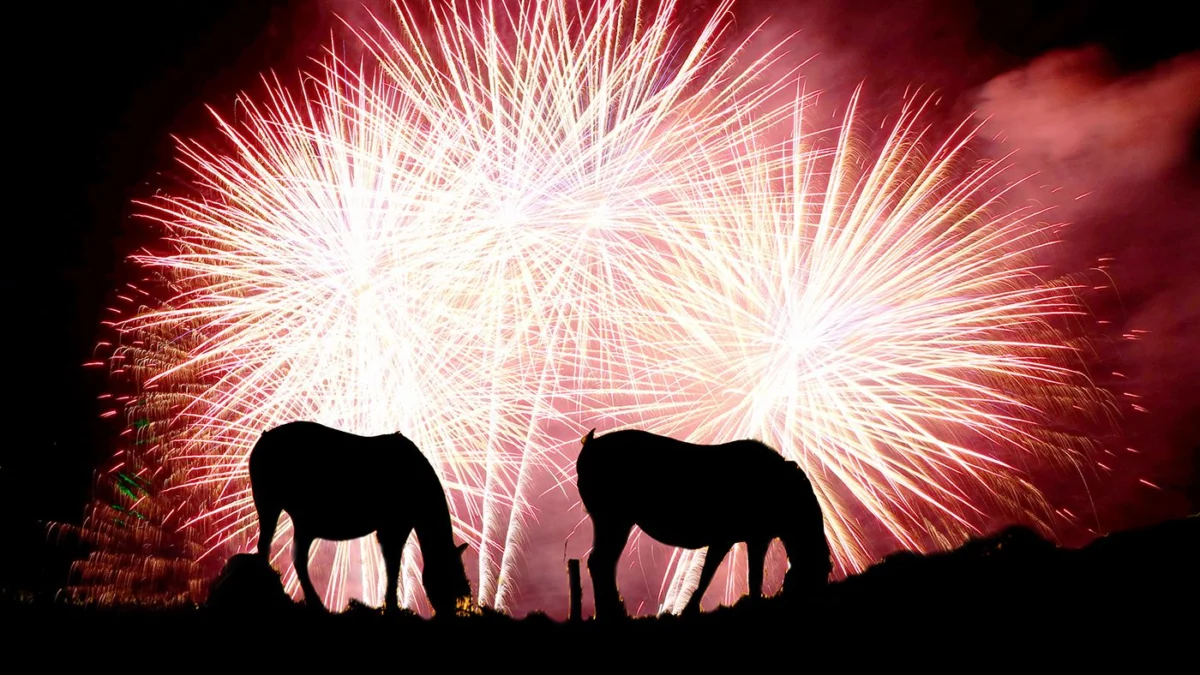
The movement for stricter fireworks controls is deeply rooted in concerns for animal welfare, public safety, and the well-being of vulnerable individuals. Every year, veterinary practices and animal shelters report a surge in distressed animals around traditional firework periods such as Bonfire Night, Diwali, and New Year’s Eve. The unpredictable flashes and deafening bangs can trigger severe anxiety, panic attacks, and even physical harm in pets, livestock, and wildlife. Horses, known for their flight instinct and acute hearing, are particularly susceptible to trauma. Incidents range from horses breaking out of fields, injuring themselves, or suffering severe stress-related conditions. The Royal Society for the Prevention of Cruelty to Animals (RSPCA) frequently reports thousands of calls related to firework incidents involving animals annually, highlighting the pervasive nature of the problem.
Beyond animals, the impact on humans is equally significant. Individuals suffering from Post-Traumatic Stress Disorder (PTSD), particularly veterans, can be severely affected by unexpected explosions, reliving traumatic experiences. The elderly, young children, and those with sensory sensitivities or autism spectrum disorders also experience considerable distress, sleep deprivation, and heightened anxiety. Public safety is another critical dimension, with fire services and emergency departments frequently responding to firework-related injuries, property damage, and instances of anti-social behaviour stemming from their misuse. The unregulated sale and use of powerful fireworks in residential areas exacerbate these issues, turning festive occasions into periods of fear and disruption for many.
A Wave of Advocacy: Petitions and Parliamentary Action
The burgeoning public discontent has manifested in numerous petitions and parliamentary debates over the years, signalling a growing consensus for reform. A significant catalyst in the current momentum has been the campaign led by Redwings Horse Sanctuary. Their petition, specifically calling for lower noise limits for fireworks, garnered an overwhelming response, collecting over 184,000 signatures. This immense public support propelled the issue to the floor of Parliament, where it was debated in January. The debate underscored the broad cross-party concern regarding the current legislation and the urgent need for a review.
Adding further legislative weight to the cause, Sarah Owen MP has been a vocal advocate for reform. Her Private Member’s Bill, aimed at restricting the noise and sale of fireworks, is scheduled for its second reading on April 17th. This legislative initiative mirrors the core demands of campaigners and demonstrates a concrete effort to translate public sentiment into policy. The presence of such a bill on the parliamentary agenda suggests a genuine parliamentary appetite for addressing the issue, moving beyond mere discussions to tangible legislative proposals.
Proposed Reforms: A Closer Look at the Potential Changes
According to the Politics Home report, the potential consultation would explore three key areas:
-
Updating Which Fireworks are Banned: This could involve a review of the categories of fireworks permitted for public sale and use. It might lead to more powerful consumer fireworks (e.g., those currently classified as F3, or specific types within F2) being reclassified or banned from general public access, reserving them for professional displays only. This would bring the UK closer to regulations seen in some other European countries where stricter controls on consumer fireworks are already in place. The rationale would be to reduce the overall hazard and nuisance caused by high-impact pyrotechnics in residential settings.

-
Reviewing Requirements for "Lower-Risk" Fireworks: Even F1 and some F2 categories, often marketed as "garden fireworks," can still produce significant noise and light. The consultation might consider stricter age limits, mandatory safety training for purchasers, or even limitations on the quantity of fireworks an individual can buy. It could also explore alternative definitions of "low-risk" that prioritise minimal noise and impact, encouraging the development and sale of genuinely quieter products. This would aim to mitigate the cumulative effect of numerous smaller displays.
-
Reducing the Noise Limit for Consumer Fireworks: This proposal is arguably the most impactful for animal welfare and vulnerable people. As mentioned, the current 120-decibel limit is extremely high. A reduction to, for example, 90 or 85 decibels (levels more akin to a vacuum cleaner or a busy street) would significantly lessen the shock and distress caused by fireworks. Such a change would necessitate manufacturers to innovate and produce quieter alternatives, potentially leading to a market shift towards "silent" or "low-noise" fireworks, which are already available for professional displays. This change would represent a fundamental rebalancing of the celebratory aspect of fireworks with the need for community well-being.
Voices of Hope: Campaigners and Political Advocates Respond
The news, though unconfirmed, has been met with palpable relief and renewed hope from those at the forefront of the campaign. Helen Whitelegg, Campaigns and Policy Manager at Redwings, articulated the charity’s stance: "Redwings is absolutely delighted at the news that the Government is due to hold a public consultation on the sale and use of fireworks. We hope this signals real commitment to change and know many horse owners will welcome the opportunity to take part in the consultation and share their experiences, concerns and frustrations around fireworks." Whitelegg was careful to clarify the charity’s position: "We are not anti-fireworks. We are simply asking for a better balance to be found that allows traditional celebrations to continue in a way that doesn’t cause such widespread harm and distress and harm to animals and vulnerable people. We hope that by seeking the opinions of the public, ministers are signalling their awareness that current regulations are no longer fit for purpose and a new approach is needed." This measured yet firm statement underscores the desire for reform without outright prohibition, focusing on responsible and considerate celebration.

Similarly, Sarah Owen MP expressed her strong conviction that change is on the horizon. "I am delighted to share the fact that we are now firmly on the road to banning the misuse and importantly nuisance fireworks," she stated. Highlighting the extensive efforts that have led to this point, she added, "After my private member’s bill, many petitions, debates, and meetings with ministers, I know that there is a strong consensus in parliament to support the restriction of noise levels of fireworks – as well as who can buy them and where they can be sold." Owen also acknowledged the human toll of current practices: "I know this continues to be a source of anger, fear, and sleep deprivation for local people. Our Labour government is listening. As soon as details are available for the consultation, I’ll be inviting you to take part." Her statement not only signals political will but also commits to ensuring public participation in the process. Other animal welfare organisations, such as the RSPCA, Dogs Trust, and the British Horse Society, would undoubtedly welcome such a consultation, having long advocated for similar reforms based on their extensive data on animal suffering.
Government’s Cautious Stance: An Unconfirmed Path Forward
Despite the enthusiasm from campaigners, the government itself has maintained a cautious, non-committal stance. When Horse & Hound approached the Department for Business and Trade, which oversees firework legislation, a spokesperson declined to confirm that a consultation was imminent. The department refrained from further comment on the subject, instead directing inquiries to previous statements made by Minister Kate Dearden during the January parliamentary debate.
In that debate, Minister Dearden acknowledged the depth of public concern, stating: "I assure members and advocacy groups that I have heard their concerns, and will be asking for better regulations and urgency for action. I will continue to seriously consider them as I look to further mitigate the negative impact of illegal and antisocial firework use on our communities." She further committed to evidence-based policy: "We will continue to gather that evidence and continue to hear from organisations, charities and campaigners to ensure that any changes to legislation are effective."
The government’s reluctance to confirm the consultation could be attributed to several factors. It might be standard procedure to avoid pre-empting an official announcement, ensuring all preparatory work is complete before a formal launch. Alternatively, it could indicate that internal deliberations are still ongoing, with the precise scope and timing of any consultation yet to be finalised. Nevertheless, the minister’s previous statements clearly indicate an awareness of the issue and a commitment to exploring avenues for improvement, even if the specific mechanism (a public consultation) remains officially unconfirmed for now.
Broader Implications and the Road Ahead
Should the government indeed proceed with a consultation, the implications would be far-reaching. For animal welfare, particularly for horses, pets, and wildlife, a reduction in noise limits and stricter controls on sale and use could significantly alleviate stress and prevent injuries. For public safety, it could lead to a decrease in firework-related accidents and a reduction in anti-social behaviour, fostering more peaceful communities.
However, any changes would also impact retailers and manufacturers of fireworks, who would need to adapt their product lines and potentially face new licensing or sales restrictions. This could lead to a shift in the market, encouraging the development of quieter, more environmentally friendly alternatives. For public celebrations, it might mean a move towards professionally organised, low-noise displays or alternative forms of commemoration that do not rely on loud pyrotechnics.

The consultation process itself would be a critical phase, allowing a wide range of stakeholders—from individuals and animal owners to manufacturers, retailers, local authorities, and emergency services—to submit their views and evidence. The data gathered would then inform policy proposals, which could lead to amendments to existing legislation or the introduction of new laws. The entire process, from consultation to legislative change and implementation, could be extensive, potentially spanning several years.
In conclusion, while the government has yet to officially confirm its plans, the reported intention to consult on tightening fireworks laws represents a significant development. It reflects the sustained pressure from a broad coalition of campaigners, animal welfare organisations, and concerned parliamentarians. The prospect of such a review offers a glimmer of hope for a future where traditional celebrations can coexist more harmoniously with the welfare of animals and the peace of mind of vulnerable people, paving the way for a more considerate and responsible approach to fireworks across the nation.