 rifanmuazin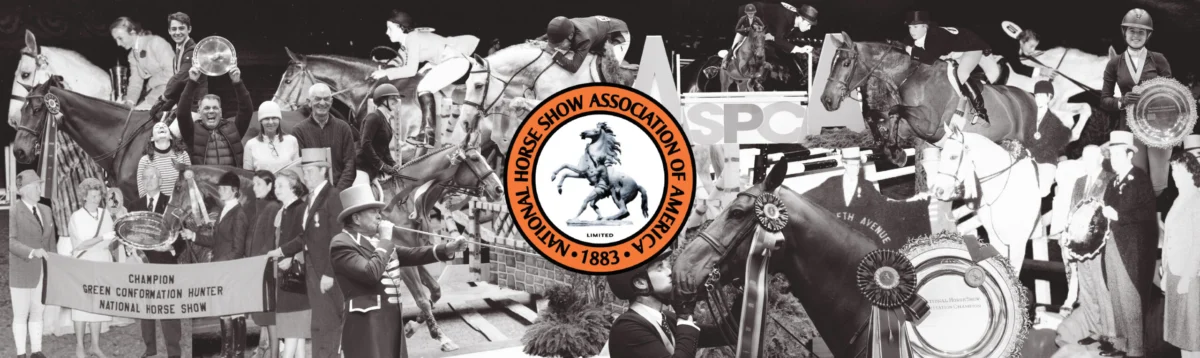
The National Horse Show, a cornerstone of equestrian tradition and competition in the United States, has officially announced its relocation to the state-of-the-art Tryon International Equestrian Center. The United States Equestrian Federation (USEF) formally approved this significant move on Thursday, April 9, 2026, marking a pivotal moment in the storied history of one of America’s oldest and most prestigious equestrian events. This transition signifies a new chapter, promising enhanced opportunities for athletes, spectators, and stakeholders while honoring the rich legacy that has defined the National Horse Show for over a century.
The decision to relocate comes after a period of extensive deliberation and collaborative effort, prioritizing the welfare of the equine athletes and the overall experience of participants. The National Horse Show, with its deep roots in equestrian sport, has consistently adapted to the evolving landscape of the industry. This move to Tryon International, a venue renowned for its world-class facilities and commitment to equestrian excellence, is seen as a strategic step to ensure the continued growth and success of the event. The organization expressed profound gratitude to its board members, dedicated committees, industry professionals, and loyal exhibitors for their invaluable input and unwavering support throughout this transformative process.
A New Home for a Historic Event: The Tryon International Advantage
The selection of Tryon International as the new home for the National Horse Show is underpinned by the venue’s established reputation for hosting top-tier equestrian competitions. Located in Mill Spring, North Carolina, Tryon International boasts an expansive infrastructure designed to accommodate a wide array of disciplines and a significant number of competitors. The facility features multiple competition arenas, expansive stabling, meticulously maintained grounds, and spectator amenities that are designed to enhance the viewing experience.
William H. Weeks, Chairman of the National Horse Show, articulated the rationale behind this momentous decision: "This decision reflects a thoughtful and collaborative process that prioritized the well-being of the horses while incorporating valuable input from our professionals and board members. Tryon International offers a world-class environment that supports both horse and rider, and we believe this move positions the National Horse Show for success. It’s an exciting new chapter for the National Horse Show—one that reflects the evolution of our sport while honoring the rich history that defines it."
The emphasis on horse welfare is a critical component of this relocation. Modern equestrian sports increasingly demand venues that can provide optimal conditions for the health, safety, and performance of the equine athletes. Tryon International’s comprehensive approach to facility management, including advanced footing in arenas, ample turnout areas, and professional veterinary support services, aligns perfectly with these evolving priorities. This commitment to equine welfare is not merely an operational consideration but a fundamental ethical imperative that resonates throughout the equestrian community.
Historical Context: The Enduring Legacy of the National Horse Show
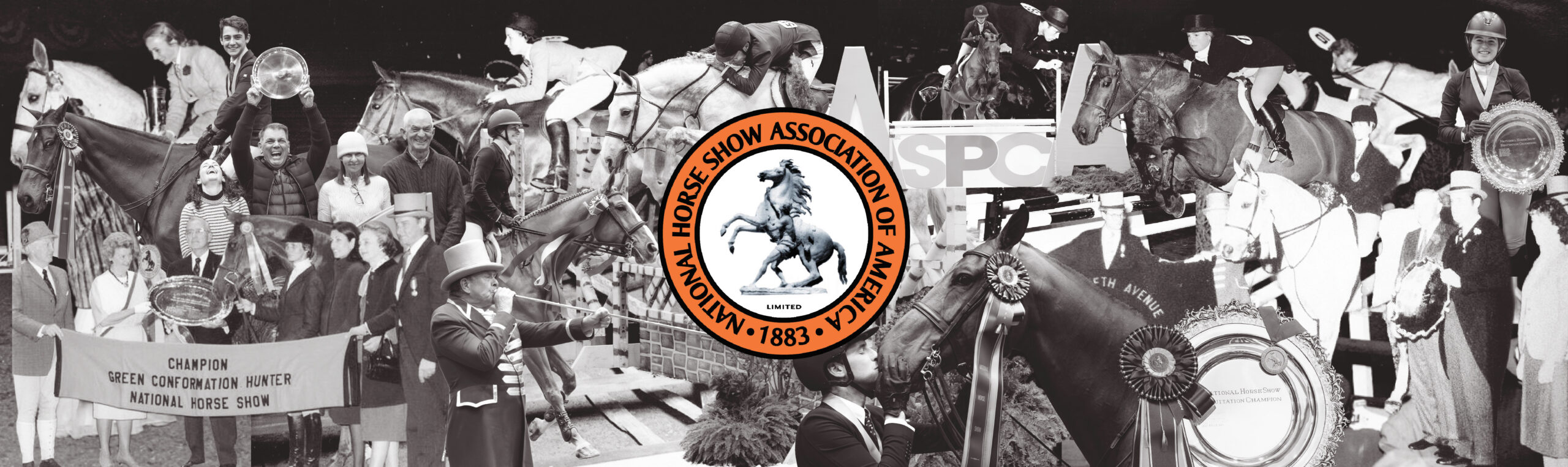
Founded in 1883, the National Horse Show has been a beacon of equestrian excellence for generations. Originally held at Madison Square Garden in New York City, the event has witnessed the evolution of equestrian sport from its nascent stages to its current global prominence. Over its long history, it has served as a crucial platform for showcasing American talent, fostering international rivalries, and celebrating the partnership between horse and rider.
Throughout its existence, the National Horse Show has been synonymous with prestige, attracting the nation’s leading riders and showcasing a diverse range of disciplines, including show jumping, dressage, and hunter competitions. Its move from its long-standing New York City home to various locations in the past, including Lexington, Kentucky, and now Tryon, North Carolina, demonstrates its adaptability and its commitment to finding environments that best serve the needs of the sport and its participants in the current era.
The organization’s ability to adapt and evolve is a testament to its enduring relevance. Each relocation has presented unique challenges and opportunities, and the transition to Tryon International is poised to build upon this legacy of resilience and forward-thinking. The continuity of the National Horse Show, despite these shifts, underscores its deep-seated importance within the equestrian calendar and its unwavering appeal to a passionate fanbase.
The Chronology of the Relocation Decision
The process leading to the official announcement of the relocation was a meticulously managed undertaking. While the precise timeline of internal discussions remains proprietary, the formal approval by the USEF on April 9, 2026, indicates a final consensus reached after thorough evaluation. This approval signifies that the proposed relocation meets the rigorous standards set forth by the governing body of equestrian sport in the United States, ensuring compliance with rules, regulations, and ethical guidelines.
Key milestones likely included:
- Initial Exploration and Feasibility Studies: The National Horse Show board and management would have initiated an assessment of potential new venues, considering factors such as facility capabilities, logistical considerations, accessibility for participants and spectators, and alignment with the event’s brand and values.
- Site Visits and Negotiations: Prospective venues, including Tryon International, would have been visited and evaluated in detail. Negotiations regarding rental agreements, scheduling, and operational support would have taken place.
- Stakeholder Consultation: Gathering input from key stakeholders, including riders, trainers, owners, sponsors, and the broader equestrian community, would have been a crucial step. This consultative approach ensures that the decision is well-received and supported by those most invested in the event’s success.
- USEF Review and Approval Process: Once a preferred venue was identified and preliminary agreements were in place, the proposal would have been submitted to the United States Equestrian Federation for official review and approval. This process involves ensuring the venue and event plans adhere to USEF rules and regulations.
- Official Announcement: Following USEF approval, the National Horse Show organization would then proceed with the formal public announcement of the relocation.
The swiftness of the USEF approval suggests that Tryon International had already met many of the required benchmarks and that the National Horse Show had presented a comprehensive and compelling plan for the event’s operation at the new location.
Supporting Data and Infrastructure at Tryon International
Tryon International Equestrian Center is a purpose-built facility designed to cater to the highest levels of equestrian competition. Its infrastructure offers significant advantages for an event of the National Horse Show’s stature:
- Arena Capacity and Quality: The venue boasts multiple arenas, including the George H. Morris Arena, known for its world-class footing and capacity to host major show jumping events. The availability of diverse arena sizes and types ensures that all disciplines within the National Horse Show can be accommodated effectively.
- Stabling Facilities: Tryon International offers extensive stabling, capable of housing hundreds of horses. The modern design of the stables prioritizes horse comfort and safety, with ample space and well-ventilated accommodations.
- Riding and Training Areas: Beyond the competition arenas, the facility provides numerous riding and training areas, allowing competitors to prepare their horses effectively in the days leading up to and during the event.
- Spectator Amenities: The venue is equipped with seating areas, hospitality spaces, and dining options designed to enhance the experience for spectators. Its scenic location also provides a picturesque backdrop for the competition.
- Logistical Support: Tryon International has a proven track record of managing large-scale equestrian events, indicating robust logistical support for transportation, security, and on-site services.
The economic impact of hosting a major equestrian event like the National Horse Show can be substantial for the host region. Tryon International’s location in North Carolina positions it to attract not only domestic competitors and spectators but also international visitors, contributing to the local economy through tourism, hospitality, and retail.
Reactions and Inferences from Related Parties
While official statements from all parties may not be immediately available, the relocation of a prestigious event like the National Horse Show typically garners reactions from various stakeholders within the equestrian community.
- Competitors: Many riders and trainers are likely to welcome the move, especially those who have previously competed at Tryon International and are familiar with its high standards. The prospect of competing in a state-of-the-art facility with excellent horse welfare provisions is a significant draw. Concerns might arise regarding travel logistics for those based in regions far from North Carolina, but the overall consensus often leans towards appreciating improved competition environments.
- Sponsors and Partners: Long-standing sponsors of the National Horse Show are likely to view this relocation as an opportunity to engage with a world-class venue and potentially reach new audiences. The event’s ability to maintain its prestige and attract top talent will be a key factor in continued sponsorship.
- Equestrian Governing Bodies: The USEF’s approval signifies their endorsement of the move, indicating confidence in Tryon International’s ability to meet the sport’s standards. Other international governing bodies, such as the Fédération Equestre Internationale (FEI), will also be aware of the relocation, as it impacts the global competition circuit.
- Local Community: The relocation is expected to bring economic benefits to the Tryon and surrounding areas, creating opportunities in hospitality, tourism, and related services. Local businesses and residents will likely anticipate an influx of visitors during the event.
The National Horse Show’s proactive approach in seeking a venue that aligns with modern equestrian needs underscores its commitment to the sport’s future. This move is not just about a change of address but about strategically positioning the event for sustained relevance and excellence in the years to come.
Broader Impact and Implications for the Sport
The relocation of the National Horse Show to Tryon International carries several significant implications for the broader equestrian landscape:
- Centralization of Major Events: With other significant equestrian events also held at Tryon International, this move contributes to the potential for a more centralized hub for major competitions in the United States, potentially streamlining logistical planning and resource allocation for the sport.
- Emphasis on Horse Welfare as a Standard: The explicit prioritization of horse welfare in this relocation decision reinforces its growing importance as a non-negotiable aspect of equestrian sport. This sets a precedent for other events and venues to continually assess and improve their practices.
- Evolution of Traditional Events: The National Horse Show’s move is indicative of how long-standing and traditional events must adapt to remain relevant in a dynamic sporting world. It demonstrates that heritage and innovation can coexist and, indeed, enhance each other.
- Geographic Accessibility and Audience Reach: The shift to North Carolina may open up the event to a different demographic of spectators and participants, potentially increasing its reach and diversifying its audience.
As the National Horse Show embarks on this new chapter at Tryon International, it carries with it a legacy of excellence and a forward-looking vision. The combination of a historic event with a modern, world-class venue promises an exciting future for equestrian sport, ensuring that the National Horse Show continues to be a premier destination for competition, camaraderie, and the celebration of the horse. The coming years will undoubtedly reveal the full scope of this transformative move, but the initial indications point towards a promising and enduring era for this iconic equestrian institution.