 rifanmuazin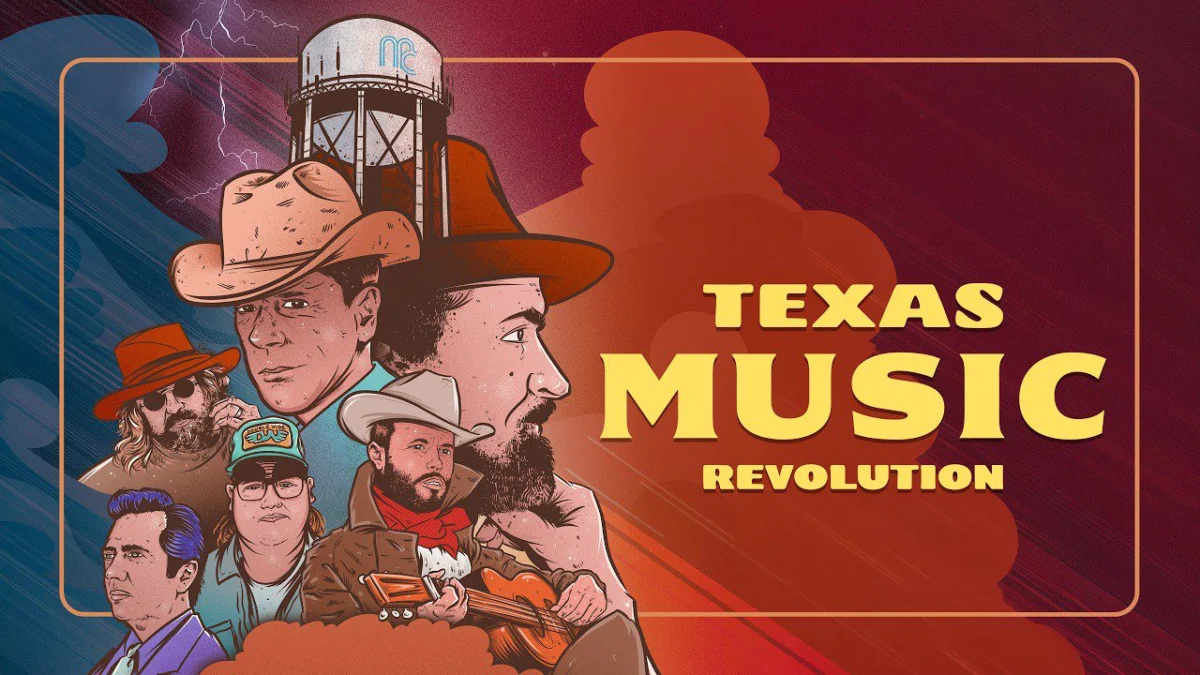
The cultural and sonic divide between the mainstream country music industry of Nashville and the independent landscape of Texas country has long been a subject of scholarly and artistic debate. While both movements operate under the broader umbrella of country music, they represent fundamentally different philosophies regarding production, songwriting, and the relationship between the artist and the audience. This distinction is the central theme of a new documentary, Texas Music Revolution, which explores the legacy of the eponymous music festival and the broader "Texas Country" sub-genre. Directed by filmmaker Troy Paff, the documentary provides an exhaustive behind-the-scenes look at the 25th-anniversary edition of the Texas Music Revolution (TMR) festival, offering a lens into the grit, authenticity, and logistical complexities that define the regional music circuit.
The Historical Evolution of Texas Country Music
To understand the significance of the Texas Music Revolution Festival, one must first examine the historical roots of the music it celebrates. The Texas country movement is deeply intertwined with the "Outlaw Country" movement of the 1970s. During this era, artists such as Willie Nelson and Waylon Jennings famously departed the rigid, highly polished production standards of Nashville to return to Texas, seeking creative autonomy. This migration established Austin and the surrounding Hill Country as a sanctuary for songwriters who prioritized storytelling and raw instrumentation over radio-friendly pop sensibilities.
The movement was further solidified by the "Red Dirt" scene, originating in Oklahoma and merging seamlessly with Texas’s cowboy culture. This lineage of songwriting—championed by icons like Guy Clark, Jerry Jeff Walker, and Robert Earl Keen—emphasizes the lived experience of the American West. Over the last three decades, this sound has evolved from a regional niche into a significant commercial force. Modern standard-bearers like Pat Green, Randy Rogers, and Stoney LaRue have demonstrated that Texas artists can maintain massive, dedicated fan bases and achieve commercial success without the traditional backing of Nashville’s major label system. The Texas scene has developed its own infrastructure, including independent radio stations, dedicated charts, and a robust touring circuit that allows artists to sustain lucrative careers entirely within the state’s borders.
The Texas Music Revolution Festival: A Thirty-Year Legacy
The Texas Music Revolution Festival, held annually in McKinney, Texas, has served as a cornerstone of this independent ecosystem for three decades. Founded by Joshua Jones, the General Manager of the influential indie radio station KHYI-FM (The Range), the festival was designed to showcase the diversity and depth of the Texas music scene. Over the years, the event has hosted a prestigious roster of performers, including Kacey Musgraves, Ryan Bingham, Lukas Nelson, the Turnpike Troubadours, and Whiskey Myers.
The festival’s location in McKinney, a historic city north of Dallas, provides a backdrop that aligns with the traditionalist aesthetic of the music. The event has become a vital economic driver for the region, drawing thousands of attendees and providing a platform for both established legends and emerging "indie" talent. As mainstream country festivals have faced increasing consolidation under corporate entities like Live Nation and AEG, TMR has remained a stubbornly independent operation, mirroring the "do-it-yourself" ethos of the artists it features.
Documentary Focus: The Challenges of the 25th Anniversary
The documentary film, Texas Music Revolution, focuses specifically on the 25th-anniversary festival held in 2021. This particular year presented a unique set of challenges that tested the resilience of the organizers and the community. As the world began to emerge from the global COVID-19 pandemic, the live music industry faced a volatile landscape. Promoters were required to navigate fluctuating health protocols, labor shortages, and a nervous public, all while attempting to revive an industry that had been largely dormant for over a year.
Filmmaker Troy Paff followed Joshua Jones and his team as they managed the high-stakes production. The film captures the logistical hurdles inherent in staging a massive outdoor event, including the unpredictable North Texas weather. In the documentary, the "true Texas spirit" is put to the test when severe weather threatens to derail the performances. However, the narrative emphasizes that the show must go on—a recurring theme in the history of independent music. The 2021 lineup, which included Charley Crockett, Joshua Ray Walker, Ray Wylie Hubbard, and Kiefer Sutherland, serves as a testament to the genre’s broad appeal and its refusal to be sidelined by external crises.
Data and Economic Impact of the Texas Music Scene
The documentary arrives at a time when the economic impact of the Texas music industry is reaching record heights. According to the Texas Music Office, a division within the Office of the Governor, the music industry in Texas accounts for more than 210,000 permanent jobs and generates approximately $27.3 billion in annual economic activity. This includes everything from live performance venues and recording studios to music education and instrument manufacturing.
Events like the Texas Music Revolution Festival are critical components of this economic engine. By prioritizing local and regional talent, these festivals ensure that revenue remains within the state, supporting a localized ecosystem of vendors, technicians, and hospitality workers. Furthermore, the rise of streaming platforms has allowed Texas country artists to reach global audiences without the need for Nashville radio play. Data from platforms like Spotify and Apple Music indicate that "Texas Country" and "Red Dirt" are among the fastest-growing sub-genres in the roots music category, with listenership expanding significantly in international markets such as the United Kingdom and Australia.
Analysis of Authenticity in the Age of Artificial Intelligence
One of the more profound implications explored in the documentary and the surrounding discourse is the concept of authenticity. In an era where the music industry is grappling with the rise of Artificial Intelligence (AI) and the increasing "formulaic" nature of pop-country songwriting, the Texas scene is positioned as a bastion of human-centric artistry.
Industry analysts observe that the Texas Music Revolution Festival thrives because it offers something that cannot be replicated by algorithms: a sense of place and a shared cultural identity. The grit and soul captured in the documentary highlight the "unpolished" nature of the performances—vocal imperfections, improvisational instrumentation, and lyrics that deal with the complexities of rural and working-class life. This authenticity is the primary driver of the genre’s passionate fan base. Unlike the often-transient nature of mainstream pop success, Texas country fans tend to exhibit lifelong loyalty to artists, supporting them through decades of touring and independent releases.
Official Responses and Industry Outlook
While official statements from the festival organizers emphasize the celebratory nature of the documentary, they also acknowledge the weight of the 30th anniversary in 2024. Joshua Jones has noted in various industry forums that the survival of independent festivals depends on the continued support of local communities and the rejection of corporate homogenization. The documentary is viewed not just as a retrospective, but as a "call to arms" for the preservation of independent music spaces.
Critics who have viewed early screenings of the film have praised Paff’s "fly-on-the-wall" approach, which eschews the glossy, promotional tone of typical concert films in favor of a more realistic, sometimes stressful depiction of event management. By showing the "cracks in the armor"—the mud, the technical glitches, and the financial risks—the film humanizes the organizers and reinforces the dedication required to maintain a regional music tradition.
Chronology of Release and Future Prospects
The documentary Texas Music Revolution is scheduled for a limited theatrical run in late May, providing audiences with a cinematic experience of the festival’s high-energy performances and dramatic behind-the-scenes moments. Following its theatrical premiere, the film will be made available on major streaming platforms starting June 5. This date is strategically timed to coincide with the 30th-anniversary edition of the festival, creating a synergistic moment for the brand.
As the Texas Music Revolution Festival enters its fourth decade, it stands as a symbol of the enduring power of regionalism in the arts. The documentary serves as a historical record of a pivotal moment in the festival’s history, capturing the intersection of a global pandemic, the inherent volatility of the music business, and the unwavering commitment of the Texas music community. In a rapidly changing technological and cultural landscape, the film suggests that as long as there is a story to tell and a stage to stand on, the Texas music scene will continue to operate on its own terms, miles apart from the influences of Nashville.