 rifanmuazin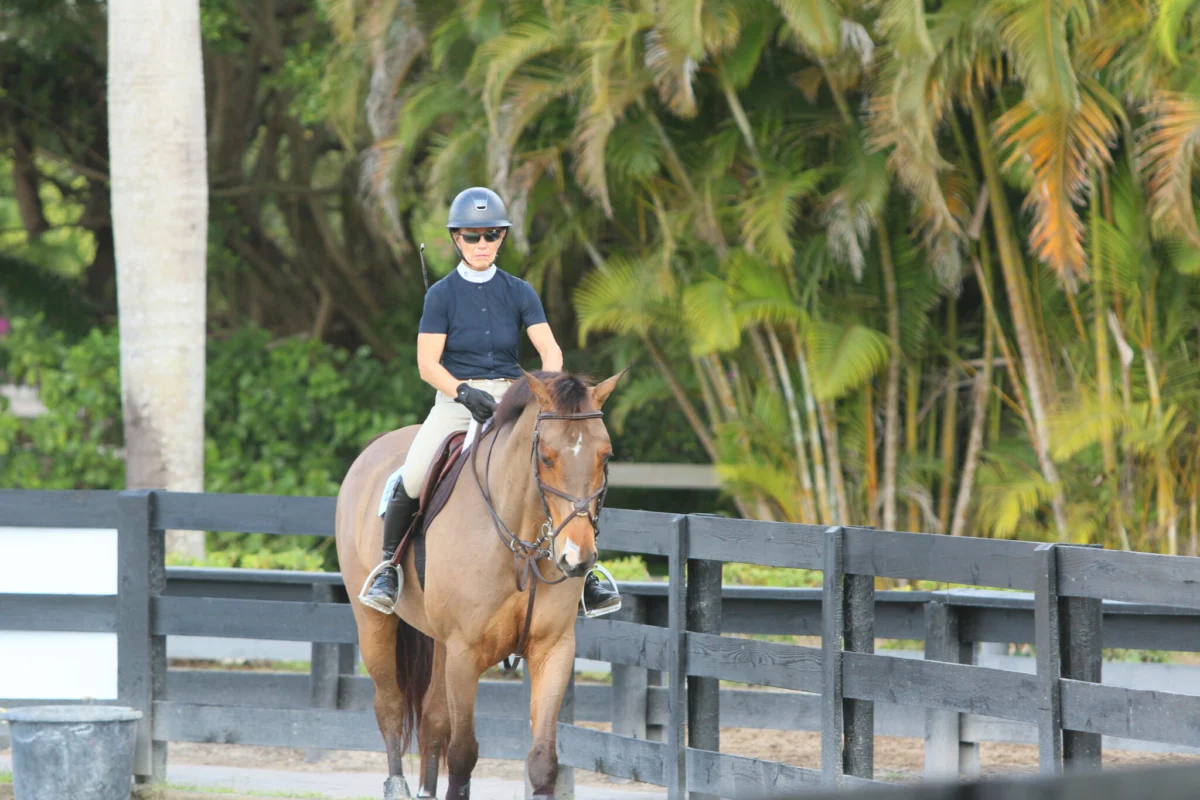
The pursuit of straightness in horses is a cornerstone of equestrian excellence, impacting everything from a horse’s ability to generate power over fences to its overall athleticism and soundness. This principle, often overlooked in the heat of competition, is fundamental for jumpers at all levels, influencing their technique in the air, their ability to maintain balance, and their capacity to execute precise lines between obstacles. Understanding and addressing a horse’s natural one-sidedness is not merely about aesthetics; it’s about unlocking their full potential and ensuring their long-term well-being.
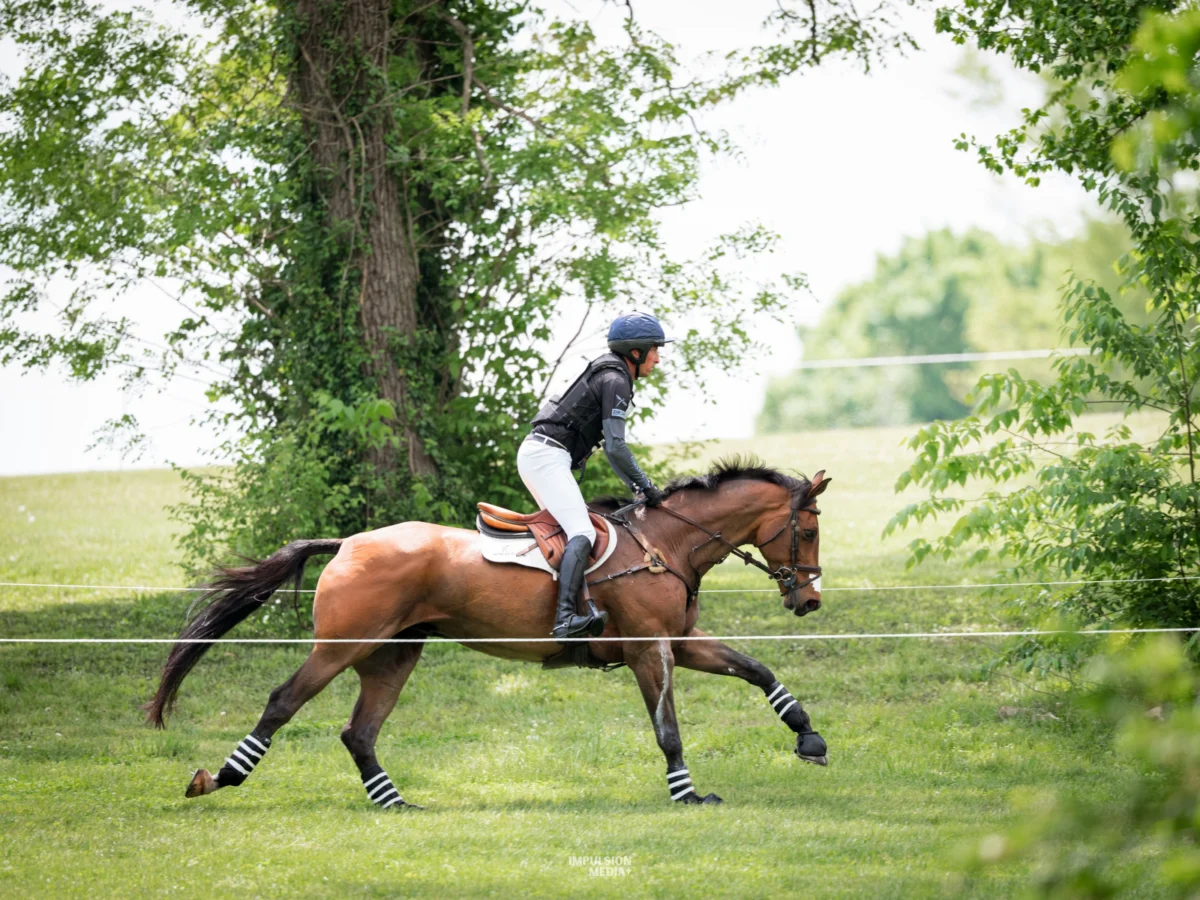
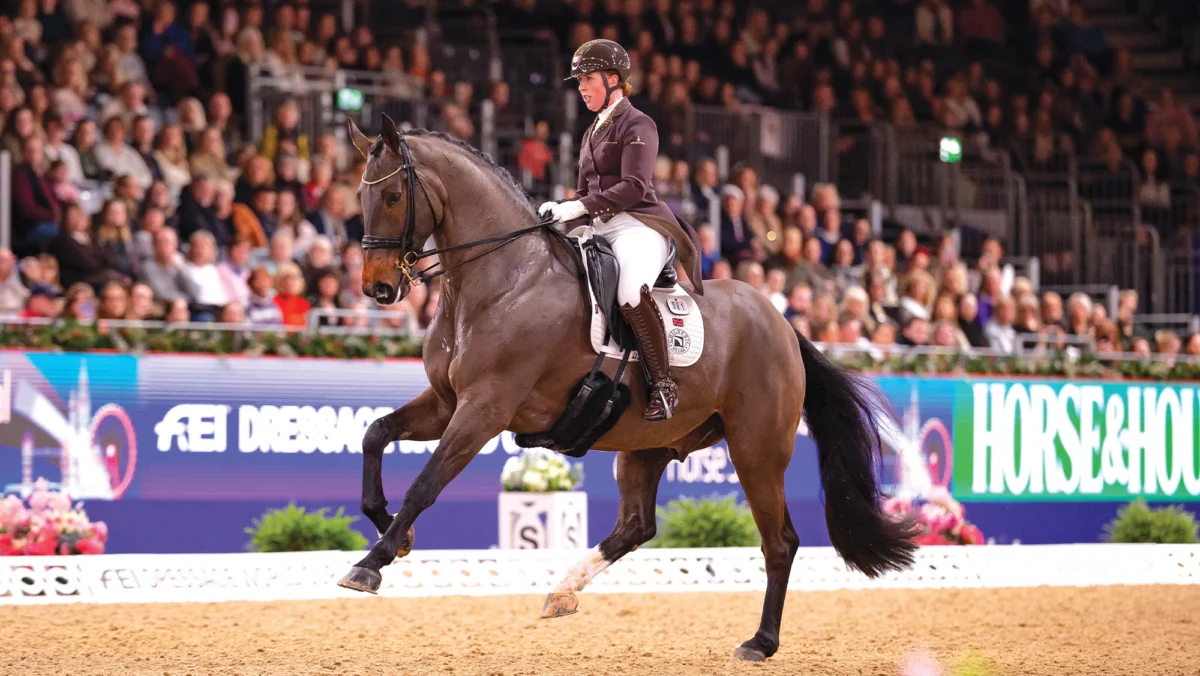
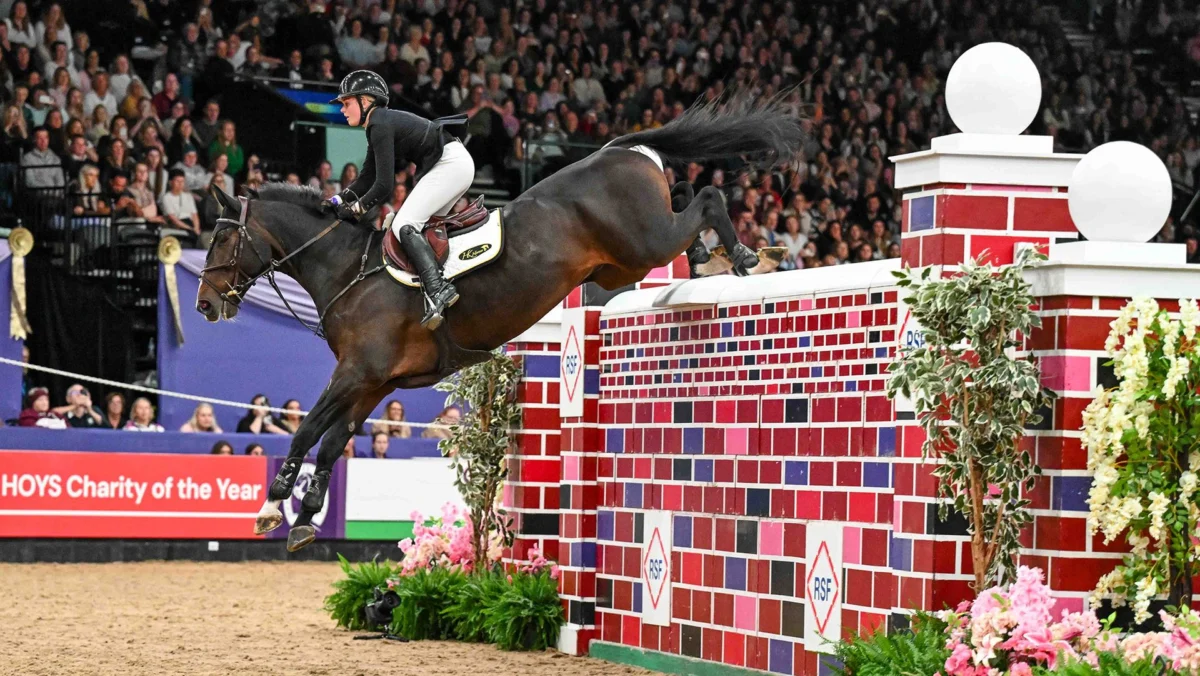
At its core, straightness means a horse travels with each hind foot precisely following the track of its corresponding forefoot. This ideal alignment translates into tangible benefits for a jumping horse. When a horse is straight, it can push off its hind legs with equal force, enabling more powerful and dynamic jumping efforts. In the air, this translates to a more correct and symmetrical jumping form, characterized by square shoulders, even leg extension, and a lack of twisting. Crucially, straightness allows a horse to maintain a consistent and predictable line to the next fence, a vital component of successful course riding.
The prevalence of crookedness in horses is often rooted in their natural asymmetry. Much like humans, horses exhibit a dominant side, being stronger and more comfortable moving in one direction than the other. This inherent bias can be inadvertently exacerbated by common training practices. For instance, continuous work on circles and turns, particularly when over-bending a horse’s body to the point of tension and muscle soreness, can reinforce this one-sidedness. A frequently cited error is approaching every schooling fence on a turn, which inadvertently allows a horse to "cheat" by jumping on a slight angle, further strengthening its dominant side while neglecting its weaker counterpart.
Furthermore, introducing advanced exercises like lateral work and adjustability before a horse has achieved a fundamental level of straightness can be counterproductive. These exercises, when applied to an unbalanced horse, can not only solidify existing strength imbalances but also create evasive behaviors that become more challenging to correct later in training.
To address this pervasive issue, a systematic approach is required, beginning with accurate assessment and progressing to targeted correction. A simple yet revealing straightness test can provide invaluable insights into a horse’s inherent tendencies and areas requiring improvement.
The Straightness Test: Identifying Imbalances
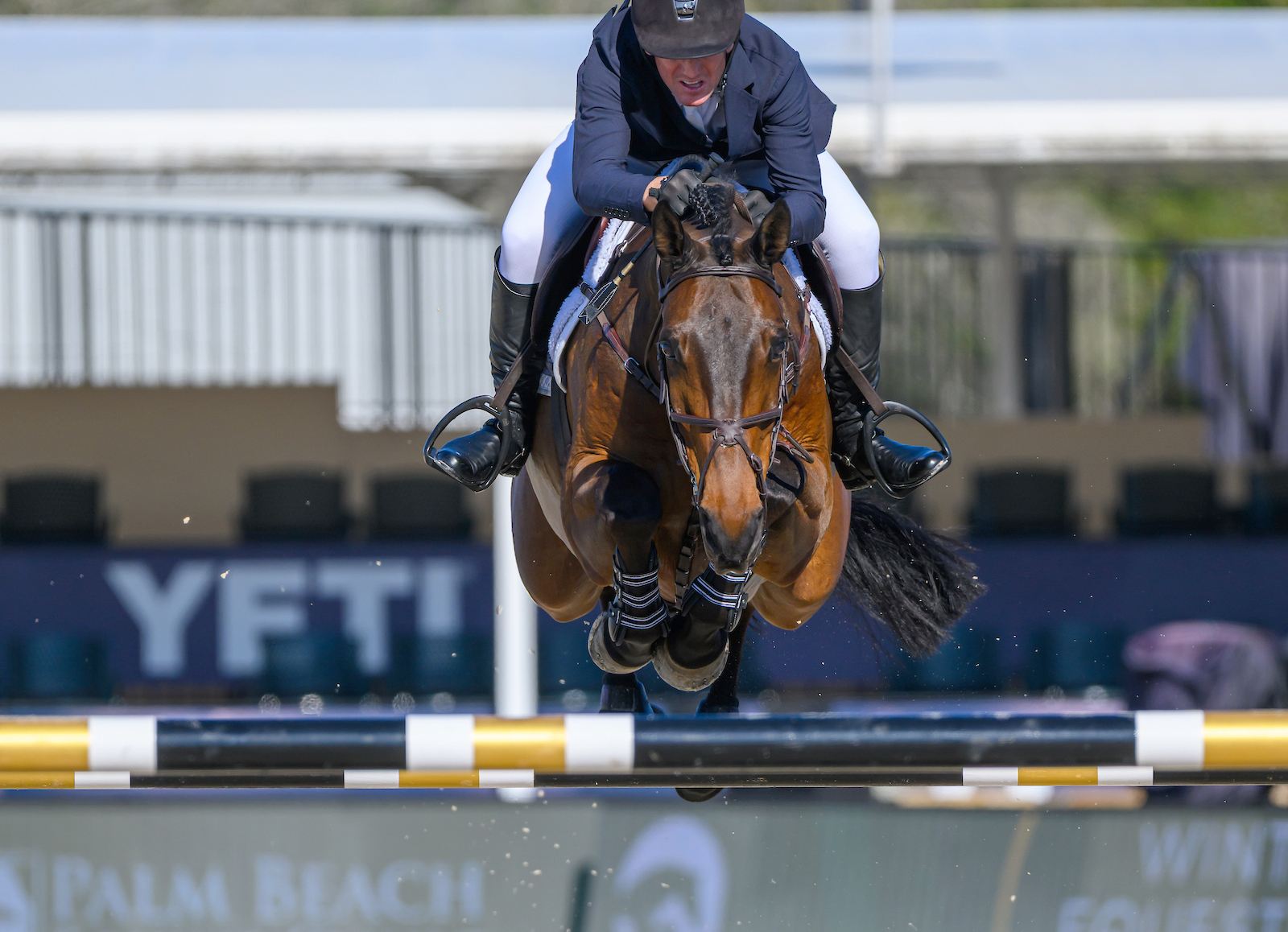
A foundational straightness test involves having the horse travel down the arena’s centerline or quarterline towards a fixed point, such as a helper on the ground or a mirror. The observer’s task is to note whether the horse’s head and neck are positioned directly in the center of its chest, and whether its haunches are drifting to either side of its body. While seemingly elementary, this exercise often reveals significant deviations from true straightness.
This test serves as a diagnostic tool, highlighting a horse’s weaknesses. Common observations include consistent haunch drift to one side, a dropped or bulging shoulder, or an uneven contact on the reins. Frequently, a crooked horse will exhibit all three of these tendencies simultaneously. For example, a horse that swings its haunches to the right may simultaneously drop its left shoulder and lean on the left rein, actively avoiding contact on the right.
To further assess and begin correcting these imbalances, the implementation of a ground pole chute can be highly effective. By creating a narrow channel with ground poles flanking the centerline or quarterline, horses are encouraged to maintain a straight path. Initially, pairs of poles are placed at intervals along the track. Gradually, the space between these pole pairs is narrowed, forcing the horse to focus on maintaining a straight line between them. This exercise challenges the horse’s tendency to drift and provides immediate feedback on its straightness.
The Correction: Realigning the Horse’s Body
Correcting a horse’s crookedness often proves more effective by addressing the alignment of the shoulders in relation to the haunches, rather than attempting to push the massive hindquarters into line, especially within the limited timeframe between jumps. Horses naturally tend to move away from pressure, meaning direct leg aids to realign the hindquarters might inadvertently elicit a forward reaction rather than a straightening one. Adjusting the shoulders, on the other hand, requires less rider strength and is less likely to induce tension.
The process begins with establishing a relaxed and receptive state in the horse. The initial phase of a ride should involve quiet walking until the horse demonstrates relaxation, signaled by a deep breath. Once comfortable, the rider should transition to an active, working walk along the rail, focusing on the horse’s "stiff" or more difficult-to-turn direction. For a horse that tends to drop its left shoulder, for instance, this would involve tracking left.
The rider then employs a specific rein aid: the outside rein is taken slightly further out to the side. This encourages the horse to accept contact on that rein and move its shoulders outward, filling the space created by the opened rein. Simultaneously, the rider must be prepared with both legs to maintain impulsion, ensuring the horse continues to move forward. The principle here is that forward motion is essential for achieving straightness.
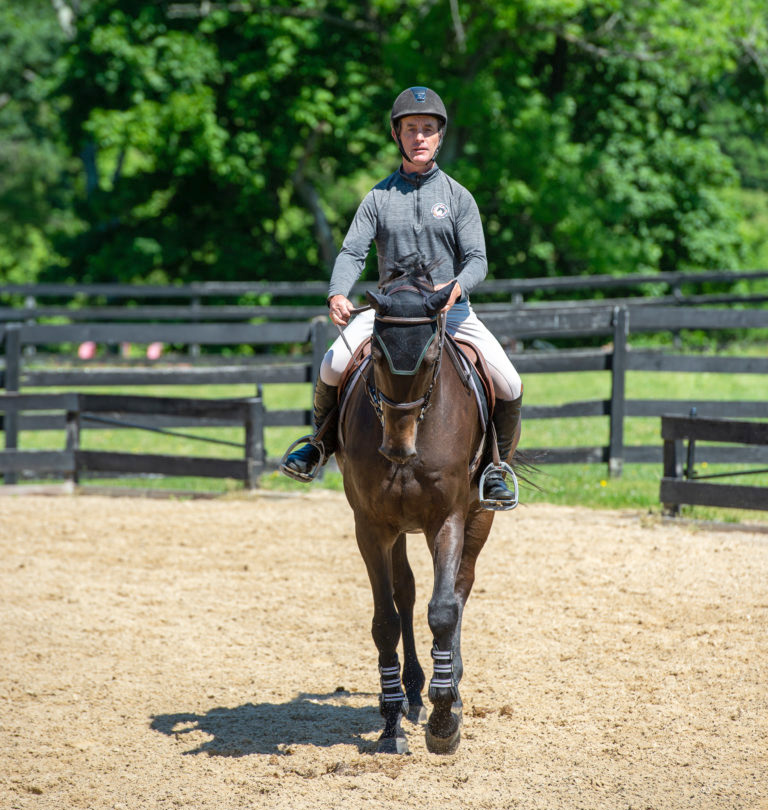
Upon feeling contact on the outside rein, a mild inside bend is introduced. This bend should be subtle, just enough to allow the rider to perceive the corner of the horse’s eye. This is achieved by closing the inside leg on the girth, supported by a passive outside leg behind the girth, and gently nudging the horse’s nose inward with the inside rein. This action helps to lift and lighten the affected shoulder.
If the horse resists this subtle bend, the rider can transition to a 10-meter circle, gently repeating the outside rein opening and inside bending aids. The objective remains a minimal bend, just enough to see the corner of the eye. Over-bending or excessive head-wringing can cause energy to dissipate through the shoulders, negating the forward momentum. After completing the circle, the rider returns to the track and re-applies the straightening aids.
This shoulder-alignment exercise should form the initial 10 to 15 minutes of the warm-up. It’s crucial to utilize the entire arena, foster relaxation, and avoid a struggle with the reins. Practicing these aids within the ground pole chute can also be beneficial, reinforcing straightness between the poles and utilizing a mirror or ground helper for feedback. While most horses respond best at the walk, a lazier horse might benefit from this exercise at the trot.
Advanced Correction: Counter-Canter for Suppleness
For riders and horses proficient in counter-canter, this gait offers a potent tool for straightening and suppling. Performing counter-canter in the horse’s stiff direction compels it to engage and strengthen its weaker side. For example, a horse that struggles with right turns, characterized by a bulging left shoulder and a falling right hip, can benefit from practicing counter-canter on the right lead while tracking to the right. This encourages the horse to unlock stiffness and align its hips with its body.
If a horse finds this challenging initially, it’s advisable to ask for only short durations of counter-canter. Riding several feet off the rail can reduce the demands in the corners. As the horse’s strength and alignment improve, it will find it easier to maintain the counter-canter for longer periods and navigate corners more effectively.
To further enhance the challenge and benefits of this exercise, slight changes of bend can be incorporated on the long sides of the arena. For instance, while cantering on the right lead to the right, a subtle right bend can be introduced on the straightaway. This bend should be challenging enough to engage the horse but not so pronounced that it causes a break in gait or a lead change. Before approaching the next corner, the rider resumes the original left bend and continues the counter-canter through the turn. This practice is highly beneficial for improving alignment and suppleness.
Long and Low: Building Suppleness and Engagement
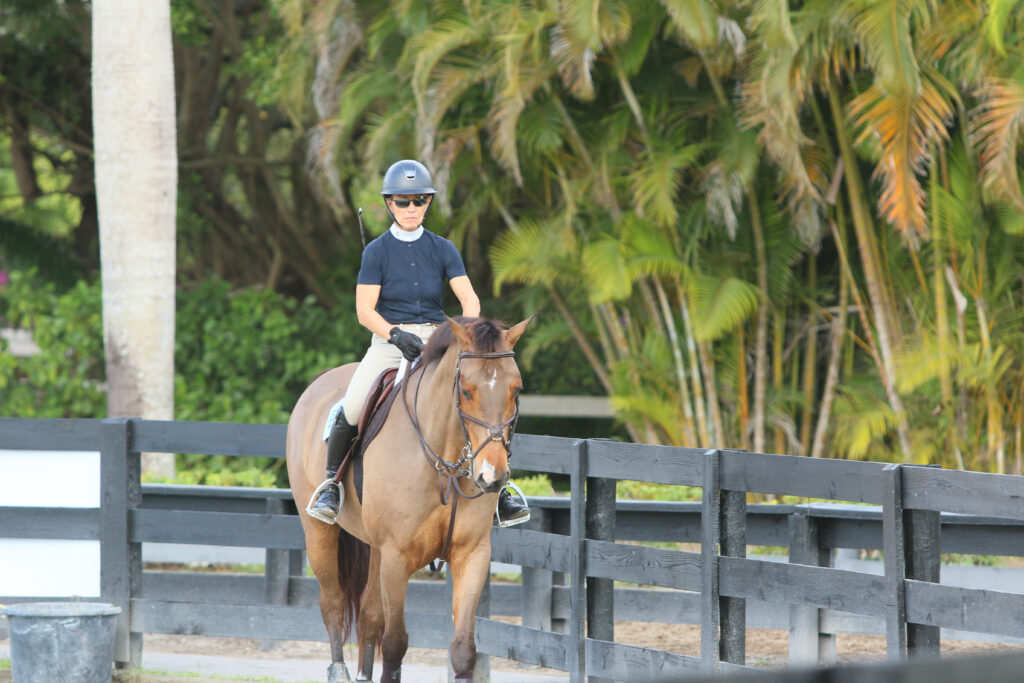
To solidify the straightness achieved through previous exercises and to cultivate suppleness and engagement, dedicating 10 to 15 minutes to "long and low" work is highly recommended. A supple horse exhibits less resistance to contact and moves with greater body straightness.
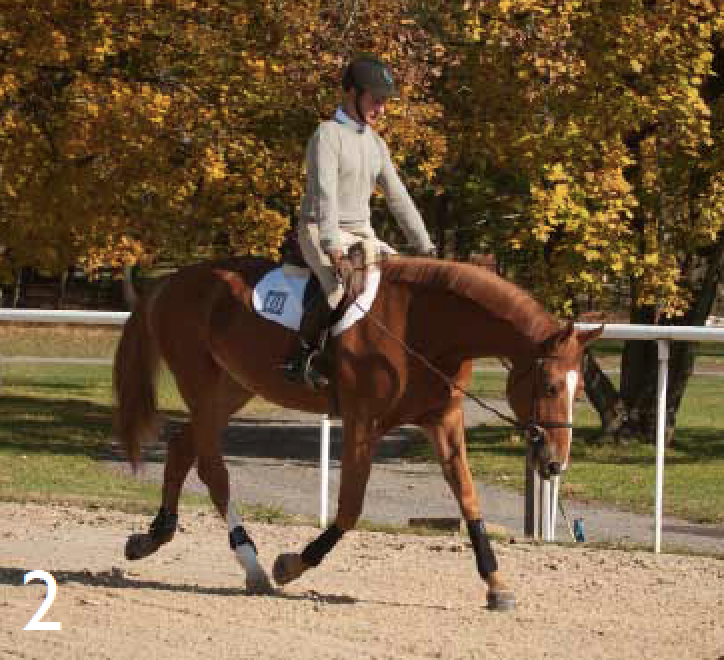
This exercise begins with the rider adopting a regular working trot, utilizing the entire arena. Leg aids are applied to encourage the horse to move forward into the contact. As increased pressure is felt in the hands, the rider can gently manipulate the reins, allowing the bit to move slightly within the horse’s mouth. A positive response is indicated by the horse reaching its nose forward and down. This is immediately rewarded with a release of rein pressure, allowing the reins to slide through the fingers as far as the horse will stretch. Simultaneously, leg pressure is reduced, and the hands are separated slightly to maintain a light contact.
If the horse responds by raising its head, a common initial reaction for horses unfamiliar with this exercise, the rider should imagine holding ski poles. By immediately separating the "poles," the slack in the reins is taken up, and contact is maintained until the horse lowers its head again. Through repetition, the horse learns that stretching forward and down is the most consistent way to achieve a reward.
Initially, a horse may only stretch a few inches. Persistence is key to encouraging a lower stretch. After rewarding a stretch, the rider re-applies leg and hand aids to ask for an even greater reach. Over several weeks, the goal is for the horse to stretch so far that the reins slip all the way to the buckle.
Even as the horse stretches downward, maintaining awareness of its alignment is crucial. If a shoulder drops, the opposite rein is opened to encourage the horse to fill the "gap," mirroring the technique used in the walk exercise. Once the shoulders are straightened, the rider rewards the horse by following its head forward with their hands, encouraging further stretching over the topline.
Troubleshooting: During "long and low," it’s important not to worry if the horse initially appears to fall onto its forehand. If the horse quickens its pace, resist the urge to hold it back with the reins. Instead, use a series of half-halts to slow the horse until it rebalances itself, then re-apply the "long and low" aids, including the rein release upon stretching. This allows the horse the freedom to find its own balance. If the quickening persists, return to a walk and restart the exercise.
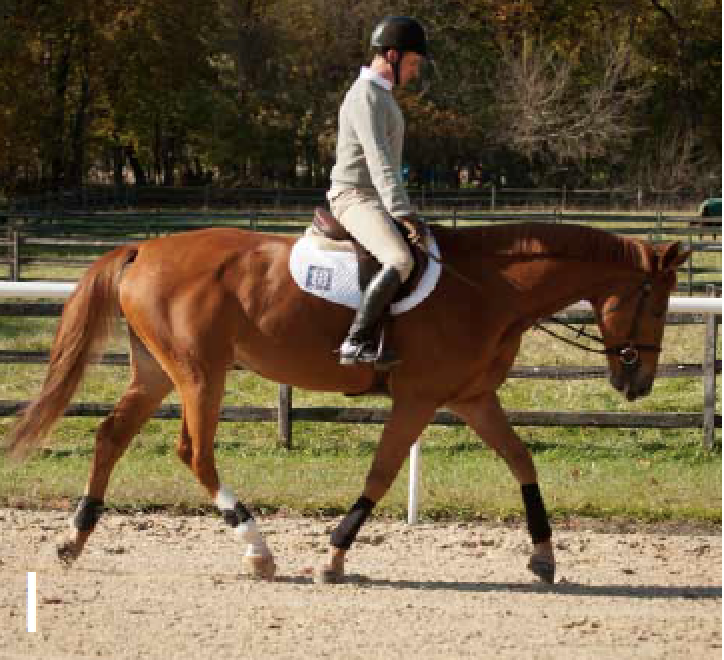
Eventually, with consistent rewarding of forward stretching, the horse will begin to anticipate the aids, relaxing to the point where the rider needs to apply leg aids to maintain forward movement. This signifies newfound balance and acceptance of leg aids, paving the way for increased engagement of the hind legs. Once proficient at the trot, this exercise can also be attempted at the canter, leading to a straighter, suppler, and more responsive horse.
Work on Yourself, Too: The Rider’s Role in Straightness
The rider’s own balance and straightness are paramount throughout every ride. When jumping, maintaining square hips and shoulders is essential. Riders must consciously avoid over-turning in the air or shifting their seat bones laterally, as these habits directly impact the horse’s ability to jump straight. A ground helper can be invaluable in identifying and correcting these rider faults.
If a rider identifies a tendency to overturn in one direction and shift their seat bones in the opposite direction, opening the door for the horse to drift, a corrective reminder is needed. This might involve focusing on keeping the corresponding shoulder or hip back in the air, or leading with the opposite hip. Even seemingly simple cues, like focusing on keeping the chin up over the fence, can help maintain a more balanced and effective jumping position. Experimentation is key to finding what works best for individual riders.
Furthermore, riders must adopt a more disciplined approach to fence approaches. Instead of habitually cantering to jumps on a prepared bend, consider practicing "square" approaches. This involves cantering past the jump, executing a 90-degree turn, cantering straight for several strides, and then making another 90-degree turn onto a straight line towards the center of the jump. In the final strides of the approach, riders should consciously straighten their hips and shoulders, ensuring even leg and rein contact to encourage the horse’s straightness. This becomes a vital pre-jump checklist.
Between jumps, attentive observation of the horse’s straightness and rein contact is crucial. If a horse leans on one rein, the opposite opening rein should be employed to straighten the shoulders, as practiced at the walk. Developing the correct "feel" for a particular horse’s tendencies can take time. Some horses become so heavy on their stiff side that maintaining steady contact feels like lifting a significant weight. In such cases, elasticizing the elbow on that rein, offering and taking contact gently, prevents the horse from bracing against the rider’s aids.
For instance, after a right rollback turn to a jump, if a horse tends to bulge its left shoulder, the rider should remain active in their outside elbow, giving and taking contact to prevent the horse from leaning on the left rein. This helps keep the shoulders aligned, facilitating a straighter approach to the jump.
Over-Fences Exercises: Reinforcing Straightness
Reverse Psychology: This exercise leverages a horse’s habitual behavior. If a horse consistently drifts in one direction over fences, this predictable tendency can be redirected. The strategy involves cantering to a small vertical on the opposite lead to the one the horse normally drifts. For example, if a horse drifts left, approach the jump on the right lead.
In the air over the jump, the rider uses an opening right rein to prompt a right turn upon landing. After turning right, the rider circles back and jumps the fence again on the right lead, repeating this sequence three times. Finally, one or two straight approaches are executed to ensure the correction hasn’t overcompensated, which could lead to drifting in the opposite direction.
Guide Rail on Landing: Another simple warm-up technique involves a ground pole placed on the landing side of a small vertical. This pole is positioned perpendicular to the jump, approximately 10 feet away and 4 feet from the center track on the side the horse tends to drift. The aim is to make the rail easily visible, encouraging the horse to stay on the center track without the risk of stepping on it.
The horse is cantered to this jump several times from each lead, with the rider focusing on squaring their body and the horse’s in the final strides before takeoff. The ground pole, rather than rein aids, is used to guide the horse into a straight landing.
The time required to correct crookedness can vary significantly, from a single day to several weeks, depending on the horse’s degree of imbalance, the rider’s consistency, and their own body awareness. While some horses may always retain a degree of natural one-sidedness, prioritizing straightness through consistent application of these techniques can enable any horse to travel and jump straighter. The underlying principles remain: start from a place of relaxation, avoid forcing the issue, and demand the same level of perfection from oneself as from the horse.
The commitment to a horse’s straightness is not merely a training objective; it is an investment in its athletic longevity, performance potential, and overall well-being. By understanding the root causes of crookedness and diligently applying these corrective strategies, riders can unlock a new level of partnership and achievement with their equine partners.