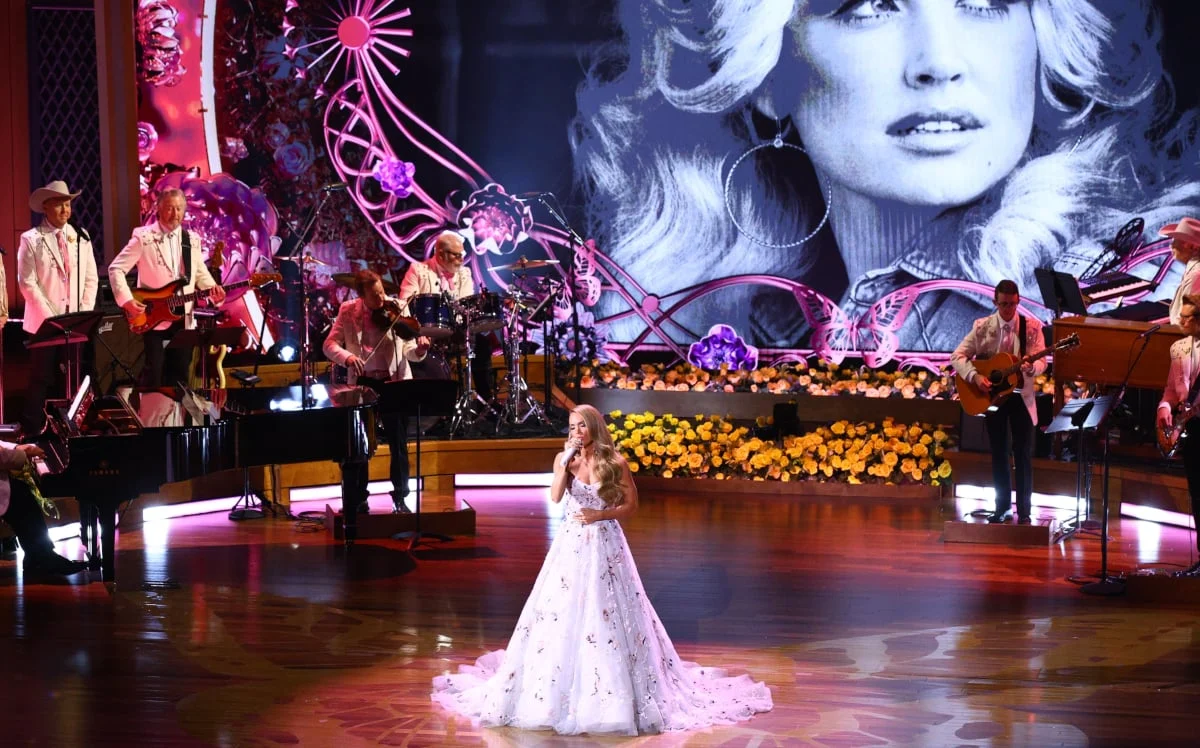
The Country Music Association (CMA) hosted a momentous tribute to the late Dolly Parton on Wednesday, October 21, 2026, at the Fisher Center for the Performing Arts at Belmont University in Nashville. Titled "I Will Always Love You: A Celebration of Dolly Parton," the two-hour primetime special, broadcast live on ABC, served as a comprehensive retrospective of the life, music, and enduring cultural impact of the woman often referred to as the "Queen of Country." The event gathered a diverse assembly of Hall of Fame legends, contemporary superstars, and bluegrass virtuosos to honor a career that spanned more than six decades and transcended the boundaries of musical genres.
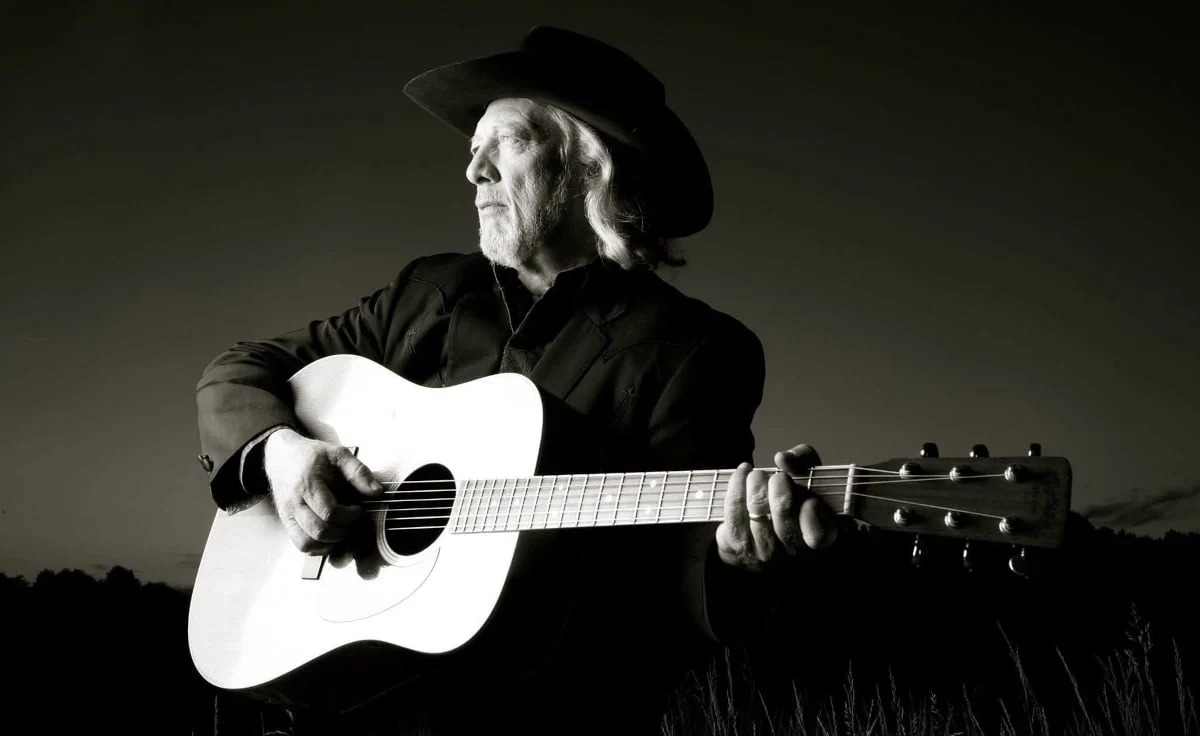
The evening was structured as a chronological and thematic journey through Parton’s biography, beginning with her Appalachian roots and concluding with her status as a global humanitarian and pop-culture icon. However, the atmosphere of the celebration was briefly tempered by the breaking news of the passing of fellow Country Music Hall of Fame member John Anderson, whose death at age 71 was announced during the broadcast, casting a somber shadow over the proceedings and reminding the audience of the fragile nature of country music’s elder statesmanship.
The Foundations of a Legend: Bluegrass and Appalachian Roots
The presentation commenced with a deliberate return to Parton’s musical origins in East Tennessee. Eschewing the high-gloss production often associated with televised specials, the opening segment featured an acoustic ensemble led by Vince Gill, Ricky Skaggs, Molly Tuttle, and Béla Fleck. The group performed "A Few Old Memories," a song originally penned by Hazel Dickens and later recorded by Parton for her 1999 bluegrass revival album, My Grass Is Blue.
This choice of opening was significant to music historians, as it highlighted Parton’s lifelong commitment to the preservation of mountain music. Following this, Lainey Wilson joined the ensemble for a high-energy rendition of "Train, Train," a song that showcased the technical proficiency of the backing musicians, including fiddle player Stuart Duncan. This segment reinforced the narrative that while Parton found fame in pop and film, her technical foundation remained firmly rooted in the intricate picking and storytelling of the Smoky Mountains.
Reba McEntire, serving as a primary host and narrator for the evening, provided the opening remarks. McEntire emphasized that the night was not merely a tally of awards or chart-topping hits, but a celebration of Parton’s "authenticity." McEntire noted that Parton’s public persona was remarkably consistent with her private character, stating that she "became more than a songwriter or an entertainer; she became hope."
Chronological Journey Through the Parton Songbook
As the broadcast progressed, a series of video montages narrated Parton’s rise from a one-room cabin in Locust Ridge to her early professional breaks with her Uncle Bill Owens and her subsequent television stardom on The Porter Wagoner Show. These segments provided the necessary context for the live performances that followed.
Ashley McBryde took the stage to deliver a poignant version of "Coat of Many Colors." Released in 1971, the song is widely regarded as Parton’s most autobiographical work and was added to the National Recording Registry by the Library of Congress in 2011. McBryde’s performance included the spoken-word recitation of the final verses, maintaining the traditional structure of the original recording.
The transition from country traditionalism to mainstream stardom was represented by performances from the next generation of artists. Ella Langley performed "Jolene," Parton’s 1973 hit that has become one of the most covered songs in the history of the genre. Kelsea Ballerini followed with "Here You Come Again," the 1977 track that marked Parton’s first significant crossover into the pop charts. Industry analysts noted that several of these performances were arranged in lower vocal registers than Parton’s original recordings—a tactical choice likely intended to accommodate the differing vocal ranges of the guest performers, though some critics suggested this approach occasionally lacked the "spine-tingling" high notes that characterized Parton’s signature soprano.
Crossover Success and the Hollywood Era
The middle portion of the program focused on Parton’s massive commercial expansion during the late 1970s and 1980s. This era saw Parton transition into a multi-hyphenate star with the success of films like 9 to 5 and Steel Magnolias. During this segment, Darius Rucker performed "Two Doors Down," a disco-influenced country track from the Here You Come Again album.
The collaborative nature of Parton’s career was highlighted by Lady A’s performance of "Islands in the Stream." Originally written by the Bee Gees and recorded as a duet by Parton and Kenny Rogers in 1983, the song remains one of the few country-pop crossovers to reach number one on the Billboard Hot 100, Adult Contemporary, and Country charts simultaneously.
Interspersed between musical numbers were pre-recorded tributes from a wide array of global figures, illustrating the breadth of Parton’s influence. Speakers included Oprah Winfrey, Julia Roberts, Bono, Barbara Mandrell, and Carol Burnett. These testimonials focused less on Parton’s vocal abilities and more on her business acumen and her philanthropic efforts, specifically the Imagination Library, which has gifted over 200 million books to children worldwide.
Faith, Spirituality, and the Gospel Influence
A pivotal moment in the evening occurred when Amy Grant introduced a segment dedicated to Parton’s faith. Parton often spoke of her music as a "ministry," and her catalog includes numerous spiritual and gospel-inflected tracks.
Reba McEntire returned to the stage to perform "He’s Alive," a Don Francisco cover that Parton famously performed at the 1989 CMA Awards. Backed by a full gospel choir, McEntire’s rendition provided the evening’s first major crescendo, resulting in a prolonged standing ovation from the capacity crowd at the Fisher Center. This performance was cited by many attendees as the emotional core of the event, capturing the fervor and conviction that Parton brought to her religious material.
Modern Collaborations and the Legacy of "Butterfly"
The latter half of the special addressed Parton’s final years of recording and her continued relevance to modern artists. Zac Brown performed "Butterfly," a track from his 2025 collaboration with Parton. In a technically sophisticated moment, Parton’s original vocal track was integrated into the live performance, allowing the two voices to harmonize posthumously. Brown explained that the song was inspired by Parton’s lifelong association with the butterfly as a symbol of transformation and beauty.
Brad Paisley, a longtime friend and collaborator of Parton, performed "When I Get Where I’m Going." Originally a number-one hit for Paisley in 2005 featuring Parton’s harmonies, the song took on a new weight in the context of the memorial tribute. Paisley was joined by bluegrass prodigy Sierra Hull, who performed the mandolin parts and handled the vocal harmonies originally sung by Parton.
The Finale: A Masterclass in Vocal Power
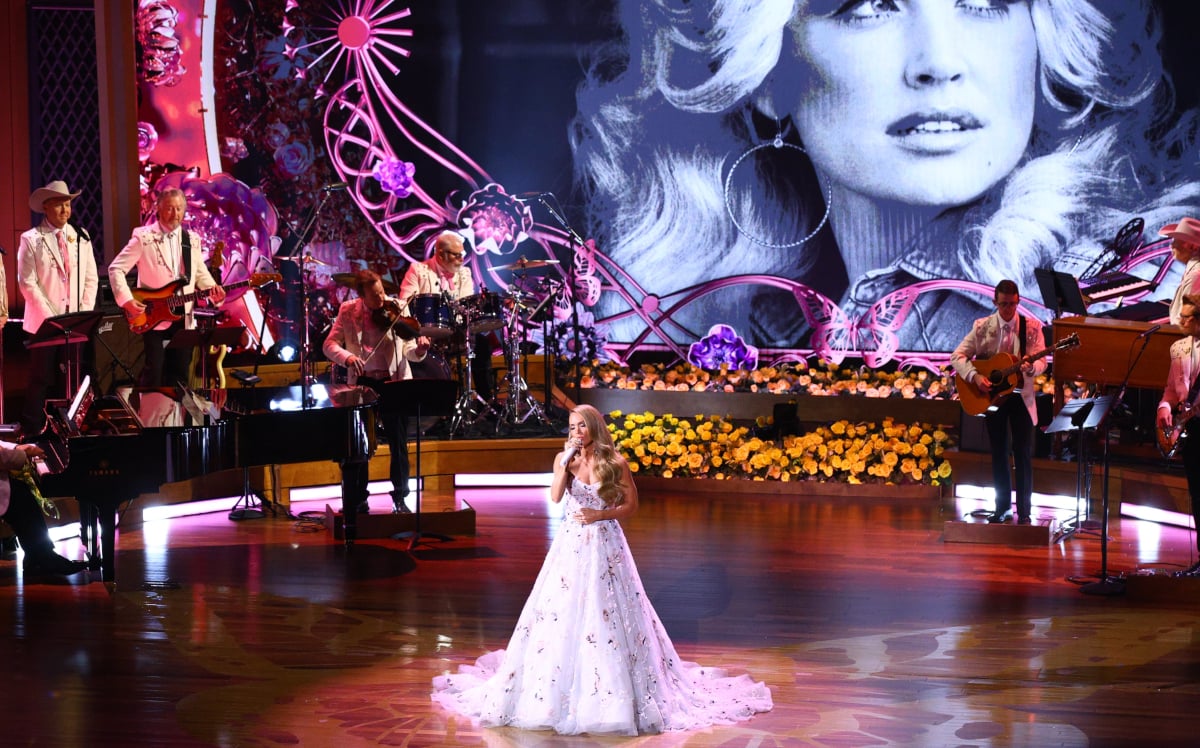
The climax of the evening was the performance of "I Will Always Love You." Originally written in 1973 as a farewell to her professional partner Porter Wagoner, the song gained global immortality through Whitney Houston’s 1992 cover. For the tribute special, the task of performing the ballad fell to Carrie Underwood.
Underwood’s performance was a return to the soaring, high-register vocals that the earlier portions of the night had lacked. Delivering a powerhouse rendition that blended Parton’s country phrasing with the operatic scale of the song’s pop history, Underwood brought the audience to its feet. For the final chorus, she was joined on stage by the entire cast of performers, creating a unified choral tribute to Parton’s most famous composition.
Analysis of Impact and Industry Reflection
"I Will Always Love You: A Celebration of Dolly Parton" was more than a standard musical variety show; it was a strategic effort by the Country Music Association to solidify Parton’s legacy within the pantheon of American cultural icons. By hosting the event at Belmont University’s Fisher Center—a venue known for its world-class acoustics and association with Nashville’s premier music business program—the organizers signaled that Parton’s contributions were worthy of academic and historical reverence.
The broadcast also highlighted the current state of the country music industry. The inclusion of artists like Molly Tuttle and Sierra Hull alongside mainstream stars like Kelsea Ballerini and Zac Brown reflected Parton’s own ability to bridge the gap between "high art" instrumentalism and "commercial" pop success. However, some observers noted the absence of Parton’s immediate family members, such as her sister Stella Parton, who has been a vocal guardian of the family’s legacy.
Furthermore, the timing of the special coincided with a period of transition in Nashville. With the passing of John Anderson occurring during the same window, the evening served as a stark reminder of the "changing of the guard" within the genre. As the pioneers of the 1970s and 80s pass away, the responsibility for maintaining the integrity of the "Nashville Sound" falls to the performers featured in this tribute.
Conclusion
The two-hour special successfully balanced the various facets of Dolly Parton’s identity: the dirt-poor Appalachian girl, the rhinestoned country star, the savvy businesswoman, and the spiritual matriarch. While some critics argued that the "safe" vocal arrangements for certain songs didn’t always do justice to Parton’s unique range, the cumulative effect of the evening was one of profound respect and celebration.
As the final notes of the ensemble chorus faded, the message was clear: though Dolly Parton may no longer be present to grace the stage, her catalog of over 3,000 songs and her blueprint for a multi-media empire ensure that her influence will remain a cornerstone of the American musical landscape for generations to come. The CMA’s tribute was a fitting "final bow" for a woman who spent her life ensuring that she would, indeed, always be loved by her fans.