 rifanmuazin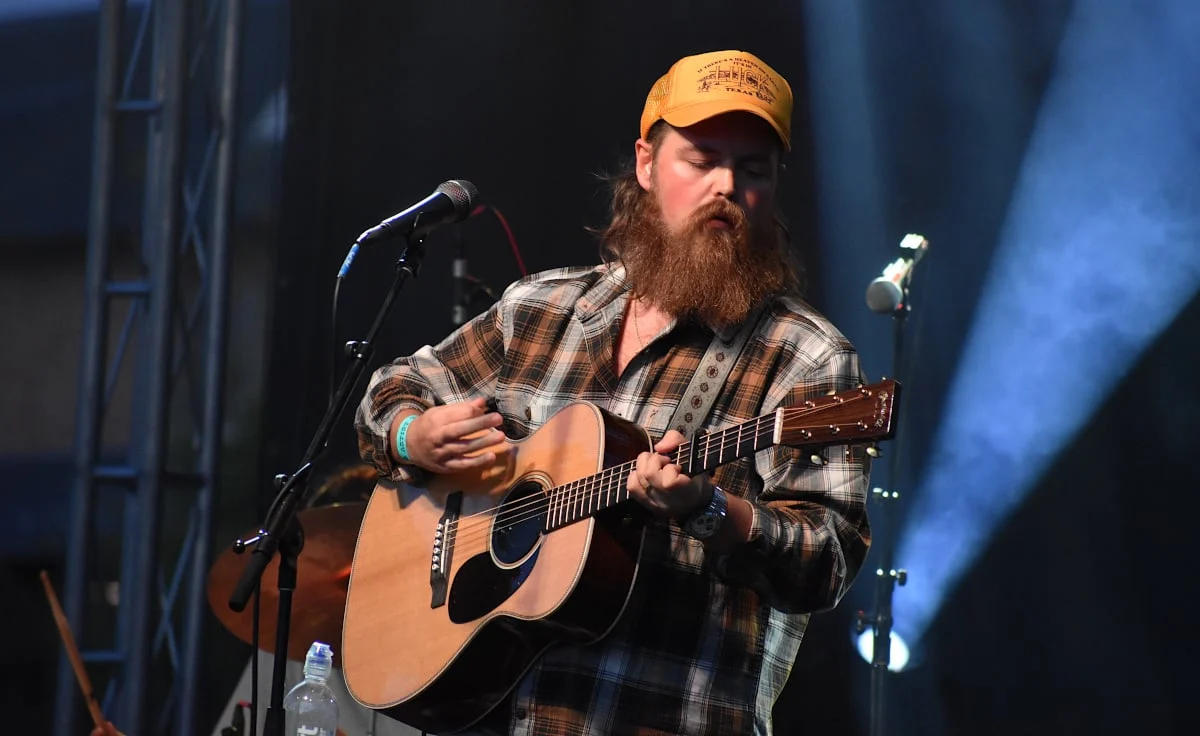
Drayton Farley’s latest studio offering, A Heavy Duty Heart, represents a significant milestone in the artist’s trajectory, moving away from the stark, solitary vulnerability of his early work toward a more robust, country-rock-infused exploration of adulthood and professional stability. Released on April 10, 2026, the album marks Farley’s second major collaboration with producer and guitarist Sadler Vaden, known for his work with Jason Isbell and the 400 Unit. The record arrives at a pivotal moment for Farley, who has successfully transitioned from an aspiring songwriter in the shadows of the Alabama factory circuit to a recognized voice within the Americana genre, bolstered by high-profile television placements and a growing international following.
The Evolution of an Alabama Songwriter
To understand the weight of A Heavy Duty Heart, one must look at the path Drayton Farley has carved over the last several years. Hailing from Woodstock, Alabama, Farley’s early career was defined by the "blue-collar" aesthetic—not as a marketing gimmick, but as a lived reality. His initial recordings were characterized by a raw, acoustic minimalism that drew immediate comparisons to the early work of Jason Isbell and the late Justin Townes Earle.
Farley’s breakthrough began in earnest with his 2023 release, Twenty On High, which saw him stepping into a full-band sound for the first time. That record was also produced by Sadler Vaden and served as a proof of concept: Farley’s intimate songwriting could survive, and even thrive, when dressed in the expansive arrangements of Southern rock and Americana. In the intervening years between Twenty On High and A Heavy Duty Heart, Farley’s career was propelled by the "sync" economy—the placement of music in television and film. Specifically, his inclusion in the sprawling Taylor Sheridan television universe (Yellowstone and its various spin-offs) provided the financial and critical leverage necessary to pursue music as a full-time vocation, moving him away from the "cubicle farm" and factory floors he once frequented.
Production and Collaborative Synergy
The decision to reunite with Sadler Vaden for A Heavy Duty Heart underscores a "if it isn’t broken, don’t fix it" mentality, yet the production on this record feels more intentional and layered than their previous collaboration. Vaden, a Grammy-winning musician, brings a specific Nashville-meets-Muscle-Shoals sensibility to the project. The instrumentation is characterized by what critics often call a "clean" sound—one that avoids over-saturation and allows the lyrics to remain the focal point while providing a rhythmic drive suitable for larger venues.
The sonic palette of the album leans heavily into the 1970s singer-songwriter tradition, blended with modern country-rock. While Farley has often been labeled as "Americana"—a genre the Country Dewey Decimal System (DDS) classifies under code #570—this record pushes toward a more anthemic rock sound. The presence of steel guitar remains a tether to his country roots, particularly on tracks like the opener "Love We Mean," but the driving percussion and electric guitar swells on "I Need Your Love" suggest an artist looking toward the festival circuit and theater-sized audiences.

Lyrical Themes: The Burden of the Fulfilled Dream
Thematic consistency has always been Farley’s hallmark, but A Heavy Duty Heart introduces a new perspective: the reality of the "captured dream." In the album’s second track, "What You Gonna Do," Farley poses a poignant question to himself and his audience: “So what you gonna do when you catch that dream you’re chasing?”
This inquiry serves as the thesis for the album. Much of the Americana genre is built on the narrative of the struggle—the desire to escape, the pain of poverty, or the sting of heartbreak. Farley, however, finds himself in a position of relative success and domestic stability. He is a married man with children, a homeowner, and a professional musician whose bills are paid by "penny fractions" of streams and merchandise sales.
Instead of manufacturing false drama, Farley chooses to write about the specific anxieties of this new chapter. He explores the "heavy duty" nature of maintaining a life that one worked so hard to build. The struggles depicted here are those of the traveling musician: the guilt of being away from home, the pressure to remain creative under the gaze of an audience, and the realization that "making it" does not mean the end of labor, but rather the beginning of a different kind of work.
Analytical Breakdown of Key Tracks
The album is structured to balance traditional country elements with broader rock appeal.
- "Love We Mean": This track serves as a bridge from his previous work. The prominent steel guitar provides a sense of continuity for long-time fans, establishing a melancholic yet hopeful tone. It deals with the complexities of long-term commitment, moving past the "honeymoon phase" into the grit of real partnership.
- "What You Gonna Do": A standout anthemic moment, this song utilizes a driving tempo to mirror the momentum of a career in motion. It functions as a meta-commentary on the music industry itself, questioning the sustainability of ambition once the initial goals have been met.
- "Feel Like Getting High": Despite the title, the song is less about substance use and more about the desire for escapism amidst the mundane pressures of adulthood. It is perhaps the most "country" moment on the record, utilizing a traditional structure to deliver a modern sentiment.
- "I Need Your Love": This track highlights Vaden’s influence as a guitarist. The arrangement is thick and textured, leaning into the "heartland rock" sound popularized by artists like Tom Petty or Bruce Springsteen. It serves as the emotional anchor of the record’s second half.
The Economic Context of Modern Americana
Farley’s trajectory is a case study in the modern music industry’s middle class. While he is not "selling out arenas," he has achieved a level of "enviable" stability. In an era where streaming royalties are notoriously low, Farley’s success is attributed to a diversified revenue stream:
- Sync Licensing: His music’s presence in Taylor Sheridan’s franchises provided a massive influx of listeners and licensing fees.
- Touring: Consistent roadwork has built a loyal "cult" following that translates into high-margin merchandise sales.
- Physical Media: The release of A Heavy Duty Heart on vinyl caters to the Americana audience’s preference for tangible goods, a crucial factor in an artist’s bottom line.
This economic reality informs the songwriting. There is a sense of gratitude in the lyrics that is often missing from the "outlaw" or "sad bastard" subgenres of country music. Farley acknowledges that while the work is hard, it is a privilege compared to the manual labor of his past.
Industry Reaction and Broader Implications
Early critical reception for A Heavy Duty Heart has been overwhelmingly positive, with an average rating of 8.1/10 among specialized Americana outlets. Critics have praised Farley for his refusal to "play the part" of the tortured artist, instead opting for a refreshing honesty about his current state of mind.
The broader implication of Farley’s success—and this album in particular—is the validation of the "Isbell Model" of songwriting. This model prioritizes lyrical literacy, sobriety (both literal and metaphorical), and a blend of Southern rock and folk. Farley’s career demonstrates that there is a sustainable market for "grown-up" music—songs that grow older and wiser alongside their audience.
Furthermore, Farley’s continued collaboration with Sadler Vaden suggests a growing "Alabama Syndicate" within the Nashville scene, where artists from the Deep South are reclaiming the Americana narrative with a focus on authenticity and high production standards.
Conclusion: A Record of Perseverance
A Heavy Duty Heart is not an album of reinvention, but one of refinement. Drayton Farley has successfully navigated the transition from a "promising newcomer" to a "dependable veteran." By embracing the complexities of his own success and the domesticity of his current life, he has created a body of work that resonates with an audience facing similar transitions.
The album confirms that struggle is not a requirement for meaningful art. Instead, Farley posits that the act of maintaining—holding onto love, career, and self—is a heavy-duty task worthy of its own soundtrack. As the Americana landscape continues to evolve, Farley stands as a representative of the genre’s durability, proving that honest songwriting can indeed provide a path away from the factory and toward a lasting legacy.