 rifanmuazin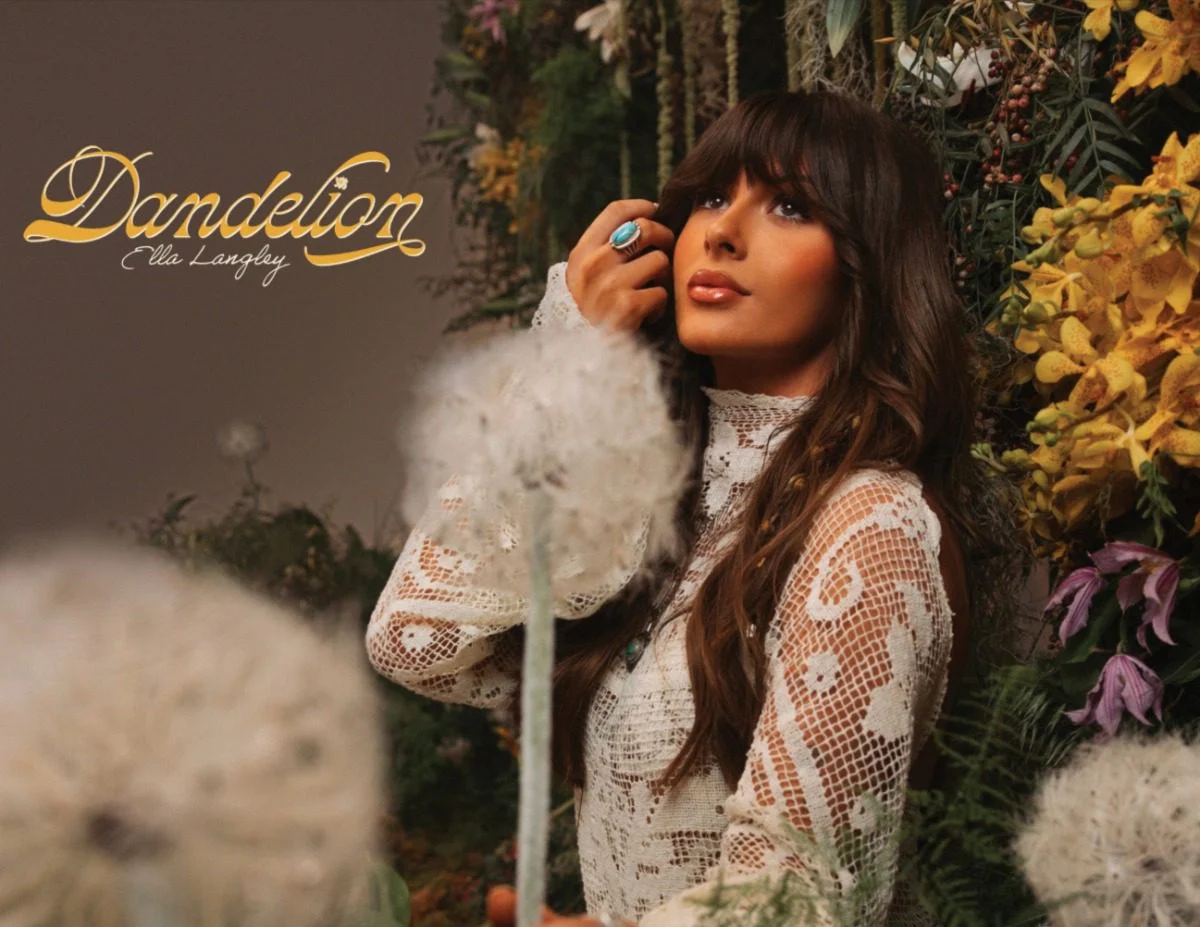
Ella Langley has officially released her sophomore studio album, Dandelion, marking a pivotal moment in the rising star’s career as she balances contemporary commercial success with a deep-seated reverence for country music’s historical roots. Executive produced by multi-award-winning country superstar Miranda Lambert, the project serves as a definitive statement of Langley’s artistic evolution. Among the original compositions on the record, Langley has included a studio rendition of the 1952 classic "It Wasn’t God Who Made Honky Tonk Angels," a track that not only pays homage to the pioneers of the genre but also underscores Langley’s current position as a record-breaking figure in the modern music landscape.
The release of Dandelion follows a period of unprecedented chart dominance for Langley. In recent months, the artist has achieved statistical milestones that place her among the most successful female vocalists in the history of the genre. Langley recently became only the seventh woman in history to top the all-genre Billboard Hot 100, an achievement that highlights the growing crossover appeal of modern country music. Furthermore, she secured a historic "triple crown" on the Billboard charts, becoming the first woman to simultaneously hold the number-one position on the Hot Country Songs, Country Airplay, and the Hot 100 charts. This momentum was further solidified when her single "Choosin’ Texas" spent four consecutive weeks at the top of the Hot 100, surpassing a longevity record previously held by Taylor Swift for a female country artist.
The Historical Significance of the Honky Tonk Anthem
The inclusion of "It Wasn’t God Who Made Honky Tonk Angels" on Langley’s sophomore effort is a calculated nod to the lineage of female defiance in country music. Originally recorded by Kitty Wells in 1952, the song is widely regarded as one of the most important recordings in the history of American music. Written by J.D. Miller, the track was the first Billboard country hit by a solo female artist, effectively shattering the "glass ceiling" of the Nashville establishment during an era when the industry was almost exclusively dominated by male performers.
At the time of its original release, the song was considered controversial due to its suggestive themes and its direct challenge to the prevailing social narratives regarding gender and morality. Wells, who would eventually be known as the "Queen of Country Music," was initially hesitant to record the material. Historical accounts suggest that her primary motivation for moving forward with the session was the standard union recording fee, as she did not anticipate the song would become a cultural phenomenon. However, the track’s resonance with female listeners was immediate, propelling Wells to superstardom and opening the door for future generations of women in the genre.
The "Answer Song" Phenomenon and Social Commentary
To understand the weight of Langley’s cover, one must examine the 1950s "answer song" trend that birthed the original recording. "It Wasn’t God Who Made Honky Tonk Angels" was written as a direct rebuttal to Hank Thompson’s 1952 hit, "The Wild Side of Life." In Thompson’s song, the narrator laments being abandoned by a woman who chose the "wild life" of bars and honky tonks over domestic stability, famously singing: "I didn’t know God made honky tonk angels / I might have known you’d never make a wife."
The response penned by Miller and delivered by Wells flipped this narrative, placing the blame for broken homes and "wayward" women squarely on the shoulders of unfaithful men. The chorus serves as a searing critique of the double standards of the era: "It wasn’t God who made honky-tonk angels / As you said in the words of your song / Too many times married men think they’re still single / That has caused many a good girl to go wrong."
By reintroducing this message to a 21st-century audience, Langley highlights the timeless nature of these themes. While the social context of 2026 differs significantly from 1952, the core sentiment of female autonomy and the rejection of unfair labels remains a cornerstone of the country music tradition.
A Legacy of Excellence: From Wells to the "Trio"
Langley’s studio version of the song follows a long tradition of covers by the genre’s most influential voices. In 1993, the song served as the title track for a landmark collaborative album featuring Dolly Parton, Loretta Lynn, and Tammy Wynette. This project, often referred to as the "Honky Tonk Angels" trio, represented a rare moment where three titans of the industry united to honor their predecessor, Kitty Wells, who also made a guest appearance on the track.
The 1993 collaboration was spearheaded by Dolly Parton, who had long been a champion of Wells’ legacy. Parton’s personal history with the song dates back even further to 1963, when she recorded a solo version for her tribute album, Hits Made Famous By Country Queens. At only 17 years old, Parton’s early rendition showcased her budding vocal prowess and her commitment to the "Country Queen" lineage established by Wells and Patsy Cline.
The 1993 project ultimately produced the Grammy-nominated single "Silver Threads and Golden Needles" and solidified the song’s status as the unofficial anthem of women in country music. Langley’s decision to include the song on Dandelion places her in direct conversation with these icons, signaling her intent to carry the torch for the next generation.
Executive Production and the Mentorship of Miranda Lambert
The artistic direction of Dandelion was heavily influenced by the executive production of Miranda Lambert. Lambert, who has spent the last two decades as a leading figure in country music, is known for her "outlaw" sensibilities and her support of younger female artists. The partnership between Lambert and Langley is viewed by industry analysts as a strategic alignment of two generations of country music rebels.
Lambert’s influence is evident in the album’s sonic landscape, which favors traditional instrumentation—such as steel guitar and fiddle—while maintaining the crisp production standards required for modern radio and streaming platforms. Critics have noted that Langley’s delivery on "It Wasn’t God Who Made Honky Tonk Angels" captures the "unapologetic sass" of the original while infusing it with a contemporary grit that is characteristic of her own style.
The collaboration also reflects a broader trend in Nashville where established veterans take an active role in shaping the careers of rising stars through executive production and songwriting partnerships. This mentorship model ensures that the historical foundations of the genre are preserved even as the sound evolves to meet the tastes of a younger demographic.
Market Implications and the Future of the Genre
Langley’s success comes at a time when country music is experiencing a significant resurgence on the global stage. The genre’s expansion onto the Billboard Hot 100 and its dominance on streaming services like Spotify and Apple Music have been driven by artists who can bridge the gap between traditional storytelling and modern pop sensibilities.
By achieving 4+ weeks at the top of the Hot 100, Langley has proven that there is a massive market appetite for authentic, female-led country narratives. Her ability to "dethrone" Taylor Swift—a global icon with deep roots in country—suggests a shifting of the guard and a renewed interest in the "honky tonk" sound.
Industry analysts suggest that Dandelion will likely be a strong contender for major awards in the upcoming cycle, including the CMA and ACM Awards. The inclusion of a historical cover like "Honky Tonk Angels" also appeals to the "traditionalist" voting bloc within these organizations, potentially smoothing Langley’s path toward "Female Vocalist of the Year" honors.
Conclusion: The Enduring Power of the Honky Tonk Angel
As Ella Langley continues her ascent to the top of the music industry, her commitment to the history of country music remains a defining feature of her brand. Dandelion is more than just a collection of songs; it is a bridge between the past and the present. From Kitty Wells’ groundbreaking 1952 recording to the "Trio" of the 1990s, and now to Langley’s record-breaking run in 2026, "It Wasn’t God Who Made Honky Tonk Angels" remains a vital piece of the American musical canon.
By paying tribute to the women who carved the path before her, Langley reinforces the idea that true success in country music requires both innovation and respect for tradition. With the guidance of Miranda Lambert and the support of a growing global fanbase, Ella Langley is well-positioned to remain a dominant force in the industry, proving that the spirit of the "honky tonk angel" is as powerful today as it was seventy years ago.
Dandelion Tracklist and Credits
The sophomore album features a diverse range of tracks that showcase Langley’s vocal range and songwriting ability. Below is the official tracklist for the project:
- Dandelion (Title Track)
- Choosin’ Texas (Lead Single)
- It Wasn’t God Who Made Honky Tonk Angels (Kitty Wells Cover)
- [Additional tracks as specified in the official release]
The album is now available on all major streaming platforms and in physical formats, marking a significant milestone in the 2026 country music calendar.