 rifanmuazin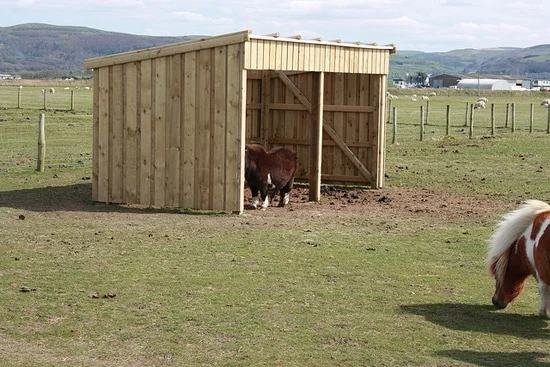
Equine welfare guidelines have long prioritized food, water, and basic medical care, yet the necessity of environmental protection for horses on summer pasture has remained a subject of debate among owners and regulatory bodies. To address this gap in scientific literature, a team of researchers from the Swedish University of Agricultural Sciences in Uppsala recently conducted a comprehensive study to determine how horses utilize field shelters and which structural features are most critical to their well-being. Led by Kristina Dahlborn, Elke Hartmann, Richard Hopkins, and Claudia von Brömssen, the study aimed to provide science-based evidence that could inform future welfare standards and offer practical advice to horse owners regarding the management of horses kept outdoors during the warmer months.
The impetus for the research stemmed from a notable omission in many European welfare guidelines, which often mandate shelters for winter conditions but remain vague or silent regarding the summer season. While it is commonly understood that horses require protection from extreme cold and wind, the impact of solar radiation, high temperatures, and insect harassment is frequently underestimated. By observing the choices made by horses when presented with different shelter configurations, the Uppsala team sought to understand the "horse’s perspective" on environmental protection.
Experimental Design and Architectural Parameters
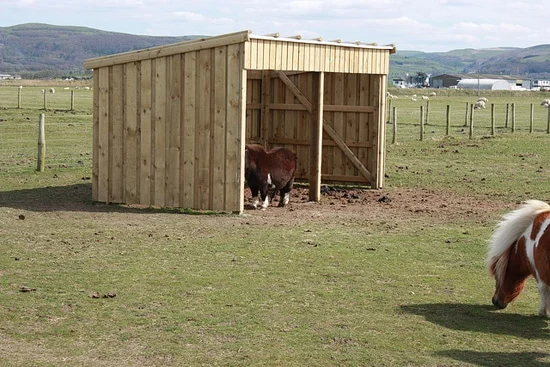
The researchers developed a controlled environment to test specific variables of shelter design. They constructed three distinct types of shelters, each measuring 4 meters by 4 meters (approximately 13 feet by 13 feet). This 16-square-meter footprint created a square-shaped quadrilateral space, providing ample room for a single horse to stand or lie down comfortably. The area of 169 square feet per shelter was calculated to ensure that the physical space was consistent across all test groups, isolating the structural design as the primary variable.

The three designs were categorized as follows:
- Shelter A: A traditional three-sided structure featuring a full roof and three solid walls.
- Shelter B: A modified structure with a roof, but with only the upper half of the rear wall closed, allowing for increased ventilation while still providing overhead cover.
- Shelter C: A structure featuring three solid walls but no roof, designed specifically to test whether the overhead canopy was the primary feature sought by the animals.
The study utilized eight Warmblood horses as subjects. In the equine world, Warmbloods represent a middle-weight category, distinct from the heavy "cold-blooded" draft breeds and the refined, high-energy "hot-blooded" breeds like Thoroughbreds and Arabians. Warmbloods are the mainstay of modern equestrian sports, known for their athleticism and generally stable temperaments. Each horse underwent a rigorous familiarization period to ensure they were comfortable with the test paddocks and the structures before data collection began. This phase was critical to eliminate "neophobia"—the fear of new things—which could have skewed the results if the horses avoided the shelters simply because they were unfamiliar.
Methodology and Chronology of the Study
The experiment was structured over a series of 24-hour cycles. Each horse was placed individually in a turnout paddock for two days, totaling 48 hours of observation per subject. During these sessions, the horses were given access to different combinations of shelters: either a choice between Shelter A and Shelter B, or a choice between Shelter A and Shelter C. This "forced choice" or "preference test" model is a standard in animal behavior science to determine the relative value an animal places on specific resources.
To capture a high-resolution map of the horses’ behaviors, the researchers employed a technique known as scan sampling. Every five minutes throughout the daylight hours, the team recorded the horse’s location and specific "insect defensive behaviors." By conducting 12 scans per hour, the researchers were able to collect a vast dataset. Assuming a standard 14-hour daylight period, each horse was observed and recorded 168 times per day. These observations included tail swishing, skin twitching (the use of the panniculus carnosus muscle), head tossing, and stamping—all classic indicators of equine discomfort caused by biting flies and other pests.

Nighttime observations were also recorded continuously. This was essential to determine if shelter use was primarily driven by daytime environmental factors, such as sun and insects, or if there were underlying needs for security or rest that manifested during the dark hours.
Analysis of Findings and Behavioral Observations
The results of the study were definitive. Seven out of the eight horses (87.5%) utilized the shelters frequently. On average, the horses were observed inside a shelter during 35.4% of the daytime observations. Conversely, this meant the horses spent 64.6% of their daylight hours in the open pasture, indicating that while shelters are important, horses still prioritize grazing and movement when conditions allow.
The most striking finding was the horses’ overwhelming preference for a roof. When given the choice between Shelter A (roofed and three-sided) and Shelter C (walled but roofless), Shelter C was almost entirely ignored. This suggests that for a horse, the primary value of a shelter in the summer is not just a windbreak or a visual barrier, but protection from vertical elements—specifically solar radiation and perhaps descending insects.
Interestingly, the data showed that the duration of shelter use did not fluctuate significantly between day and night. The horses spent an average of 100.8 minutes inside the shelters during the day and 105.8 minutes during the night. The slim five-minute difference indicates that the motivation for seeking shelter changes as the sun sets. While daytime use was heavily correlated with the presence of insects and heat, nighttime use appeared to be linked to a sense of security and rest.

The Role of Insect Harassment and Thermoregulation
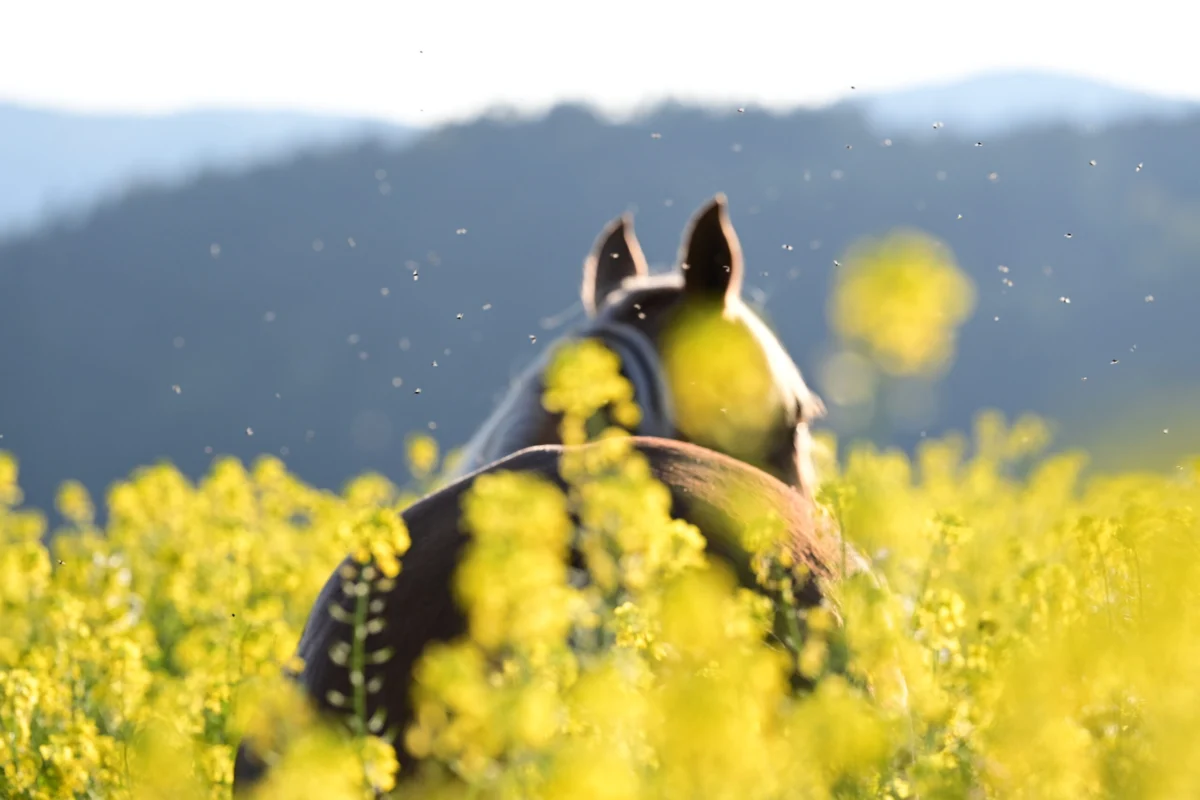
The study confirmed a direct correlation between shelter use and a reduction in insect defensive behaviors. The probability of a horse performing tail swishes or skin twitches was at its lowest when the horse was inside Shelter A. Insects such as tabanids (horse flies) and stable flies are typically visual hunters that prefer bright sunlight. By moving into the shaded, darker interior of a three-sided shelter, horses effectively "camouflage" themselves from these pests.
Furthermore, the researchers noted that in free-ranging conditions, horses often seek high ground or areas with high wind velocity to escape insects. In a confined paddock where such natural topographical features may not exist, a man-made shelter becomes the primary tool for pest management.
The thermal benefits were also evident. During the peak of summer, the internal temperature of a horse can rise quickly due to the fermentation process in their large colon (which generates significant internal heat) combined with external solar loading. A roofed shelter provides a "thermal sink," allowing the horse to shed heat more effectively by avoiding the direct radiant energy of the sun.
Nighttime Shelter Use and the Security Hypothesis
One of the more unexpected insights was the high frequency of shelter use during the night. Because insects are generally less active in the cooler night temperatures and there is no solar radiation to avoid, the researchers had to look for other explanations. They proposed a security-seeking hypothesis.

In the wild, horses are prey animals. Many domestic horses, particularly those accustomed to being stabled at night, may feel more vulnerable in large, open spaces during the hours of darkness. The study observed that lying down behavior—the state in which a horse is most vulnerable—occurred almost exclusively inside the shelters during the night. This suggests that the structure provides a psychological "safe zone" that allows the horse to enter deep REM sleep, which is only possible when the horse feels secure enough to lie down fully.
Implications for Equine Management and Welfare
The findings from the Swedish University of Agricultural Sciences have significant implications for horse owners, stable managers, and policymakers. The research provides a clear, science-based mandate: field shelters are not merely a luxury for winter, but a vital component of summer welfare.
Key takeaways for the equestrian community include:
- Roofs are Essential: A shelter without a roof provides almost no perceived value to a horse during the summer. Owners looking to save on costs should prioritize a solid roof over complex wall configurations.
- Ventilation Matters: The lack of a significant difference in use between Shelter A and Shelter B suggests that horses are comfortable with partial walls, which can help with airflow in humid climates.
- Behavioral Monitoring: Owners should observe their horses for signs of "shelter seeking." If a horse is constantly standing in a corner or near a gate during the day, it is likely experiencing heat or insect stress and requires a structure.
- Security and Rest: Providing a shelter can improve the quality of a horse’s rest. A horse that feels safe enough to lie down in a shelter at night will be more alert and physically capable during the day.
Conclusion and Future Directions
The Uppsala study serves as a foundational piece of evidence in the push for more nuanced equine welfare standards. By quantifying the area, duration, and specific behaviors associated with shelter use, the researchers have moved the conversation from anecdotal observation to empirical data.

However, the team acknowledged that more work remains. Future research is needed to determine how group dynamics affect shelter use. Horses are highly social animals with strict hierarchies; a single shelter that is adequate for one horse may be insufficient for a group if a dominant "alpha" prevents subordinate horses from entering. Additionally, the impact of different building materials on internal shelter temperature remains an area for further investigation.
For now, the message to the "budding equine scientist" at the local barn is clear: observing how a horse interacts with its environment is the first step in ensuring its health and happiness. Whether it is a 169-square-foot square shelter or a natural grove of trees, providing a place for horses to escape the elements is a fundamental aspect of responsible horsemanship.